In Depth
The name Deopahar is commonly understood as meaning 'hill of the gods'. The hill and its surrounding area have been associated with several local traditions and historical interpretations. Some traditions connect the hill with the ancient kingdom of Jarasandha mentioned in the Mahabharata, while other accounts associate the site with an old Shiva temple and later religious development. These traditions form an important part of the cultural identity of Deopahar, although the precise early history of the site remains a subject of historical interpretation.
Location and Natural Surroundings
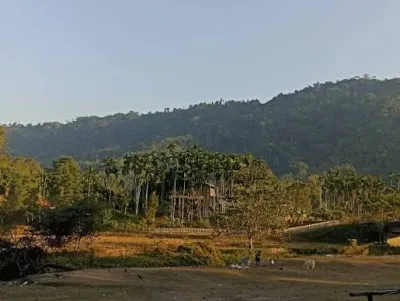
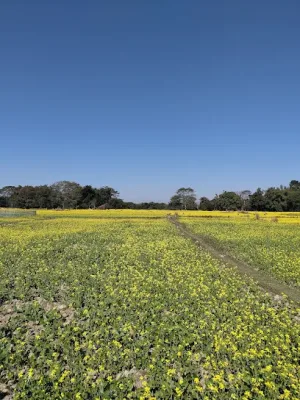
Deopahar is situated near Numaligarh, close to the Deopani Reserve Forest and the highway connecting the Golaghat region with Kaziranga and other parts of Upper Assam. The elevated location provides views of the surrounding greenery, tea-growing areas and distant hills. The combination of forest, hill terrain and archaeological remains gives the destination a distinctive character compared with conventional tourist attractions.
History of Deopahar
The surviving stone architecture at Deopahar is generally attributed in the supplied references to approximately the 10th and 11th centuries CE. The artistic style of the temple remains has been associated with late Gupta influences and the wider architectural traditions that developed in ancient Assam.
The original structure is believed to have been dedicated to Lord Shiva. Over time, the temple appears to have suffered damage and eventually became a ruined archaeological site. The devastating Assam earthquake of 1897 is often associated with the destruction or severe damage of the remaining hilltop structure. What can be seen today is therefore largely a collection of stone remains, foundations, sculptures and architectural elements rather than a complete temple.
Local historical traditions also connect Deopahar with the Ahom period. One account refers to an attempt during the reign of Suhungmung in the early sixteenth century to establish a military fort on the hill. According to the traditional story, the attempt was abandoned after the soldiers encountered a mysterious apparition. Such stories are part of the folklore surrounding Deopahar and add to the cultural interest of the site.
The area was later brought to wider attention during the colonial period, when archaeological remains were noticed amid the forest and surrounding tea-growing landscape. Subsequent archaeological interest led to the preservation and study of the stone remains.
Ancient Temple Ruins and Architecture
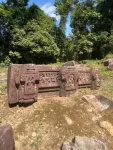
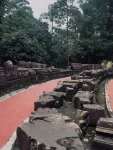
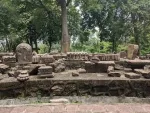
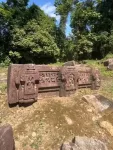
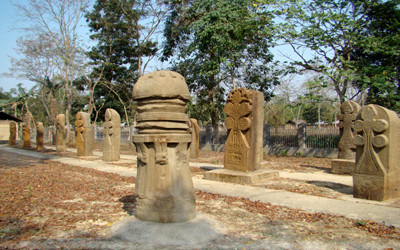
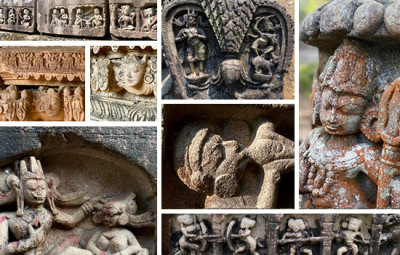
The most significant attraction at Deopahar is the collection of ancient stone remains on the hill. Visitors can see carved architectural blocks and sculptures that provide an insight into the craftsmanship of early Assam.
The stone carvings include representations of deities, animals, floral designs and other decorative motifs. One of the most notable features is a large stone slab bearing an elaborate lotus carving. These surviving elements help demonstrate the artistic quality and religious symbolism associated with the original temple.
The temple is sometimes described as unfinished, while other accounts suggest that it was substantially damaged by natural events. The present remains should therefore be viewed as archaeological evidence rather than as a complete ancient temple.
Archaeological Park and Site Museum
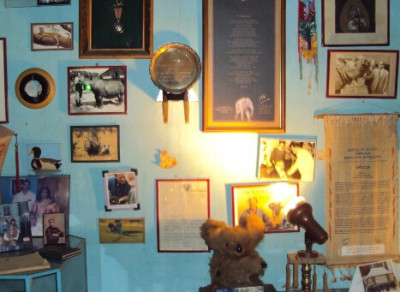
Deopahar is maintained as a protected archaeological area under the Directorate of Archaeology, Government of Assam. A site museum forms an important part of the attraction and provides an opportunity to learn more about archaeological discoveries from the region.
The museum and preserved remains together help visitors understand the architectural, religious and historical significance of Deopahar. Depending on operating arrangements, museum access may have different timings from the outdoor archaeological area, so visitors should confirm local opening information before planning their visit.
Baba Than and the Shiva Tradition
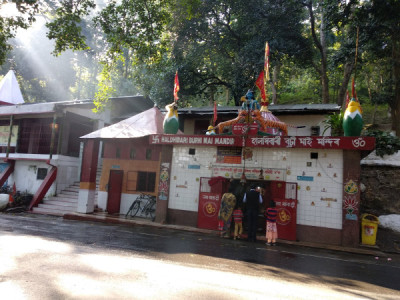
The religious history of Deopahar is also connected with the worship of Lord Shiva. Local traditions state that the original Shiva Linga associated with the hilltop shrine was later moved to a nearby place of worship known as Baba Than. This tradition has contributed to the continuing religious significance attached to the area.
Deopahar and Local Legends
Several legends have developed around Deopahar over generations. Apart from the traditions concerning Jarasandha and the Ahom period, stories about the hill's sacred character and its association with divine beings have helped preserve its cultural importance among local communities.
These legends should be understood as part of local tradition rather than as established archaeological facts. The combination of folklore and physical archaeological remains is one of the reasons Deopahar remains an interesting destination for visitors interested in Assam's heritage.
What to See at Deopahar?
The ancient stone temple remains are the primary attraction. Visitors can explore the carved stones, sculptures, temple foundations and decorative architectural fragments preserved across the hilltop area.
The large lotus-carved stone slab is particularly notable for photography and architectural observation. The surrounding forested landscape and elevated viewpoints also make the site suitable for nature photography.
The archaeological site museum provides additional context about the artefacts and history of the area. Visitors interested in Assam's ancient temples, archaeology and early regional art can combine the museum visit with a walk around the hill.
Best Time to Visit
October to April is generally a comfortable period to explore Deopahar because the weather in Assam is comparatively pleasant and suitable for walking around the hill. Winter and the early spring months are particularly convenient for outdoor sightseeing.
The hill can become more difficult to explore during periods of heavy rain because of wet surfaces and slippery steps. Comfortable walking shoes are recommended regardless of the season.
How to Reach Deopahar from Guwahati?
By Road: Deopahar is located near Numaligarh in Golaghat district and can be reached by road from Guwahati. The journey from Guwahati is roughly 250-260 km depending on the route and normally requires several hours by car. Travellers can follow the major highway routes towards Numaligarh and then continue to the archaeological site.
By Rail: Furkating Junction is one of the nearest important railway stations. From Furkating, visitors can hire a taxi or use local road transport to reach Numaligarh and Deopahar.
By Air: Jorhat Airport is the nearest major airport mentioned in the supplied references. Visitors arriving by air can hire a private taxi or use road transport towards Numaligarh.
Deopahar is also relatively close to the Kaziranga region, making it possible for travellers exploring Golaghat and Kaziranga to include the archaeological site in a wider Assam itinerary.
Where to Stay?
Visitors can stay in and around Numaligarh, Golaghat or along the route towards Bokakhat and Kaziranga. Numaligarh and nearby areas have basic accommodation options, while a wider selection of hotels, lodges and resorts is available around Golaghat and the Kaziranga tourism belt.
For visitors who want to stay close to the archaeological site, accommodation around Numaligarh and the refinery township can be considered. Those planning a longer sightseeing trip may prefer staying in Golaghat or the Kaziranga area and visiting Deopahar as part of a day excursion.
Visitor Tips
Deopahar involves walking and climbing on a hillock, so comfortable footwear is recommended. Carry drinking water, particularly during warmer months. Visitors should avoid touching, climbing on or removing any archaeological objects or carved stones. Since the site is surrounded by vegetation, insect repellent can also be useful.
Visitors should also follow instructions displayed at the archaeological park and museum and help keep the heritage area clean. The ruins are fragile archaeological remains, and responsible tourism is important for their long-term preservation.
Why Visit Deopahar?
Deopahar offers a combination of ancient architecture, archaeology, folklore and natural scenery. Its stone sculptures and temple remains provide a glimpse into the artistic traditions of ancient Assam, while the surrounding forested hill creates a peaceful setting for exploration.
For travellers interested in historical places in Assam, ancient temples, Ahom history and archaeological heritage, Deopahar is an important destination to include while exploring Golaghat and the Numaligarh region. Its location near major road routes also makes it a practical heritage stop for travellers visiting the wider Kaziranga and Upper Assam area.
FAQs About Deopahar Archaeological Site
Q1. Where is Deopahar Archaeological Site located?
Deopahar Archaeological Site is located near Numaligarh in Golaghat district of Assam, on a forested hillock known as Deopahar or Deoparvat.
Q2. What is Deopahar famous for?
Deopahar is famous for its ancient stone temple ruins, detailed sculptures, carved architectural pieces, archaeological remains and scenic forested surroundings.
Q3. How old is the Deopahar temple?
The supplied references generally place the surviving temple remains around the 10th and 11th centuries CE. Some other descriptions give earlier dates, so the precise dating should be treated with caution.
Q4. What type of temple was built at Deopahar?
The remains are traditionally associated with a Shiva temple. Local traditions also connect the site with an ancient religious centre and later developments in the area's religious history.
Q5. What can visitors see at Deopahar?
Visitors can see ancient stone temple remains, sculptures of deities and animals, floral carvings, architectural fragments, a large lotus-carved stone slab and a site museum containing archaeological material.
Q6. Is Deopahar connected with the Ahom period?
Yes. Local historical traditions connect Deopahar with the Ahom period, including an account of an attempted fort construction during the reign of King Suhungmung. This account is part of the site's historical tradition.
Q7. How far is Deopahar from Golaghat?
Deopahar is approximately 32 km from Golaghat town according to the supplied travel information. The exact road distance may vary depending on the starting point and route.
Q8. How can I reach Deopahar from Guwahati?
Deopahar can be reached by road from Guwahati through the major highway network towards Numaligarh and Golaghat. Travellers can also reach the region by train through Furkating Junction or by air via Jorhat Airport and continue by road.
Q9. What is the best time to visit Deopahar?
October to April is generally a suitable period for visiting Deopahar because the weather is more comfortable for walking and exploring the archaeological site.
Q10. Is Deopahar worth visiting?
Deopahar is an important destination for visitors interested in Assam's archaeology, ancient architecture, history and local traditions. Its combination of stone ruins, sculptures, forested surroundings and a site museum makes it a distinctive heritage attraction in Golaghat.