In Depth
Ahom King Jayadhwaj Singh greatly respected Shri Banamali Dev. King Jayadhwaj Singh allotted land to Shri Banamali Dev on the southern bank of the Lohit River, and the construction of this satra took place under royal supervision. During the reigns of Chakradhwaj Singh, Udayaditya Singh, and Ratnadhwaj Singh, the prestige and prosperity of this satra increased further.
The Dakhinpat Satra is located near the southern bank of the majestic Brahmaputra River. The complex is spread across a large green landscape divided into the core monastic zone and the surrounding natural buffer zone. The buffer area is rich in wetlands, pastures, bamboo groves, and seasonal forests, making the environment calm and refreshing for visitors. This natural setting also attracts migratory birds, making Dakhinpat Satra a peaceful escape for nature lovers.
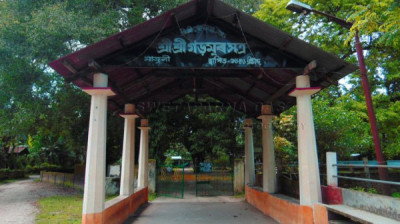
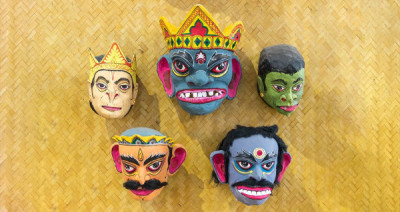
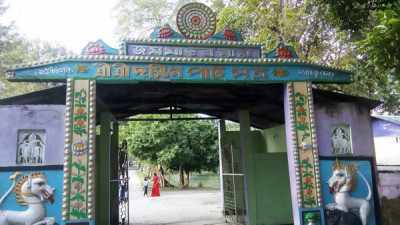
Inside the main complex, visitors will find the Namghar (prayer hall), the historic Batkora (entrance gate), the Hati (monks’ residential quarters), traditional storehouses, a museum, open courtyards, ponds, and green areas maintained by the satra. The Namghar houses the main idol of Lord Jadav Rai, and the monastery preserves hundreds of rare manuscripts, Sanchi-pat scriptures, Ahom-era artifacts, ancient masks, sculptures, and items used in traditional Sankari performances.
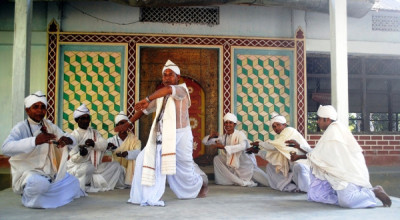
Dakhinpat Satra is especially famous for its annual Raas Leela festival, celebrated with extraordinary devotion and cultural richness. The three-day celebration draws thousands of devotees and tourists, who come to witness Bhaona, classical Sankari performances, and dramatic reenactments of the life of Lord Krishna. Other major festivals include Holi (Falgutsav), Janmashtami, Bihu celebrations, and Brahmaputra Puja, which takes place once every twelve years.
How to Reach Dakhinpat Satra
To visit Dakhinpat Satra, travelers must first arrive in Jorhat town in Assam. From Jorhat's Nimatighat, regular ferries operate to Majuli Island. After reaching Kamalabari Ghat, local taxis, auto-rickshaws, and shared vehicles are available to reach Dakhinpat Satra, which is well connected by island roads.
Best Time to Visit Dakhinpat Satra
The ideal time to explore Dakhinpat Satra is October to April, when the weather is comfortable and the island is free from monsoon flooding. Visiting during Raas Leela (November) offers a deeper cultural experience.
Where to Stay at Dakhinpat Satra
Dakhinpat Satra has a guest house, so it is possible for guests to stay there, but there are no other tourist amenities like a washroom or guide.
Majuli offers several eco-resorts, bamboo cottages, homestays, and budget lodges around Kamalabari, Garamur, and Dakhinpat areas. Most accommodations provide local food, cultural experiences, and easy travel options to the satra.
Dakhinpat Satra is not just a religious center – it is a living museum of Assamese culture. The satra's peaceful ambience, artistic heritage, and historic significance make it a must-visit destination for anyone exploring Majuli Island.
Quick Info Table on Dakhinpat Satra
| Topic | Details |
|---|---|
| Location | Majuli Island, Assam |
| Founded By | Banamali Dev Goswami (1654) |
| Main Deity | Lord Jadav Rai |
| Sect | Brahmasamhati (Neo-Vaishnavite) |
| Famous For | Raas Leela, manuscripts, Sankari culture |
| Best Time to Visit | October – April |
| Nearest Ferry Point | Nimatighat to Kamalabari Ghat |
| Nearest Town | Jorhat |
| Where to Stay | Homestays, eco-resorts, bamboo cottages in Majuli |
| Entry Fee | Free |
FAQs on Dakhinpat Satra
Visitors can explore the Namghar, museum, traditional art forms, manuscripts, festivals, and scenic surroundings.