In Depth
Away from the busier tourist locations, Chakoli Beel offers an opportunity to experience Majuli's wetlands, open landscapes and traditional village surroundings.
Birdwatching and Wildlife at Chakoli Beel
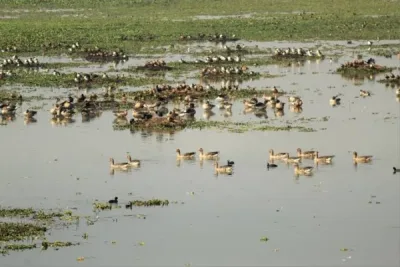
One of the main attractions of Chakoli Beel is its birdlife, particularly during the winter season. Between November and March, migratory waterbirds arrive at wetlands across Majuli, joining the resident bird population. Depending on seasonal conditions, visitors may spot pelicans, herons, egrets, storks, wild geese, whistling ducks, cranes and other waterbirds.
Species reported in the wider wetland region include Greater Adjutant Storks, Black-necked Storks, Asian Openbills, Lesser Adjutants, Greylag Geese, Northern Pintails, Northern Shovelers, Ferruginous Pochards, lapwings, plovers and sandpipers. Eagles and falcons may also be seen searching for food around open water and marshland.
Bird sightings vary with water levels, weather and seasonal migration. Visitors interested in recording species can refer to the Sakuli Beel hotspot on eBird for birdwatching observations and checklists.
Natural Beauty and Local Lifestyle
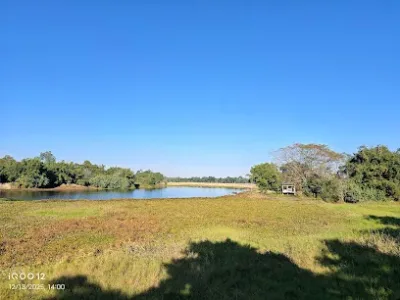
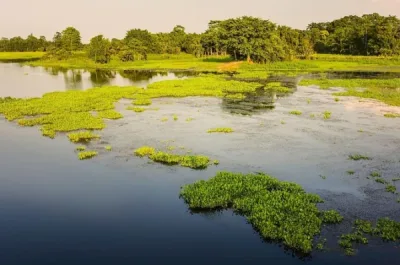
Chakoli Beel is also a peaceful place to appreciate Majuli's riverine landscape. The combination of open water, marsh vegetation, surrounding fields and village scenery creates attractive views, especially during early morning and late afternoon. Photography enthusiasts can enjoy the changing light over the wetland while observing birds in their natural surroundings.
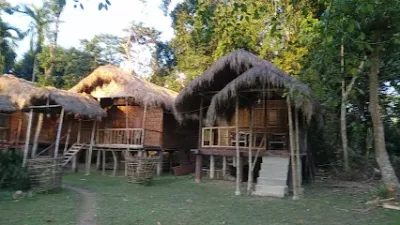
Fishing is an important activity around many wetlands of Majuli. Communities such as the Mishing and Koibartta people depend on these water bodies for fishing and other local resources. A visit to the area can therefore offer a glimpse of the island's traditional rural lifestyle alongside its natural environment.
Ecological Importance of the Wetland
Wetlands such as Chakoli Beel contribute to Majuli's biodiversity by providing feeding and resting grounds for birds and supporting aquatic life. However, changing river channels, sediment deposits and siltation can affect these habitats. Protecting the wetlands is important for maintaining the ecological balance of the island and preserving its birdlife for future generations.
Best Time to Visit Chakoli Beel
November to March is generally the most suitable period for visiting Chakoli Beel, particularly for migratory birdwatching. Early mornings are recommended for observing bird activity and enjoying the peaceful surroundings. During the monsoon season, high water levels and changing river conditions can make access more difficult.
How to Reach Chakoli Beel
Travel to Jorhat by air, train or road and proceed to Nimati Ghat. From there, take a ferry to Kamalabari or Afalamukh Ghat on Majuli. After reaching the island, hire a local taxi, auto-rickshaw or two-wheeler towards Chakuli Pathar and the Sakuli Beel area (PIN 785106). Visitors should check current ferry schedules and local road conditions before travelling.
Restaurants Near Chakoli Beel
Visitors can explore nearby dining options around Kamalabari and Garamur.
1. Snazzy Bite Cafe & Restro
Address: Kamalabari Chariali, Assam 785106
Phone: +91 6002783065
2. Kaching Restaurant Majuli
Address: NLK Road, Doria Gaon, Assam 785104
Phone: +91 9101030143
3. Joha Restaurant
Address: NLK Road, Garamur, Majuli, Assam 785104
Phone: +91 7002577429