In Depth
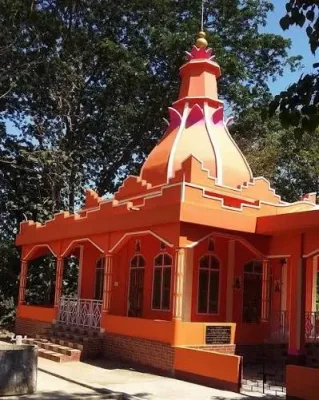
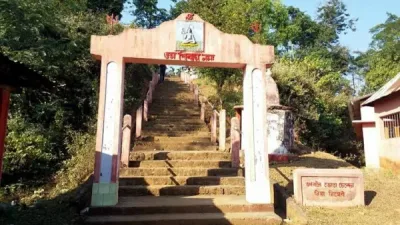
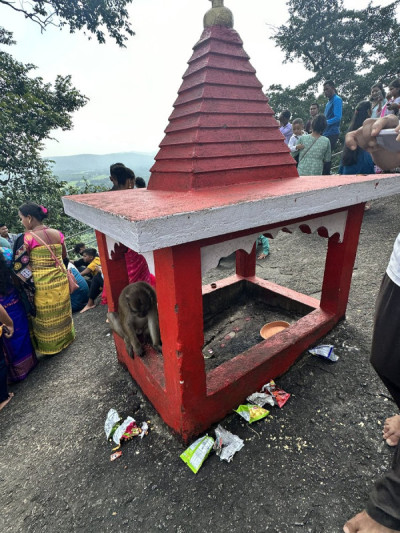
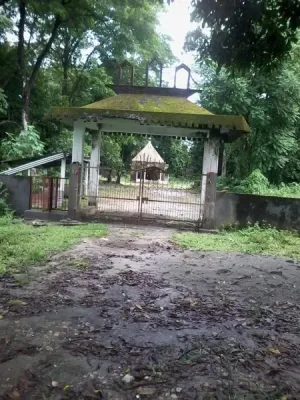
The name Buraburi Than refers to an old man and an old woman. According to local folklore, cowherds, locally known as rakhals, once regularly received payas, a sweet preparation made from rice cooked in milk, as prasad at this location. The food was traditionally believed to have been offered by an elderly couple known as Bura and Buri. Local tradition further says that the couple eventually transformed into stones, which remain the central objects of reverence at the site.
The two sacred stones are associated with blessings of happiness, peace and prosperity. In local belief, Bura is connected with Lord Shiva and Buri with Goddess Parvati, giving the site an additional religious significance for devotees. The story and continued worship make Buraburi Than an interesting example of Assam's living folk traditions, where mythology, community customs and religious practices remain closely connected.
One of the most notable features of Buraburi Than is its reputation as a symbol of unity and national integration. People belonging to different religious communities, including Hindus and Muslims, have traditionally participated in religious functions and activities associated with the site. This peaceful coexistence adds an important social and cultural dimension to the destination.
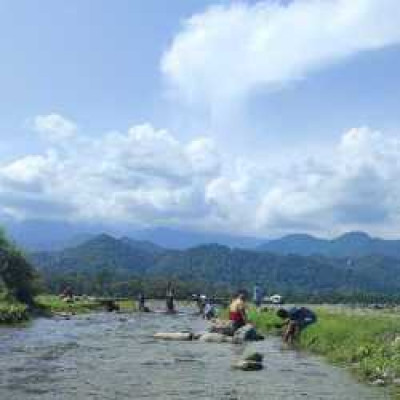
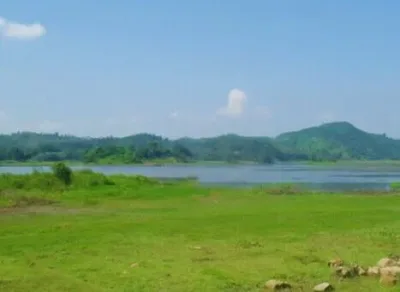
An annual religious celebration and fair is traditionally held around the last day of the Assamese month of Chaitra, attracting local devotees and visitors. The Brahmaputra riverbank also provides a distinctive natural setting, although riverbank erosion has been a concern for the long-term preservation of the site.
Buraburi Than can be included in a Goalpara sightseeing itinerary along with other attractions such as Nandeswar Devalaya, Joybhum Kamakhya Temple and other religious and heritage destinations. It is particularly suitable for travellers interested in folklore, spirituality, local culture and Assam's diverse traditions.