In Depth
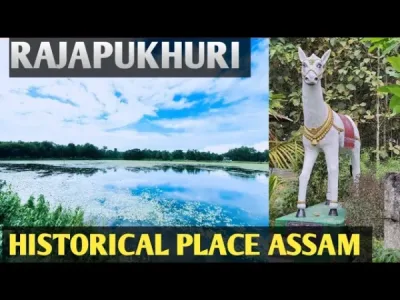
According to local tradition, the pond was excavated during the reign of Ahom King Swargadeo Gadadhar Singha. The king entrusted Borpatra Gohain with the work of digging the large water body as a gesture of respect for his aunt, locally referred to as “Pehi”. Because of this connection, the pond became known as Borpatra Pukhuri. During the British period, it was also referred to as Raja Pukhuri, reflecting its association with the Ahom king who ordered its construction.
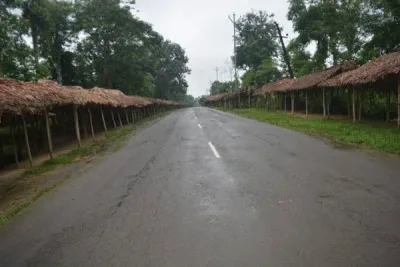
The pond represents the importance of large water reservoirs in the Ahom period. Such pukhuris were not simply sources of water; they were also connected with everyday life, community activities and the cultural traditions of the kingdom. Its presence near the historic Dhodar Ali further adds to the heritage value of the location.
Charaideo is widely recognised for its connection with the Ahom dynasty, and Borpatra Pukhuri provides another glimpse into the region's historical landscape. The surrounding area has also developed over time, with modern public institutions and residential settlements located nearby, creating an interesting combination of Assam’s historic past and present-day development.
For travellers interested in Ahom history, Charaideo heritage and historical places in Assam, Borpatra Pukhuri can be included in a broader visit to the important archaeological and cultural sites around Sonari and Charaideo. Its association with an Ahom king, traditional accounts surrounding its creation and location beside the historic Dhodar Ali make it a noteworthy heritage spot.
Visitors exploring the area can combine the visit with other Charaideo tourist places and learn more about the legacy of the Ahom kingdom, which played a major role in shaping Assam’s history and culture.