In Depth
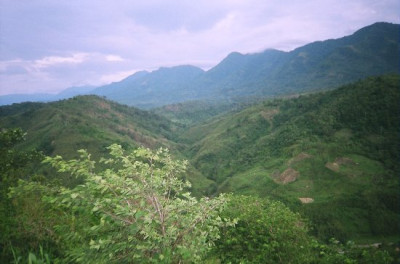
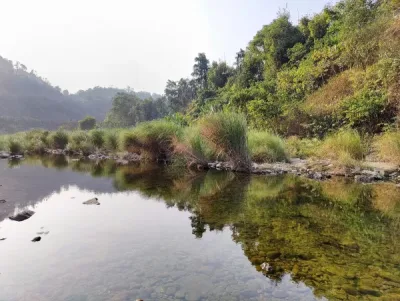
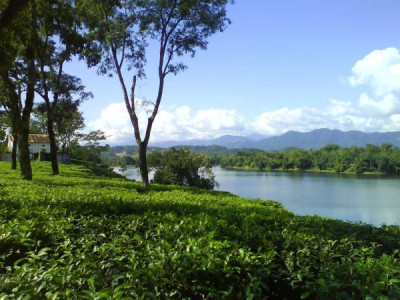
The sanctuary forms part of a highly diverse natural landscape and features tropical moist evergreen and semi-evergreen forests. Its terrain varies considerably, with forested hills, valleys, streams and watercourses creating suitable habitats for a wide range of wildlife. Some higher portions of the landscape rise well above 1,500 metres, making Borail particularly interesting for trekkers, birdwatchers and nature enthusiasts.
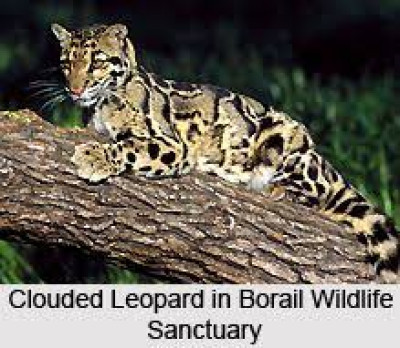
Borail Wildlife Sanctuary is especially known for its rich wildlife. Visitors and researchers may find species such as the western hoolock gibbon, slow loris, capped langur, Assamese macaque, pig-tailed macaque, rhesus macaque, barking deer, serow, wild pig and several other mammals. The forest is also associated with rare wild cats, including the clouded leopard, leopard cat and jungle cat.
Birdwatching is another major attraction of Borail Wildlife Sanctuary. The sanctuary supports more than 300 recorded bird species, including several varieties of hornbills, pheasants, hill partridges and vultures. Great pied hornbill, wreathed hornbill, rufous-necked hornbill, grey peacock-pheasant, Kalij pheasant, white-cheeked hill partridge and mountain bamboo partridge are among the notable birds associated with the forest landscape.
The reptile diversity is equally interesting. The forest habitat supports species such as the king cobra and Burmese rock python, along with other reptiles and turtles. The source material also identifies endangered tortoise species such as the brown hill tortoise as part of the area's biodiversity.
The vegetation of Borail Wildlife Sanctuary adds another important dimension to the landscape. Tropical moist evergreen and semi-evergreen forests are accompanied by bamboo brakes, grassland areas and orchids. Several plant species recorded from the sanctuary are considered significant to the biodiversity of northeast India.
Apart from wildlife observation, Borail is suitable for nature photography, birdwatching, trekking and exploring forest landscapes. However, visitors should remember that this is a protected forest environment rather than a conventional urban tourist attraction. Wildlife should never be approached, fed or disturbed, and visitors should follow instructions issued by forest authorities.
The surrounding Barak Valley also provides opportunities to explore the cultural and natural attractions of southern Assam. Silchar can be used as a convenient base for planning a visit, particularly because it provides accommodation, transport and other essential facilities.
Best Time to Visit Borail Wildlife Sanctuary
October to March is a suitable period for visiting Borail Wildlife Sanctuary according to the supplied reference information. The cooler and generally more comfortable conditions during these months are particularly useful for trekking, birdwatching and outdoor exploration.
Visitors should check local weather and forest access conditions before travelling, as conditions inside a protected forest can change depending on rainfall and seasonal restrictions.
Things to See and Do at Borail Wildlife Sanctuary
Visitors interested in Borail Wildlife Sanctuary can focus on:
- Birdwatching in the forest landscape
- Nature and wildlife photography
- Trekking and exploring hilly terrain
- Observing tropical evergreen and semi-evergreen vegetation
- Looking for hornbills and other forest birds
- Learning about the biodiversity of the Barak Valley
- Exploring nearby areas around Silchar
How to Reach Borail Wildlife Sanctuary from Guwahati?
From Guwahati, visitors can first travel to Silchar, which is the nearest major town mentioned in the supplied information. Silchar is approximately 40 km from the sanctuary area.
By Air: Fly from Guwahati to Silchar Airport, also known as Kumbhirgram Airport. From the airport, hire a local taxi or arrange suitable transport toward the sanctuary area.
By Train: Travel from Guwahati to Silchar by train and continue by local taxi or other road transport toward the accessible forest area.
By Road: Visitors can travel from Guwahati toward Silchar by road and then continue by local transport. Because access within protected forest areas may be restricted, visitors should confirm the permitted entry route with the local forest authorities before starting the final journey.
Where to Stay at Borail Wildlife Sanctuary?
There is limited accommodation directly inside the sanctuary. Visitors can use Silchar as the main base because it offers a wider selection of hotels, lodges and other accommodation options.
The supplied reference also mentions tourist lodge facilities through the Assam Tourism Department. Availability should be confirmed before travelling, particularly during peak tourist periods.
Whom to Contact for a Visit to Borail Wildlife Sanctuary?
For permission, forest access, trekking information or current visitor restrictions, visitors should contact the relevant Assam Forest Department office before travelling.
The supplied reference lists the following contact information:
D.F.O., Karimganj Division: 03843-273455
Range Forest Officer, Kalain: 03845-283535
D.F.O., Cachar Division: 03842-2262647, 03842-2245648
Range Forest Officer, Udharband: 03842-2281472
A separate visit contact number listed in the reference is +91 98110 31980.
Because telephone numbers, officer postings and visitor rules can change, these details should be verified with the relevant forest authority before publishing them as current contact information.
Visitor Tips
Carry sufficient drinking water, comfortable walking shoes, basic first-aid supplies and suitable clothing for forest travel. Avoid littering and do not disturb animals, birds or vegetation. Visitors should remain on permitted routes and follow instructions from forest personnel.
The supplied reference gives the sanctuary's area as 326.24 sq. km, identifies Silchar as the nearest town at about 40 km, and lists October-March as the best visiting period.
Quick Info about Borail Wildlife Sanctuary
| Information | Details |
|---|---|
| Name | Borail Wildlife Sanctuary |
| Location | Southern Assam, Barak Valley |
| Districts/Region | Cachar and adjoining Barail landscape |
| Area | 326.24 sq. km |
| Nearest Major Town | Silchar |
| Distance from Silchar | Approximately 40 km |
| Forest Type | Tropical Moist Evergreen and Semi-Evergreen |
| Terrain | Hilly and forested |
| Maximum Elevation | Above 1,500 metres in some areas |
| Wildlife | Hoolock gibbon, slow loris, clouded leopard, serow, barking deer and others |
| Birds | 300+ species reported in the supplied reference |
| Famous Birds | Great pied hornbill, wreathed hornbill, pheasants and hill partridges |
| Activities | Birdwatching, trekking, wildlife observation, photography |
| Best Time | October to March |
| Nearest Airport | Silchar Airport (Kumbhirgram) |
| Accommodation | Silchar and available forest/tourist lodging |
| Entry | Follow forest department rules and permissions |
FAQs about Borail Wildlife Sanctuary
1. Where is Borail Wildlife Sanctuary located?
Borail Wildlife Sanctuary is located in southern Assam in the Barak Valley region, with the sanctuary landscape associated with Cachar and the surrounding Barail hills.
2. How far is Borail Wildlife Sanctuary from Silchar?
The sanctuary is approximately 40 km from Silchar, which is the nearest major town mentioned in the supplied reference.
3. What is Borail Wildlife Sanctuary famous for?
Borail Wildlife Sanctuary is known for its tropical evergreen forests, hilly terrain, rich biodiversity, rare mammals and more than 300 recorded bird species.
4. What animals are found in Borail Wildlife Sanctuary?
Wildlife associated with the sanctuary includes hoolock gibbons, slow lorises, capped langurs, Assamese macaques, clouded leopards, barking deer, serow, wild pigs and several other mammals.
5. Can I see a clouded leopard in Borail Wildlife Sanctuary?
The clouded leopard is among the wild cat species reported from the sanctuary. However, sightings of such elusive animals are not guaranteed.
6. Is Borail Wildlife Sanctuary good for birdwatching?
Yes. Borail is an important destination for bird enthusiasts, with more than 300 bird species reported in the supplied reference, including several hornbills, pheasants, partridges and vultures.
7. What is the best time to visit Borail Wildlife Sanctuary?
October to March is identified as the best visiting period in the supplied reference.
8. How can I reach Borail Wildlife Sanctuary from Guwahati?
Visitors can travel from Guwahati to Silchar by air, train or road and then continue toward the sanctuary by local road transport. Visitors should confirm the permitted entry point with the Forest Department before travelling.
9. Where can I stay when visiting Borail Wildlife Sanctuary?
Silchar is the most convenient base for accommodation. The supplied reference also mentions tourist lodge facilities through the Assam Tourism Department.
10. Is Borail Wildlife Sanctuary suitable for trekking?
Yes. The sanctuary's hilly terrain makes it suitable for trekking and nature exploration, subject to forest permissions, route conditions and local safety instructions. The supplied reference specifically identifies the sanctuary as a destination for trekkers