In Depth
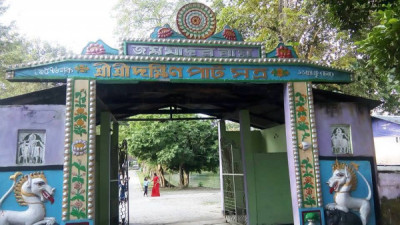
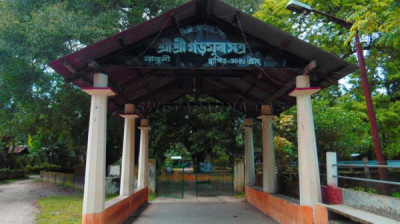
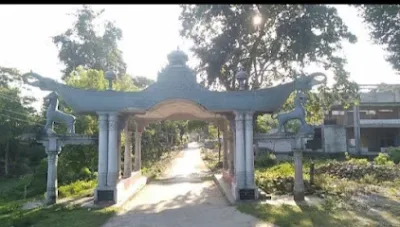
The institution is particularly known for its regular prasanga sessions, historical religious objects, Sanchipat manuscripts and traditional festivals. Its religious environment offers visitors an opportunity to understand the spiritual and cultural traditions that have shaped Majuli over several centuries.
History and Origin of Bhogpur Satra
Local traditions connect the establishment of Bhogpur Satra with Srimanta Sankardev. Some historical accounts refer to its foundation in 1450 Shaka, corresponding to approximately 1528 CE. This date should be distinguished from 1450 CE, as the two dates represent different calendar systems.
According to local folklore, the area was once known as Dinapur. The name Bhogpur is believed to have originated from an incident involving the offering of bhog, or sacred food, to God. Sankardev and his followers are traditionally associated with devotional activities near the banks of a river known as Basista Ganga or Tuni. During one such occasion, an earthen lamp was lit and food was offered as part of worship. The place subsequently became associated with the name Bhogpur.
The tradition of maintaining the sacred lamp, known as Bhogbonti, and continuing the offering of bhog became an important responsibility of the Satra. Local accounts also associate the continuation of these customs with Ahom royal patronage. The Satradhikar and resident bhakats have traditionally been responsible for preserving the religious practices and institutional heritage.
Monastic Life and Religious Traditions
Bhogpur Satra follows the Udasin tradition, under which resident monks, known as bhakats, observe celibacy and dedicate their lives to religious discipline and devotional activities. The Satra is managed under the leadership of the Satradhikar, who oversees its religious and administrative responsibilities.
Daily worship includes prasanga, devotional recitation and the offering of bhog. The fourteen prasangas are an important part of the traditional religious routine. These sessions bring together devotional singing, prayer and the recitation of religious teachings associated with the Neo-Vaishnavite movement.
The Satra is also known for preserving the tradition of lighting the Bhogbonti lamp. This custom reflects the connection between its folklore, religious identity and daily worship.
Historical Manuscripts and Preserved Artefacts
One of the significant attractions of Bhogpur Satra is its collection of historical religious objects and manuscripts. The institution is reported to preserve 44 scriptures written on Sanchipat, a traditional writing material prepared from the bark of the Sanchi tree. Such manuscripts are valuable records of Assam's literary and religious heritage.
The Satra also preserves several traditional objects, including brass idols of Lord Vishnu, bell-metal vessels, a large ceremonial storage box known as Bortema, Banbati, brass Xorai and traditional cymbals. Some objects are associated with historical patronage and the religious activities of the institution.
Other preserved items include traditional equipment and ritual objects used in the daily life of the Satra. These collections provide insight into the material culture, craftsmanship and devotional practices of earlier generations. Access to the artefacts and manuscript collection may be restricted, so visitors should seek permission before viewing or photographing them.
Traditional Dance, Music and Cultural Activities
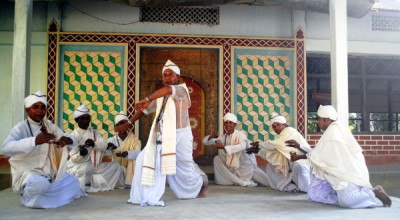
Bhogpur Satra contributes to the preservation of traditional Assamese performing arts. Its cultural practices include several forms of devotional dance and performance, such as Chali Nritya, Jhumura Nritya, Nachbhanga, Ozapali and Sutradhar.
These art forms combine movement, music, storytelling and religious expression. The Satra's connection with Sattriya traditions reflects the important role monasteries have played in developing and preserving Assamese classical and devotional performing arts.
Ankia Naat and Bhaona are also associated with the wider cultural tradition of the satras. Through dramatic presentations, performers communicate stories from religious literature and Vaishnavite teachings. Groups associated with the Satra tradition have presented Assamese cultural performances in different parts of India and abroad.
Festivals Celebrated at Bhogpur Satra
Religious festivals and anniversaries are an important part of the annual calendar at Bhogpur Satra. Janmashtami, celebrating the birth of Lord Krishna, is one of the important occasions observed here. Raas Leela and Raas Mahotsav are also significant celebrations, featuring devotional performances and traditional cultural activities.
The Satra observes the birth and death anniversaries, known as tithis, of Srimanta Sankardev and Sri Madhavdev, along with commemorations of previous Satradhikars. Falgutsav, associated with Holi, is another important occasion. These celebrations help preserve the religious customs and community traditions of Majuli.
Visitors interested in experiencing these occasions should confirm the festival dates and programme schedule with the Satra before travelling.
What to See and Experience at Bhogpur Satra
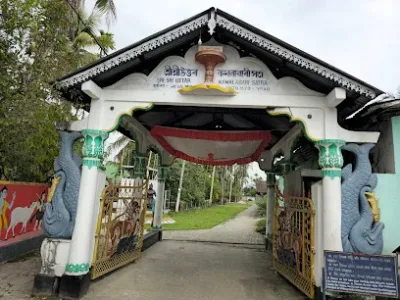
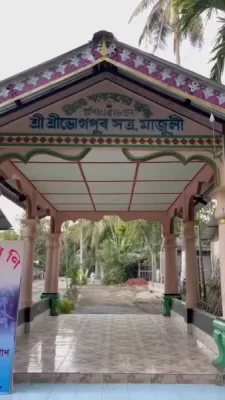
A visit to Bhogpur Satra offers an opportunity to explore an active Vaishnavite monastery and learn about its historical traditions. The namghar is an important part of the religious campus, where devotees gather for prayer and prasanga sessions.
Visitors can learn about the traditional Bhogbonti lamp, the Satra's devotional practices and the history behind the name Bhogpur. The collection of Sanchipat manuscripts and traditional artefacts is also of interest to people studying Assamese history and culture, subject to permission from the authorities.
The monastic campus, traditional lifestyle of the bhakats and surrounding riverine landscape add to the experience. If a cultural programme or religious celebration is taking place, visitors may have an opportunity to observe traditional music, dance and devotional performances.
How to Reach Bhogpur Satra from Guwahati
Bhogpur Satra is located at Potia Gaon in the Kamalabari area of Majuli district. Travellers from Guwahati generally reach Jorhat first and then cross the Brahmaputra River by ferry to Majuli.
By Air: Jorhat Airport, also known as Rowriah Airport, is a convenient airport for reaching Majuli. From the airport, hire a taxi or local vehicle to Nimati Ghat.
By Train: Travel from Guwahati to Jorhat Town railway station or another suitable railway station in the Jorhat region. From there, continue by taxi or local transport to Nimati Ghat.
By Road: Jorhat is connected to Guwahati by road and bus services. After reaching Jorhat, proceed towards Nimati Ghat, the main ferry point for Majuli.
By Ferry: Take a ferry from Nimati Ghat across the Brahmaputra to an operating ferry terminal on Majuli, such as Kamalabari or Aphalamukh, depending on the current service. Ferry schedules and arrival points may change according to river conditions and operational arrangements.
From the ferry terminal, hire a local taxi, shared vehicle or auto-rickshaw to reach Potia Gaon and Bhogpur Satra. Ask the driver for Bhogpur Satra or Bhugpur Satra, as both spellings are used.
Travel Tip: Ferry services are generally operated during daytime, but departure times can change because of weather, water levels and seasonal conditions. Confirm the latest ferry schedule before leaving Jorhat. During the monsoon, allow extra time for possible travel disruptions.
Where to Stay at Bhogpur Satra and Nearby Areas
Visitors and devotees may be able to stay at Sri Sri Bhogpur Satra, provided arrangements are made in advance with the Satra authorities. Accommodation is generally expected to be simple and suitable for a religious or monastic environment rather than comparable to a commercial hotel.
Travellers should contact the Satradhikar or the responsible Satra representative before planning an overnight stay. Confirm room availability, facilities, check-in arrangements and any applicable contribution or charges. Do not assume that accommodation will be available on arrival.
For additional accommodation choices, visitors can look for homestays, guesthouses and resorts in nearby Kamalabari and Garamur. These areas provide convenient bases for exploring other satras, villages and cultural attractions across Majuli.
Whom to Contact Before Visiting
For information about accommodation, visiting arrangements, religious activities and access to the manuscript or artefact collection, visitors should contact the Bhogpur Satra authorities directly. The Satradhikar or an authorised representative is the appropriate person to approach for permission and guidance.
No verified phone number or email address for Bhogpur Satra was included in the reference information. It is better to obtain current contact details through the Majuli district administration, local tourism office or a trusted local accommodation provider rather than publish an unverified number.
Best Time to Visit Bhogpur Satra
October to March is generally a suitable period to visit Bhogpur Satra and explore Majuli. The weather is usually more comfortable for sightseeing, village visits and ferry journeys during these months.
Visitors interested in religious and cultural celebrations can plan around Janmashtami, Raas Mahotsav and other important tithis. Festival dates follow the religious calendar and may change each year. The monsoon season can bring heavy rainfall, flooding and ferry disruptions, so check local travel conditions before visiting.
Visitor Guidelines and Travel Tips
Bhogpur Satra is an active religious institution, and visitors should respect its customs and monastic environment. Wear modest clothing, remove footwear wherever requested and maintain silence during prayers. Ask permission before taking photographs of monks, religious ceremonies, manuscripts or historical objects.
Some parts of the campus may be restricted to visitors. Follow the instructions of the Satra authorities and avoid interrupting the daily routine of the bhakats. Keep the premises clean and treat religious objects with care.
A visit to Bhogpur Satra is a meaningful way to discover the spiritual history of Majuli. Its traditional worship, manuscripts, artefacts and performing arts make it an important destination for travellers interested in Assam's Neo-Vaishnavite heritage.
Quick Information Table
Information | Details |
|---|---|
Name | Bhogpur Satra (also known as Bhugpur Satra) |
Location | Potia Gaon, Kamalabari Mauza, Majuli, Assam |
District | Majuli |
PIN Code | 785106 |
Religious tradition | Neo-Vaishnavism |
Associated spiritual figure | Srimanta Sankardev |
Traditional founding date | 1450 Shaka (approximately 1528 CE, according to one historical account) |
Nearest major town | Jorhat |
Nearest ferry point | Kamalabari area, Majuli |
Main attractions | Namghar, devotional prasangas, traditional artefacts and manuscripts |
Cultural activities | Sattriya dance, devotional music, traditional dance and Bhaona |
Major festivals | Janmashtami, Raas Leela, Falgutsav and religious anniversaries |
Visiting hours | Reported as 6:00 AM to 6:00 PM; confirm locally |
Best time to visit | October to March |
Accommodation | Basic guest accommodation may be available at the Satra by advance arrangement |
Entry fee | Confirm with the Satra authorities |
Frequently Asked Questions (FAQs)
1. Where is Bhogpur Satra located in Assam?
Bhogpur Satra is located at Potia Gaon in the Kamalabari area of Majuli district, Assam. It is one of the traditional Vaishnavite religious institutions associated with Majuli's cultural heritage.
2. What is the other name of Bhogpur Satra?
Bhogpur Satra is also known as Bhugpur Satra. Both spellings are used in different references to this historic monastery in Majuli.
3. Who established Bhogpur Satra?
Traditional accounts associate Bhogpur Satra with Mahapurush Srimanta Sankardev and the Neo-Vaishnavite movement. Some historical accounts give its founding date as 1450 Shaka, approximately 1528 CE.
4. Why is Bhogpur Satra famous?
Bhogpur Satra is known for its ancient religious traditions, regular prasanga sessions, historical manuscripts, traditional artefacts, devotional music and Assamese performing arts.
5. What is the story behind the name Bhogpur?
According to local folklore, the name Bhogpur is connected with the offering of sacred food, or bhog, and the lighting of an earthen lamp during religious worship near the Basista Ganga riverbank.
6. What historical manuscripts are preserved at Bhogpur Satra?
Bhogpur Satra is reported to preserve 44 religious scriptures written on Sanchipat, a traditional manuscript material prepared from the bark of the Sanchi tree.
7. Which festivals are celebrated at Bhogpur Satra?
Important celebrations include Janmashtami, Raas Leela, Falgutsav, and the birth and death anniversaries of Srimanta Sankardev, Sri Madhavdev and former Satradhikars.
8. How can I reach Bhogpur Satra from Guwahati?
Travel from Guwahati to Jorhat by air, train or road. Continue to Nimati Ghat and take a ferry across the Brahmaputra to Majuli. From the ferry terminal, hire local transport to reach Bhogpur Satra.
9. Can tourists stay at Bhogpur Satra?
Visitors may be able to arrange basic accommodation at Bhogpur Satra, but advance permission is necessary. Contact the Satra authorities before travelling to confirm availability and facilities.
10. What is the best time to visit Bhogpur Satra?
October to March is generally the best period to visit Bhogpur Satra because of the more comfortable weather and convenient sightseeing conditions. Visitors can also plan around major religious festivals after confirming the dates.