In Depth
History & Significance
Founded by Muraridev, one of the prominent disciples of Purushottam Thakur, Bengenaati Satra has played a vital role in shaping Majuli’s spiritual and artistic landscape. The name Bengenaati is derived from two Assamese words - Bengena (brinjal) and Ati (elevated land)—indicating an ancient elevated area where brinjals once grew abundantly.
The Satra once received strong patronage from the Ahom kings, including Swargadeo Gadadhar Singha, Rudra Singha, and Siva Singha, who contributed land, treasures and support for cultural development. This long history of royal association is reflected in the rare artifacts kept safely inside the Satra museum.
Architecture & Layout
The Satra is spread across a vast rectangular campus with a layout typical of traditional Assamese monasteries. It includes:
-
Namghar (Prayer Hall) at the center
-
Hati (rows of residential units) on three sides
-
Sattradhikar's residence on the eastern side
-
Museum and artifact rooms on the northern side
-
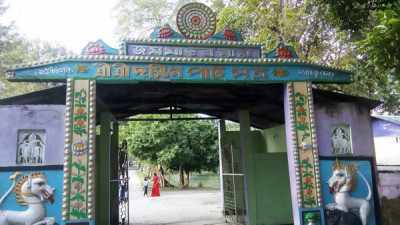
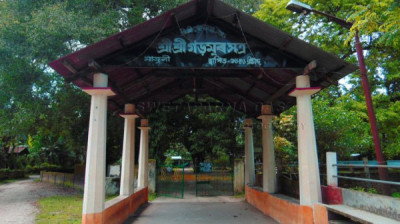
Batchora (Entrance Gate) on the southwest
-
Ponds (Pokhris), open courtyards and green zones
-
Cowsheds and kitchen gardens maintained by residents
A natural vegetation buffer surrounds the Satra, preserving biodiversity and protecting the complex from erosion caused by the mighty Brahmaputra River.
Cultural Heritage & Artistic Importance
Bengenaati Satra is widely recognized for:
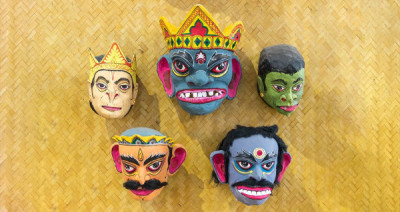
1. Mask-Making Tradition
Majuli’s traditional mask-making has been preserved and practiced here for centuries. These masks are used in Bhaona (religious theatre) and depict mythological characters.
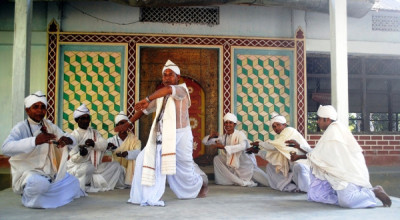
2. Sattriya Nritya
The Satra is an important center for Sattriya Dance, a classical dance form of India that originated from the Vaishnavite monasteries of Assam.
3. Historical Collection
The Satra museum houses invaluable relics including:
-
The golden royal robes (Gorbhahi Bastra) of King Gadadhar Singha
-
Silverware and traditional Assamese Xorais
-
Scriptures written on Sachi-pat (bark)
-
Ancient musical instruments and ceremonial objects
-
The Gurumala, Raj Abharan and rare artifacts dating back centuries
4. Religious & Cultural Events
Major festivals celebrated here include:
-
Raas Leela (the most popular cultural festival of Majuli)
-
Magh Bihu, Bohag Bihu & Kati Bihu
-
Janmashtami & Falgutsav (Holi)
-
Birth and death anniversaries of Sankardeva and Madhavdeva
These events attract thousands of visitors and devotees from across India.
How to Reach Bengenaati Satra
Visiting the Satra is easy with a combination of road and river travel:
1. Reach Jorhat (Nearest City)
-
By Air: Jorhat Airport (approximately 20–22 km from ferry point)
-
By Train: Jorhat Town Railway Station
-
By Road: Well connected from Guwahati and other major cities
2. Ferry to Majuli
From Nimati Ghat, take a government or private ferry to Kamalabari or Aphalamukh Ghat in Majuli.
3. Local Transport in Majuli
Once on the island, you can reach Bengenaati Satra via:
-
Auto-rickshaws
-
E-rickshaws
-
Rental bikes
-
Local taxis
Best Time to Visit
The ideal time to explore Bengenaati Satra is October to March, when Majuli experiences pleasant weather and ferry services run smoothly. This period also coincides with major festivals like Raas Leela and winter Bihus, offering visitors a cultural treat.
Monsoons (June–September) should be avoided due to heavy river currents and unpredictable ferry schedules.
Where to Stay in Majuli
Majuli offers several comfortable stay options:
-
Eco-resorts close to the river
-
Homestays run by local families
-
Budget lodges near Kamalabari
Satra-owned guesthouses
These accommodations offer Assamese-style hospitality, local vegetarian food and traditional cultural experiences.
| Bengenaati Satra – Quick Info | Details |
|---|---|
| Location | Majuli Island, Assam |
| Founded | 17th Century (By Muraridev) |
| Tradition Followed | Purush Sanghati (Neo-Vaishnavism) |
| Famous For | Artifacts, Sattriya dance, mask-making, Vaishnavite culture |
| Nearest City | Jorhat |
| Nearest Ferry Point | Kamalabari / Aphalamukh |
| Best Time to Visit | October – March |
| Entry Fee | Usually free |
| Ideal Duration | 1–2 hours |
| Key Attractions | Museum, Namghar, Hati, artifacts, festivals |
| Accommodation | Homestays, eco-resorts, guesthouses |
FAQs on Bengenaati Satra
1. What is Bengenaati Satra famous for?
It is famous for its Vaishnavite traditions, historical artifacts, mask-making culture and Sattriya dance.
2. Who founded Bengenaati Satra?
The Satra was founded by Muraridev, a key disciple of Purushottam Thakur.
3. What artifacts are preserved at Bengenaati Satra?
Royal robes, silver utensils, ancient scriptures, Xorai sets, ceremonial items and traditional masks.
4. How do I reach Bengenaati Satra in Majuli?
Travel to Jorhat, take a ferry from Nimati Ghat to Majuli and hire a local vehicle.
5. What is the best time to visit Bengenaati Satra?
October to March is the best time due to pleasant weather and smooth ferry services.
6. Is there an entry fee at Bengenaati Satra?
Most visitors can explore the Satra and museum without a compulsory entry fee.
7. Can tourists stay near Bengenaati Satra?
Yes, Majuli has many homestays, eco-lodges and local resorts near the Satra.
8. What festivals are celebrated at Bengenaati Satra?
Raas Leela, Janmashtami, Bihu festivals, Holi/Falgutsav and Sankardeva Tithi.
9. How old is Bengenaati Satra?
It dates back to the mid-17th century, making it over 350 years old.
10. Is photography allowed inside the Satra?
Photography is usually allowed outside; restrictions may apply inside the museum.