In Depth
The wetland is believed to have historical significance dating back to the era of the Baro-Bhuyans and the Koch Kingdom, when several ponds and water bodies were developed across the region. Over the centuries, Batha Beel has remained an important source of livelihood for nearby villages through fishing, irrigation, and agriculture.
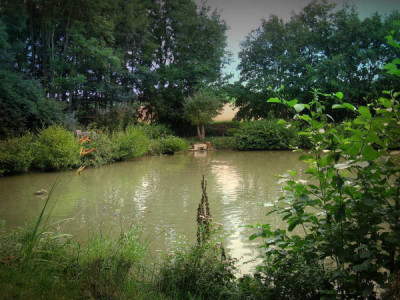
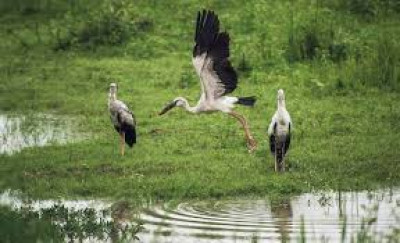
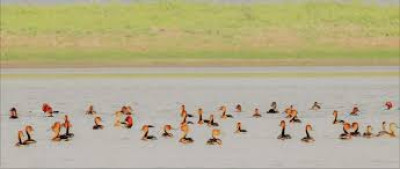
Today, the beel is best known for its rich biodiversity and seasonal arrival of migratory birds during winter. Birdwatchers can spot various local and migratory species that visit the wetland from colder regions of Central Asia and beyond. The calm environment, scenic waterbody, and natural surroundings make it an excellent destination for photography, sightseeing, and eco-tourism.
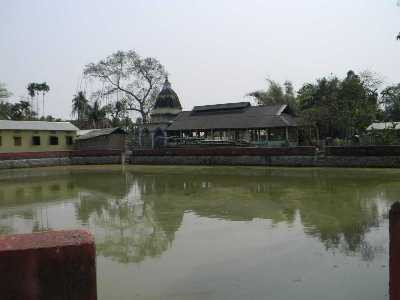
Visitors exploring Batha Beel can also include nearby attractions such as Orang National Park, Pukhuria Beel, Baladev Pukhuri, and Jaypal Pukhuri in their itinerary. The ideal time to visit is from October to March when the weather remains pleasant and bird activity is at its peak.
How to Reach: Batha Beel is easily accessible from Mangaldai and Sipajhar by road. Private taxis, local vehicles, and hired cars are available from Mangaldai, which is well connected to Guwahati and other major towns of Assam.
Where to Stay: Accommodation options are available in Mangaldai and nearby towns, including budget hotels, guest houses, and tourist lodges. Visitors seeking more premium stays may also choose hotels in Guwahati, located about 70 km away.