In Depth
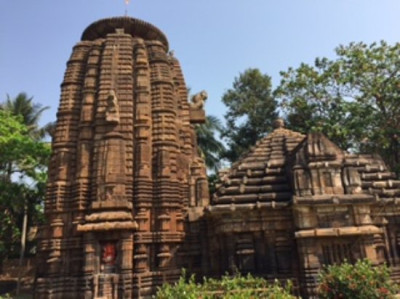
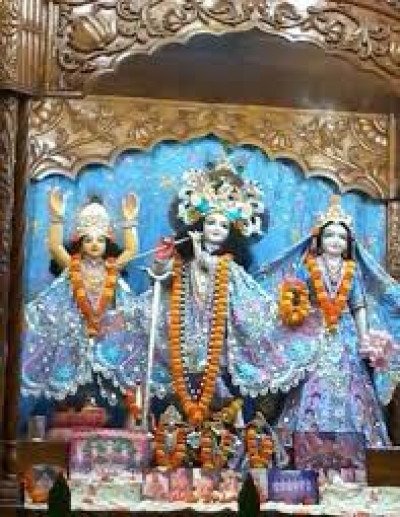
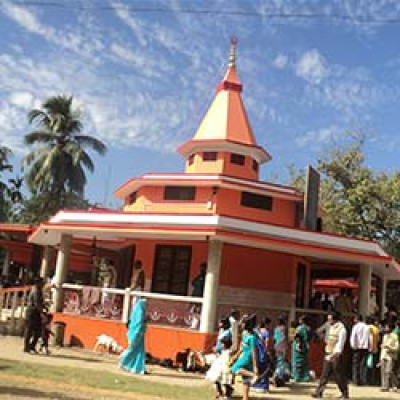
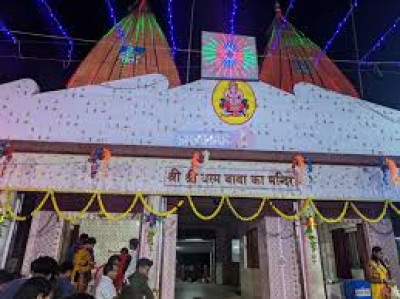
The origins of Barambaba Mandir date back to around 1860, when tea garden workers established the shrine as a symbol of faith, protection and community unity. Over the decades, the temple has evolved into a major religious landmark, attracting devotees not only from Assam but also from neighboring states. Barambaba is often associated with strength, protection and fulfillment of wishes, making the temple a significant spiritual center for villagers and travelers alike.
The most vibrant time to visit Barambaba Mandir is during Kartik Purnima, when the annual mela is organized with great enthusiasm. This festival transforms the temple premises into a lively cultural hub filled with devotional rituals, local fairs, traditional food stalls and folk activities. Thousands of devotees gather during this period to offer prayers, seek blessings and participate in age-old customs passed down through generations.
How to Reach Barambaba Mandir
Barambaba Mandir is located approximately 10 km from Silchar town, making it easily accessible.
-
By Road: Regular taxis and auto-rickshaws are available from Silchar to the temple area.
-
By Rail: Silchar Railway Station is the nearest railhead, well connected to major cities in Assam.
-
By Air: Silchar Airport (Kumbhirgram) is the nearest airport, located around 30 km away.
Best Time to Visit
The ideal time to visit Barambaba Mandir is between October and March, when the weather remains pleasant. Kartik Purnima, usually falling in October or November, is the most auspicious time, offering visitors a chance to witness the grand annual mela and local traditions at their peak.
Where to Stay
Silchar town offers a range of accommodation options, including budget hotels, guest houses and mid-range stays. Visitors can comfortably stay in Silchar and plan a short visit to Barambaba Mandir as part of their itinerary.
Barambaba Mandir stands as a symbol of faith, heritage and community belief, making it a meaningful stop for spiritual seekers and cultural explorers visiting southern Assam.