In Depth
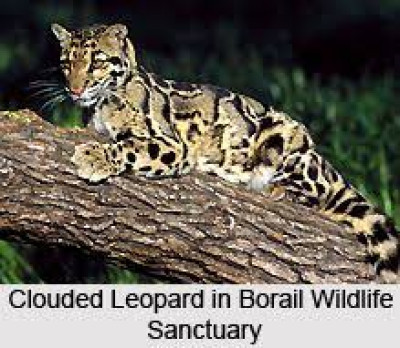
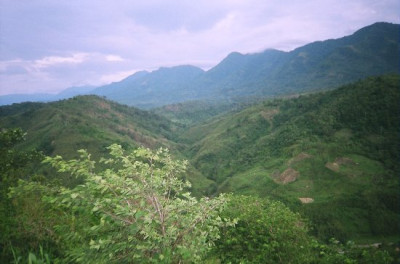
The Barail Range serves as an important natural boundary between the Brahmaputra and Barak river basins, making it one of the most significant ecological zones in Assam. Covered with tropical evergreen and subtropical forests, the region supports a remarkable variety of wildlife, including Hoolock Gibbons, Clouded Leopards, Asiatic Black Bears, Capped Langurs, and numerous species of birds. Nature enthusiasts and wildlife photographers are often drawn to the area's untouched beauty and diverse ecosystems.
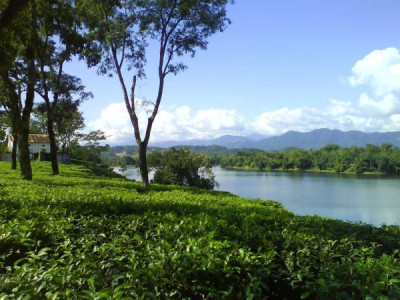
Apart from its ecological importance, the Barail Hills offer stunning viewpoints, trekking opportunities, forest trails, mountain streams, and picturesque valleys. During the monsoon season, waterfalls and rivers become even more spectacular, while winter provides clear skies and excellent conditions for sightseeing and outdoor exploration.
The best time to visit the Barail Hills is from October to April when the weather remains pleasant and visibility is ideal for enjoying the surrounding landscapes. The region is particularly popular among adventure seekers, birdwatchers, and travellers looking to experience the unspoiled natural beauty of South Assam.
How to Reach
By Air: The nearest airport is Silchar Airport, located approximately 60-90 km from various access points to the Barail Hills. Lokpriya Gopinath Bordoloi International Airport in Guwahati is another major gateway.
By Rail: Haflong Railway Station and Silchar Railway Station provide convenient rail connectivity to the region.
By Road: The hills can be reached via National Highway routes connecting Silchar, Haflong, and Dima Hasao. Private vehicles and local taxis are readily available.
Where to Stay
Visitors can find accommodation in Haflong, Silchar, and nearby towns. Options range from budget hotels and guest houses to eco-resorts and nature camps. Haflong serves as the most popular base for exploring the scenic landscapes and trekking routes of the Barail Range.