In Depth
Location and Natural Setting
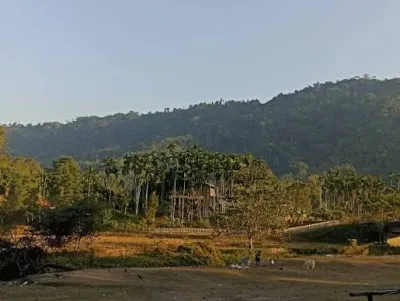
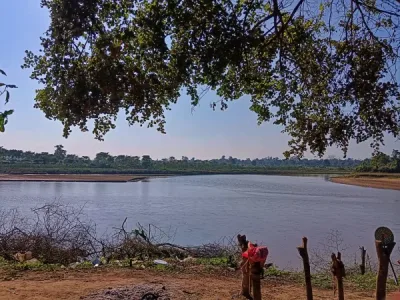
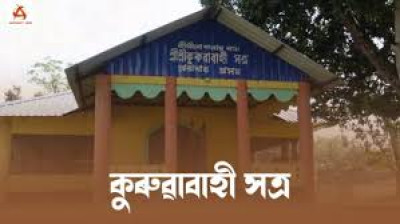
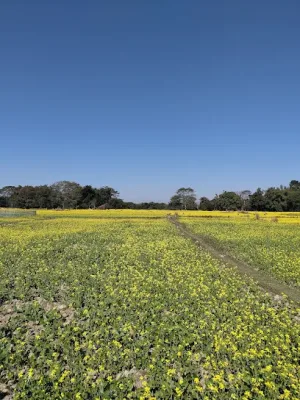
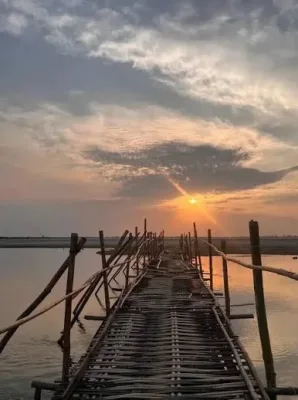
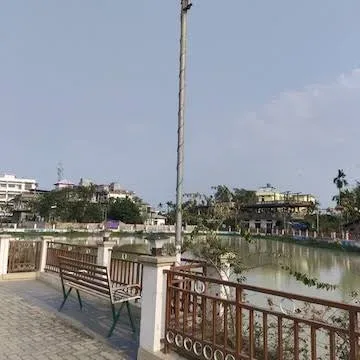
Athkheliya Namghar is situated in the Bosa Gaon area of Ghiladhari mouza in Golaghat district. The surrounding region is closely associated with the Ghiladhari, Makrong and Kakodonga rivers, which flow near the namghar and form an important part of its geographical setting. The Kakodonga also forms part of the boundary between Golaghat and Jorhat districts.
History and Historical Tradition
The history of Athkheliya Namghar is closely connected with the turbulent period of the Ahom kingdom during the late seventeenth century. According to local tradition, Prince Gadapani, who later became King Gadadhar Singha, sought refuge while being pursued during the reign of Lora Raja. He is said to have reached a hermitage located at the site where the present religious institution stands.
A popular legend describes how the hermitage provided shelter to Gadapani and how the natural surroundings helped him remain hidden from the royal search party. After Gadapani became king in 1681, tradition says that he remembered the saint who had sheltered him. Although the saint could not later be found, Gadadhar Singha entrusted the care of the sacred place to eight groups of people. These groups eventually became associated with the eight kuri or khel system from which the name Athkuriya, later Athkheliya, is believed to have developed.
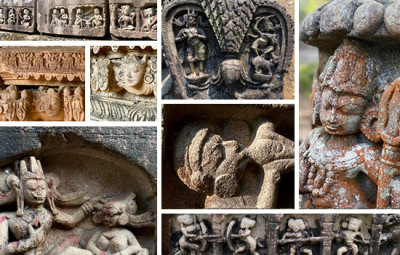
Historical accounts concerning the earliest religious structure at the site are not entirely uniform. Some traditions connect an older Shiva shrine with the pre-Ahom period, while later religious development established the site as an important Vaishnavite centre. This long religious evolution is one of the distinctive features of Athkheliya's history.
Meaning of Athkheliya
The name Athkheliya is traditionally associated with eight kuri or neighbourhood groups. These communities shared responsibility for religious duties, social activities, offerings and the maintenance of the sacred institution. Over time, the name Athkuriya became popularly known as Athkheliya.
The Eight Khel or Kuri of Athkheliya Namghar
The eight khel or kuri associated with Athkheliya Namghar are an integral part of its identity and religious administration:
Bochakuri – Selected specially by the king for various services
Bairagikuri – Worked as messengers to other kingdoms and regions
Brahmankuri – Consisted of Brahmans settled by Ahom kings for religious duties
Nangalkuri – Responsible for agricultural activities and cultivation
Solalkuri – Believed to be formed by wise and knowledgeable individuals
Kacharikuri – Named after an individual called Kachari
Borahikuri – Formed by members of the Borahi tribe who later adopted Vaishnavism
Kakatikuri – Comprised of land record keepers known as Kakatis
Religious activities at Athkheliya Namghar are still conducted under the supervision of these eight khels. Even today, offerings are symbolically divided into eight parts in their memory before Naam Kirtan begins.
The eight-khel tradition remains an important part of the identity of the namghar. Religious offerings have traditionally been divided into eight portions, symbolically maintaining the connection between the sacred institution and its founding communities.
Religious Activities
Athkheliya Namghar follows Vaishnavite religious practices and remains an active place of worship. Four regular prasanga are traditionally observed during the day - morning, midday, afternoon and evening. Devotees visit the namghar with offerings, lamps, betel nut and leaves, flowers and other articles of worship.
The institution welcomes devotees irrespective of caste, community or social background. Naam-prasanga, religious readings and devotional activities form an important part of everyday life at the namghar.
Festivals and Annual Celebrations
Several religious and cultural events are observed at Athkheliya Namghar. Borsabah, Panitola Sabah, Namloa Sabah and Na-chaulor Sabah are among the traditional annual observances. Raas Mahotsav and Borsha Bhaona are also associated with the religious and cultural calendar of the institution.
The month of Bhado or Bhadra, generally falling during August and September, is particularly significant. Large numbers of devotees visit the namghar during this period for devotional activities and Naam Kirtan. Visitors should expect the premises to be considerably busier during major religious occasions.
Athkheliya Namghar and Local Culture
The namghar represents more than a place of worship. Its traditional system combines religious practice, community organisation, cultural activities and social responsibilities. Bhaona performances, devotional music, religious readings and community participation have helped preserve the cultural character of the institution.
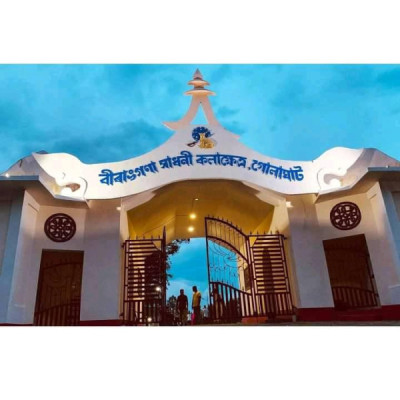
The development of the namghar has taken place gradually over several generations. Permanent buildings, gateways, boundary walls, accommodation facilities, water arrangements, offices and other visitor facilities have been developed to support devotees and pilgrims.
How to Reach Athkheliya Namghar from Guwahati?
By Road: Athkheliya Namghar is approximately 18-20 km from Golaghat town. From Guwahati, travellers can reach Golaghat by road and continue towards the Athkheliya area using local roads. Buses, taxis and private vehicles are practical options.
By Rail: Furkating Junction is the nearest major railway station, located roughly 13 km from the namghar according to the supplied references. From Furkating, visitors can hire a taxi or use local transport to reach the shrine.
By Air: Jorhat Airport is the nearest airport, approximately 60 km away. From the airport, travellers can continue by taxi towards Golaghat and Athkheliya Namghar.
Best Time to Visit
September to May is generally suitable for visiting Athkheliya Namghar because of the more comfortable weather. Those interested in experiencing its busiest religious atmosphere may plan their visit around Bhado or Bhadra, when special devotional activities and large gatherings take place. Visitors attending festivals should check the local schedule before travelling.
Where to Stay?
Golaghat town provides accommodation options ranging from budget hotels and lodges to more comfortable stays. Travellers can also find accommodation along the Golaghat-Kaziranga route. For pilgrims visiting during major festivals, booking accommodation in advance is advisable because demand can increase considerably.
Why Visit Athkheliya Namghar?
Athkheliya Namghar offers an opportunity to experience the religious heritage of Assam alongside stories from the Ahom period and a distinctive community tradition. Its eight-khel system, Vaishnavite practices, annual celebrations and connection with local cultural life make it an important destination for visitors interested in Assam's history, spirituality and traditional institutions.
Quick Info About Athkheliya Namghar
| Information | Details |
|---|---|
| Location | Bosa Gaon, Golaghat, Assam |
| Established | 1681 AD |
| Founder | Ahom King Gadadhar Singha |
| Religious Sect | Vaishnavism |
| Famous For | Eight Khel System |
| Nearest Town | Golaghat |
| Nearest Railway Station | Furkating Junction |
| Nearest Airport | Jorhat Airport |
| Best Time to Visit | September to May |
| Suggested Duration | 2 to 3 Hours |
FAQs About Athkheliya Namghar
Q1. Where is Athkheliya Namghar located?
Athkheliya Namghar is located in the Bosa Gaon and Ghiladhari area of Golaghat district, Assam, around 18-20 km from Golaghat town.
Q2. Why is Athkheliya Namghar famous?
Athkheliya Namghar is famous for its Vaishnavite religious tradition, historical association with the Ahom period and its traditional eight-khel or kuri system.
Q3. Who is associated with the history of Athkheliya Namghar?
The namghar is traditionally associated with Prince Gadapani, later known as Ahom King Gadadhar Singha, and the story of his refuge at a hermitage in the area.
Q4. What does the name Athkheliya mean?
Athkheliya is traditionally linked with eight kuri or khel communities that were associated with the religious and social organisation of the sacred institution.
Q5. What are the eight khel of Athkheliya Namghar?
The traditional eight khel are Bacha Kuri, Bairagi Kuri, Brahman Kuri, Nangal Kuri, Sholal Kuri, Kachari Kuri, Barahi Kuri and Kakati Kuri.
Q6. Which religious tradition is followed at Athkheliya Namghar?
Athkheliya Namghar follows the Vaishnavite tradition, with Naam-prasanga, religious readings, devotional activities and community worship forming important parts of its practices.
Q7. What festivals are celebrated at Athkheliya Namghar?
Important observances include Borsabah, Panitola Sabah, Namloa Sabah and Na-chaulor Sabah. Raas Mahotsav and Borsha Bhaona are also associated with the namghar.
Q8. How far is Athkheliya Namghar from Golaghat town?
Athkheliya Namghar is approximately 18-20 km from Golaghat town and can be reached by local road transport.
Q9. What is the nearest railway station to Athkheliya Namghar?
Furkating Junction is the nearest railway station and is approximately 13 km from the namghar.
Q10. What is the best time to visit Athkheliya Namghar?
September to May is generally a comfortable period for visiting. Bhado or Bhadra is particularly significant for devotees because of the major religious activities and large gatherings during this period.