In Depth
Location of Aswaklanta Temple
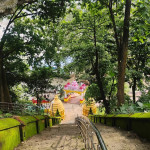
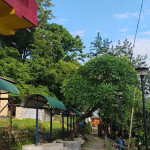
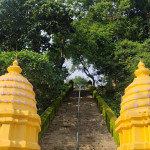
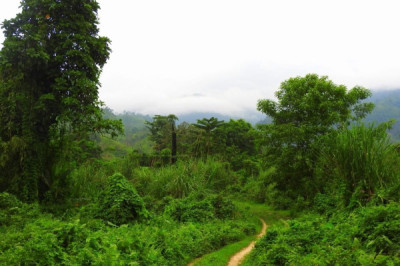
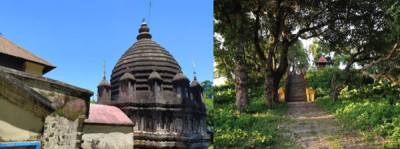
The temple complex has two important shrines positioned at different levels of the hillock. The lower shrine is associated with Kurma Janardana, while the upper shrine is known as Aswaklanta or Anantasayi Vishnu. The location provides visitors with a peaceful environment and attractive views towards the Brahmaputra.
History of Aswaklanta Temple
Aswaklanta Temple was constructed in 1720 AD during the reign of Ahom King Swargadeo Siva Singha. The present temple complex is particularly important because the site contains architectural remains and sculptures representing much older traditions.
According to the Directorate of Archaeology, Assam, the archaeological site includes two Vishnu temples and two rock-cut caves facing the Brahmaputra. The upper temple, identified as the Aswakranta or Anantasayi Vishnu temple, stands on the hilltop, while the lower shrine is known as the Kurma Janardana temple.
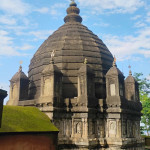
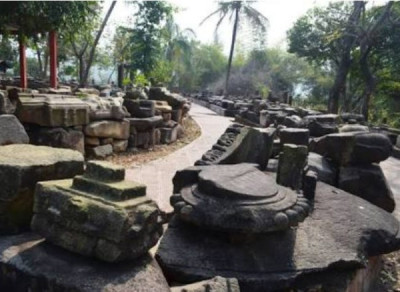
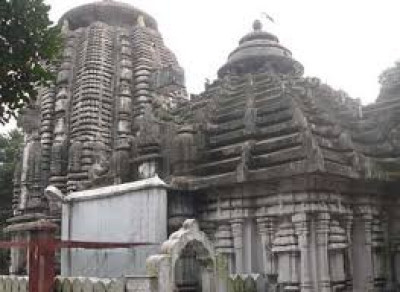
The existing structures were built over the remains of earlier stone temple foundations, making the site important not only as a place of worship but also as an archaeological heritage location. The hilltop temple features a triratha plan and a mandapa, with representations of different forms of Lord Vishnu on its exterior walls.
Mythology and Origin of the Name
The name Aswaklanta is traditionally associated with the Sanskrit words "Ashwa", meaning horse, and "Klanta", meaning tired or exhausted.
According to a popular Hindu legend, Lord Krishna was travelling to confront the demon Narakasura when his horse became exhausted at this location. The traditional story is associated with the name Aswaklanta and has contributed greatly to the temple's religious identity.
Another local interpretation connects the name with an incident in which Krishna's horse was attacked or became tired during the journey. These are traditional accounts rather than independently documented historical events, but they remain an important part of the cultural heritage associated with the temple.
Deities Worshipped at Aswaklanta Temple
The temple complex is dedicated to Lord Vishnu and contains two principal forms associated with the site.
The lower shrine is known as the Kurma Janardana temple and is associated with the Kurma, or tortoise, incarnation of Vishnu. The upper shrine is the Aswaklanta Temple or Anantasayi Vishnu temple, where the important image of Vishnu reclining on the serpent Ananta is preserved.
The Anantasayi Vishnu sculpture is especially significant because it is regarded as an outstanding example of 11th-century art. The combination of the later temple structure with much older sculptures and archaeological remains makes Aswaklanta an interesting destination for visitors who want to explore Assam's religious and artistic history.
Architecture and Archaeological Importance
Aswaklanta Temple is more than a conventional pilgrimage site. Its architecture and surviving sculptures provide evidence of different periods of religious and artistic development in the region.
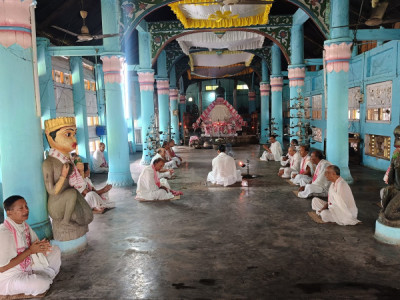
The hilltop temple has a traditional structural design with a mandapa and a sanctum containing the Anantasayi Vishnu image. Sculptures representing forms of Vishnu can be seen on the temple walls. Older stone elements found around the complex further contribute to its archaeological value.
The presence of two temples at different elevations also gives the site a distinctive layout. Visitors can explore the lower Kurma Janardana shrine before proceeding towards the upper temple.
What to See at Aswaklanta Temple?
Anantasayi Vishnu
One of the most important attractions is the ancient image of Anantasayi Vishnu, depicting Lord Vishnu reclining on the serpent Ananta. The sculpture is considered an important example of medieval Assamese art and is one of the main reasons the site attracts history and heritage enthusiasts.
Kurma Janardana Temple
The lower-level shrine is associated with Kurma Janardana, representing the Kurma incarnation of Lord Vishnu. It forms an important part of the religious and architectural layout of the Aswaklanta complex.
Ancient Stone Sculptures and Inscriptions
Visitors can observe historic stone sculptures, architectural fragments and an inscription associated with the temple. The site preserves evidence of earlier periods of construction and religious activity.
Rock-Cut Caves
Two rock-cut caves are also recorded as part of the Asvakranta archaeological site. Their presence adds another layer of historical interest to this riverside heritage location.
Brahmaputra River Views
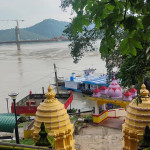
The temple's position beside the Brahmaputra is one of its most appealing features. Visitors can enjoy views of the river and the surrounding landscape, particularly during the quieter hours of the day.
History of the Sacred Kunda
Historical accounts mention that a kunda, or sacred place associated with ritual activity, once existed near the temple. Over time, the Brahmaputra eroded the area and the kunda no longer survives.
The story of the lost kunda illustrates how the changing course and erosion of the Brahmaputra have influenced the landscape around North Guwahati over the centuries.
Timings and Entry Fee
Aswaklanta Temple is commonly listed as being open from approximately 7:00 AM to 5:00 PM, with entry generally free. Temple activities and access arrangements can change during festivals or special religious occasions, so visitors should confirm the latest local timings before travelling.
A visit of around 1 to 2 hours is generally sufficient to explore the temple complex, observe the sculptures and enjoy the riverside surroundings.
Best Time to Visit Aswaklanta Temple
October to March is generally a comfortable period to visit Aswaklanta Temple because the weather in Guwahati and North Guwahati is more suitable for sightseeing.
Early morning is suitable for visitors looking for a peaceful atmosphere and softer light around the river. Late afternoon can also be pleasant, especially for visitors interested in the Brahmaputra views and sunset.
Important religious occasions can attract additional devotees and visitors. Janmashtami and Ashokashtami are associated with the temple's religious traditions, while visitors interested in festivals should check the current local schedule before planning their trip.
How to Reach Aswaklanta Temple from Guwahati?
By Road: Aswaklanta Temple can be reached from Guwahati by road by crossing the Brahmaputra towards North Guwahati. The historic Saraighat Bridge has traditionally been one of the principal road routes to the northern bank.
North Guwahati now also benefits from the Kumar Bhaskar Varma Setu, which was inaugurated in February 2026 and provides another major road connection between Guwahati and North Guwahati. This gives visitors an additional option when planning a road journey to the temple.
After reaching North Guwahati, visitors can continue towards the Aswaklanta Temple area by taxi, auto-rickshaw or local transport.
By Ferry: The Brahmaputra provides another traditional way to reach the temple area. Ferry and passenger boat services connect different ghats on the Guwahati side with North Guwahati.
Water transport can provide a scenic approach to Aswaklanta, but ferry routes, operating hours and boarding points can change. Visitors should check the current service before travelling.
By Air: Visitors arriving at Lokpriya Gopinath Bordoloi International Airport can hire a taxi or app-based cab towards North Guwahati. The actual travel time depends on the route and traffic conditions.
By Train: Travellers arriving at Guwahati Railway Station can continue towards North Guwahati by taxi, auto-rickshaw or other local transport. The road route requires crossing the Brahmaputra before continuing towards the temple.
Guwahati Ropeway and River Tourism
The Brahmaputra has also been identified for religious tourism initiatives connecting several historic temples by waterways, including Aswaklanta Temple. The proposed riverine religious tourism circuit includes Kamakhya, Pandunath, Aswaklanta, Doul Govinda, Umananda, Chakreshwar and Auniati Satra.
Visitors should distinguish such tourism initiatives from regular public ferry services and verify the current operating arrangements before planning a journey specifically around a river tourism circuit.
Where to Stay Near Aswaklanta Temple?
Visitors can stay in Guwahati and travel to North Guwahati for a day visit to Aswaklanta Temple. Accommodation is available in different parts of Guwahati, including areas around Jalukbari, Adabari, Maligaon and central Guwahati.
For travellers planning to explore several North Guwahati attractions, staying on the northern side of the city can also be convenient. Guwahati is generally the better choice for visitors who want access to a wider selection of hotels, restaurants and transportation services.
Places to Visit Near Aswaklanta Temple
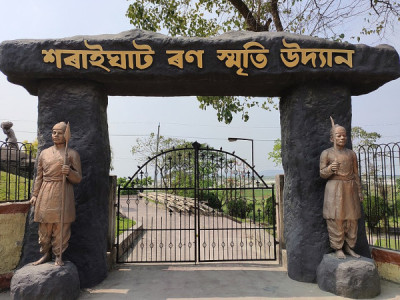
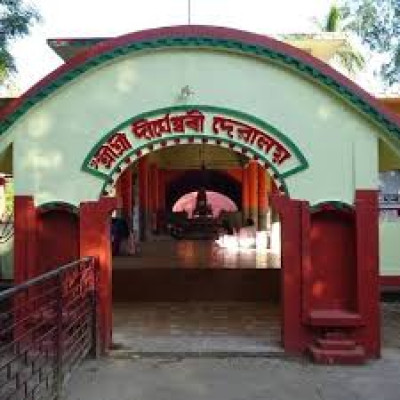
Aswaklanta Temple can be included in a North Guwahati sightseeing route covering several historic and religious destinations. Depending on available time, visitors can explore Doul Govinda Temple, Dirgheswari Temple, Manikarneswar Temple, Rudreswar Temple and other heritage sites in the area.
The wider Guwahati region also offers attractions such as Kamakhya Temple, Umananda Temple and other cultural and religious destinations.
Travel Tips for Visiting Aswaklanta Temple
Visit during the morning or late afternoon for a more comfortable sightseeing experience.
Wear comfortable footwear because parts of the temple complex involve walking and steps.
Carry drinking water, particularly during warmer months.
Dress respectfully because the site is an active place of worship.
Avoid touching or damaging ancient sculptures, inscriptions and archaeological remains.
Do not litter around the temple or Brahmaputra riverbank.
Check ferry and local transport schedules before choosing the water route.
During religious festivals, expect larger crowds and allow additional time for darshan.
Why Visit Aswaklanta Temple?
Aswaklanta Temple offers a distinctive combination of religion, mythology, archaeology and river scenery. Its connection with Lord Vishnu, the traditional story associated with its name, the 18th-century Ahom-era construction and the much older sculptures make it an important heritage destination in North Guwahati.
The Anantasayi Vishnu sculpture, Kurma Janardana shrine, ancient stone remains, rock-cut caves and Brahmaputra setting give visitors several reasons to explore the site beyond its religious importance.
For travellers interested in Assam's temples and historical monuments, Aswaklanta provides an opportunity to experience a lesser-known part of Guwahati's cultural landscape while enjoying the peaceful surroundings of the Brahmaputra.
Quick Info About Aswaklanta Temple
| Information | Details |
|---|---|
| Tourist Place | Aswaklanta Temple |
| Also Known As | Aswakranta Devalaya |
| Location | North Guwahati, Assam |
| River | Brahmaputra River |
| District | Kamrup |
| Main Deity | Lord Vishnu |
| Main Shrines | Anantasayi Vishnu and Kurma Janardana |
| Construction | 1720 AD |
| Ahom King | Swargadeo Siva Singha |
| Temple Type | Hindu Vishnu Temple |
| Archaeological Importance | Yes |
| Famous For | Anantasayi Vishnu sculpture and riverside setting |
| Timings | Commonly 7:00 AM - 5:00 PM |
| Entry Fee | Generally free |
| Best Time | October to March |
| Recommended Duration | 1-2 hours |
| Main Access | Road and ferry |
| Nearest Major City | Guwahati |
| Nearby Attraction | Doul Govinda Temple and other North Guwahati heritage sites |
FAQs About Aswaklanta Temple, Guwahati
Where is Aswaklanta Temple located?
Aswaklanta Temple is located in North Guwahati on the northern bank of the Brahmaputra River in Assam. It is situated in a scenic riverside area and is accessible from Guwahati by road and water transport.
Which god is worshipped at Aswaklanta Temple?
Aswaklanta Temple is dedicated to Lord Vishnu. The complex includes the Anantasayi Vishnu shrine at the hilltop and the Kurma Janardana shrine at the lower level.
Why is Aswaklanta Temple famous?
The temple is known for its connection with Lord Vishnu, its association with the legend of Lord Krishna's tired horse, its Ahom-era history, ancient sculptures and its scenic location beside the Brahmaputra River.
When was Aswaklanta Temple built?
The present temple is traditionally associated with the reign of Ahom King Swargadeo Siva Singha and is dated to 1720 AD. The archaeological site also contains remains and sculptures from earlier periods.
What does the name Aswaklanta mean?
Aswaklanta is traditionally explained using the Sanskrit terms Ashwa, meaning horse, and Klanta, meaning tired or exhausted. The name is associated with a legend involving Lord Krishna's horse.
What is the Anantasayi Vishnu idol at Aswaklanta Temple?
Anantasayi Vishnu is a representation of Lord Vishnu reclining on the serpent Ananta. The sculpture at Aswaklanta is regarded as an important example of 11th-century art.
What are the timings of Aswaklanta Temple?
The commonly published visiting hours are around 7:00 AM to 5:00 PM. Visitors should confirm the current schedule locally because timings can change during festivals or special ceremonies.
How can I reach Aswaklanta Temple from Guwahati?
Visitors can reach the temple by road through the Brahmaputra crossings to North Guwahati or use available ferry services. The newer Kumar Bhaskar Varma Setu also provides an additional road connection between Guwahati and North Guwahati.
What is the best time to visit Aswaklanta Temple?
October to March is generally a comfortable period for visiting the temple. Early mornings and late afternoons are particularly pleasant for exploring the complex and enjoying the Brahmaputra views.
Is Aswaklanta Temple a historical or archaeological site?
Yes. The Assam Directorate of Archaeology identifies the Asvakranta Temple Archaeological Site as containing two Vishnu temples, two rock-cut caves and important architectural remains. The site is therefore significant for both religious and archaeological heritage.
Conclusion
Aswaklanta Temple is one of the important heritage and religious destinations of North Guwahati. Built during the Ahom period and associated with Lord Vishnu, the temple combines ancient sculpture, traditional mythology, archaeological remains and a beautiful Brahmaputra riverside setting.
A visit to Aswaklanta Temple allows travellers to explore the Kurma Janardana shrine, Anantasayi Vishnu temple, historic stone remains and the surrounding landscape. Its location also makes it suitable for inclusion in a broader North Guwahati temple and heritage tour.