In Depth
The village lies beside the Gadadhar River, a tributary of the mighty Brahmaputra, which historically served as a vital transport route for marketing pottery across Assam and beyond. Surrounded by fertile riverbanks, Asharikandi benefits from abundant deposits of Hiramati clay, the soul of its terracotta art. This special clay, combined with generations of artisanal skill and favorable climatic conditions, gives Asharikandi pottery its distinct texture, durability, and aesthetic appeal.
History and Cultural Heritage
The name Asharikandi comes from two Assamese words, Ashar and Kandi. Ashar refers to the third month of the Assamese calendar, while Kandi means 'shedding tears'. During this month, heavy monsoon rains flood the low-lying land, often damaging pottery stock and causing hardship for artisans. Despite these challenges, the village flourished due to easy access to raw materials, river transport, and strategic trade routes along the Brahmaputra.
The craft tradition began in the early 19th century when families from East Bengal migrated here and continued their ancestral profession. Most artisans belong to the Paul community (Kumar or potter), and their skills have been passed down through generations. Today, Asharikandi holds a pivotal position in India's terracotta and pottery markets, earning both national and international recognition.
Terracotta Craft Process
Asharikandi artisans use a traditional and eco-friendly production method that has remained largely unchanged for centuries:
-
Clay Collection: Hiramati clay is collected from nearby riverbanks using simple tools.
-
Preparation: The clay is soaked overnight, cleaned with bamboo tools called khota, and kneaded by hand and foot under sunlight to achieve elasticity.
-
Mixing: Water, sand, and caustic soda are added to prevent cracking during firing.
-
Shaping: Artisans use tools like boila and pitna, along with knives for carving fine designs.
-
Drying: Products are sun-dried for several days.
-
Finishing: A powder made from red clay called Kabish is applied.
-
Firing: Finally, items are baked in traditional kilns to achieve their signature terracotta finish.
Products and Artistic Excellence
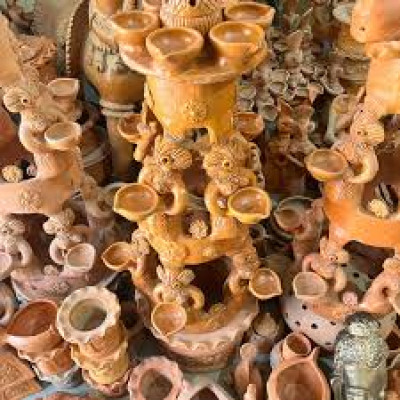
Asharikandi produces a wide variety of terracotta and pottery items including kitchen utensils, ritual vessels, incense burners, toys, decorative figurines, idols of gods and goddesses, animal figures, and statues of eminent personalities. The most iconic creation is the Hatima doll, also known as the mother and child doll, which depicts a woman with elephant-like ears holding her child on her lap.
In 1982, the late Sarada Bala Devi received the President's Award for her innovative Hatima doll, bringing nationwide fame to Asharikandi craftsmanship. Other renowned artisans include Dhirendra Nath Paul, Mahadev Paul, Gokul Paul, and Ashwini Paul, whose works continue to elevate the village's artistic reputation.
Economy, Tourism, and Government Support
Terracotta and pottery are the primary livelihoods of Asharikandi families today, unlike earlier times when it was a part-time occupation. Artisans now sell their products at trade fairs, exhibitions, rural haats, and through resellers who purchase directly from village homes. Visitors can walk through artisan lanes, watch live demonstrations, buy handcrafted items, and interact with craftsmen.
Recognizing its tourism potential, the Government of Assam declared Asharikandi a model village and included it under rural tourism development projects. Organizations such as NECARDO (North East Craft and Rural Development Organisation), ATAPDC, and ATDMSS Ltd have played key roles in craft revival, training, infrastructure development, and socio-economic upliftment.
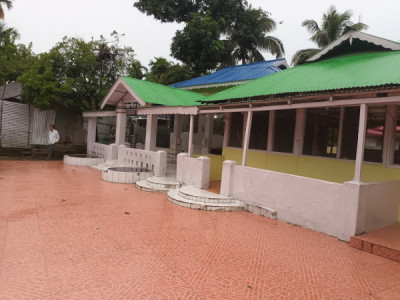
Under the Government of India and UNDP Rural Tourism Scheme, the village received major infrastructure upgrades including entry gates, artisan huts, work sheds, showrooms, a community hall, interpretation center, park, statues, restaurant, and public facilities. These initiatives have generated employment for nearly 400 artisans directly and supported around 1,000 people indirectly, strengthening the village economy and promoting sustainable tourism.
Prime Minister Narendra Modi also highlighted Asharikandi terracotta on his radio program Mann Ki Baat, further boosting its national visibility.
How to Reach Asharikandi
By Air: The nearest airport is Lokpriya Gopinath Bordoloi International Airport, Guwahati, about 190 to 215 km away.
By Train: The nearest railway station is Dhubri Railway Station, around 14 km from Asharikandi.
By Road: Asharikandi is well connected by road from Dhubri (14 km) and Gauripur (7 km). Regular taxis, buses, and private vehicles can reach the village easily.
Best Time to Visit Asharikandi
The best time to visit Asharikandi is from October to March, when the weather is pleasant and suitable for village walks, craft exploration, and shopping. Monsoon months (June to September) bring heavy rainfall and flooding, which can disrupt pottery production and travel.
Where to Stay at Asharikandi
Asharikandi has limited accommodation options. Visitors are advised to stay in Dhubri town or nearby Gauripur, where hotels, guesthouses, and lodges are available. Those traveling from afar may also choose to stay in Guwahati and plan a day trip.
Quick Info Table on Asharikandi
| Category | Details |
|---|---|
| Location | Dhubri district, Assam, India |
| Distance from Dhubri | 14 km |
| Distance from Gauripur | 7 km |
| Distance from Guwahati | 190 to 215 km |
| Famous For | Terracotta and pottery crafts |
| Signature Product | Hatima doll (mother and child doll) |
| Main Raw Material | Hiramati clay |
| Best Time to Visit | October to March |
| Major Community | Paul (Kumar or potter) community |
| Tourism Status | Declared model craft village by Govt of Assam |
FAQs on Asharikandi
1. Where is Asharikandi Terracotta Village located?
Asharikandi is located in the Dhubri district of Assam, about 14 km from Dhubri town and 7 km from Gauripur.
2. Why is Asharikandi famous?
Asharikandi is famous for its traditional terracotta and pottery craft, especially the iconic Hatima doll and handmade clay utensils.
3. What is the Hatima doll of Asharikandi?
The Hatima doll is a terracotta sculpture depicting a mother with elephant-like ears holding her child and is the most popular artifact of the village.
4. Which clay is used in Asharikandi terracotta?
Artisans use a special type of clay called Hiramati, found along nearby riverbanks, which gives the products their distinctive quality.
5. How old is the terracotta tradition in Asharikandi?
The terracotta tradition in Asharikandi dates back to the early 19th century and has been passed down through generations.
6. What products are made in Asharikandi village?
Products include kitchenware, ritual items, incense burners, toys, idols, animal figurines, decorative pieces, and terracotta dolls.
7. What is the best time to visit Asharikandi?
The best time to visit is between October and March when the weather is pleasant and travel conditions are favorable.
8. Can tourists watch terracotta making in Asharikandi?
Yes, visitors can watch artisans shape, dry, and fire clay products and can also buy items directly from their homes and workshops.
9. Who was Sarada Bala Devi of Asharikandi?
Sarada Bala Devi was a master artisan who won the President's Award in 1982 for her innovative Hatima doll.
10. Are there tourism facilities in Asharikandi village?
Yes, the village has artisan huts, showrooms, a community hall, interpretation center, restaurant, and basic tourist amenities.