In Depth
History and Origin of Adi Alengi Satra
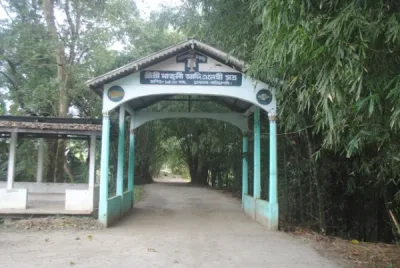
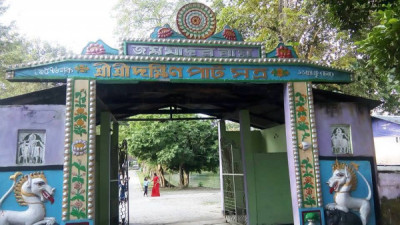
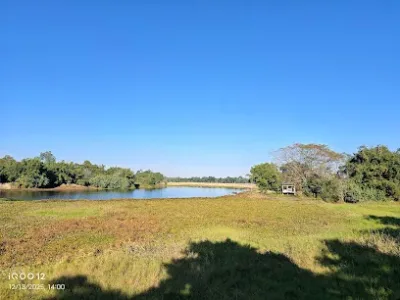
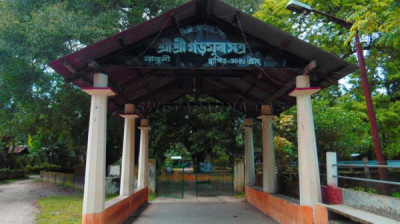
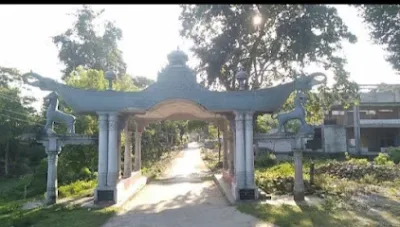
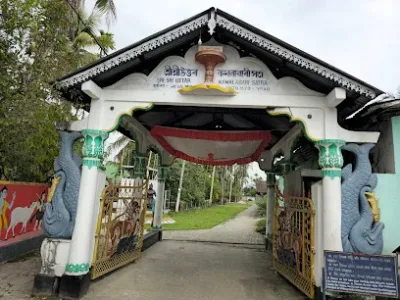
Adi Alengi Satra is believed to have been established around 1616 by Sri Sri Bapu Krishnadeva. Its name is associated with the nearby Alengi Lake, which is considered an important geographical reference in the history of the institution. The Satra developed as part of the Ekasarana Naam Dharma tradition and became associated with the Purush Samhati order.
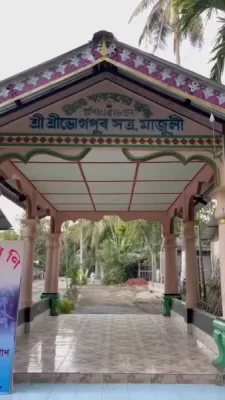
Over time, other institutions carrying the Alengi name emerged in Majuli. These include Bor Alengi Satra and Alengi Narasingha Satra. Although they share historical and religious connections, they should not automatically be treated as the same institution. Adi Alengi Satra is recognised as the original Alengi Satra, while the other establishments have their own histories and developments.
Religious Beliefs and Grihasti Tradition
One of the distinctive features of Adi Alengi Satra is its Grihasti tradition. Unlike Udasin Satras, which follow a celibate monastic lifestyle, the Grihasti system allows the Satradhikar and members associated with the institution to maintain family lives. This tradition reflects a different approach to spiritual practice within Assam's neo-Vaishnavite movement.
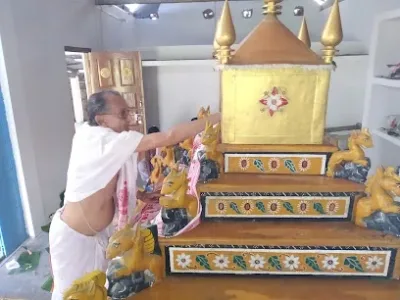
The Satra is associated with the worship of Sri Sri Shyamrai, while Bor Alengi Satra follows the worship of Lord Krishna, also known as Gopal. Devotional activities and religious gatherings remain central to the identity of these institutions.
Cultural Heritage, Music and Festivals
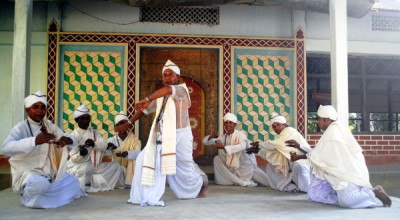
Adi Alengi Satra is known for its association with Sattriya Sangeet and traditional devotional performances. Its religious practices include Sankirtan, Utha Naam, Tini Kirtan, Gayan Bayan, Bairagi Naam and Ghosha Kirtan. These forms combine prayer, music, rhythm and collective participation, helping preserve the distinctive devotional culture of Majuli.
Bor Alengi Satra also observes important Vaishnavite occasions, including Janmashtami, Falgutsav and Guru Tithis. Such celebrations bring devotees together and provide an opportunity to experience the island's traditional religious practices.
Bor Alengi Satra and River Erosion
Bor Alengi Satra has experienced the challenges of recurring river erosion, a major concern for many communities and religious institutions across Majuli. Changes in the Brahmaputra's course have affected settlements and Satra properties over the years. Despite these difficulties, the institution has continued to maintain its religious identity under the management of a committee led by the Satradhikar.
How to Reach Alengi Satra
Visitors can first travel to Jorhat by air, train or road. From Jorhat, proceed to Nimati Ghat and take a ferry across the Brahmaputra to Majuli, commonly towards the Kamalabari side. Ferry schedules can change due to weather and river conditions, so check the latest service information before travelling. After reaching the island, hire a local taxi or auto-rickshaw to reach the relevant Alengi Satra location. Confirm the exact location with your local driver, as different Alengi institutions are situated in different parts of Majuli.
Where to Stay
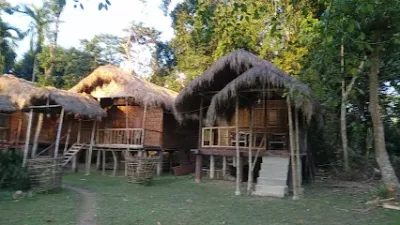
There may not be a dedicated commercial hotel immediately beside Alengi Satra. Visitors can consider homestays, guest houses and bamboo cottages in areas such as Garamur, Kamalabari and Jengraimukh. Booking accommodation in advance is advisable, particularly during festivals and the peak tourist season.