Detailed Notes
In Assamese weddings, Pani Tula and Nuani are two sacred rituals that symbolize purity, blessings, and preparation for marital life.
Pani Tula (Fetching of Sacred Water)
-
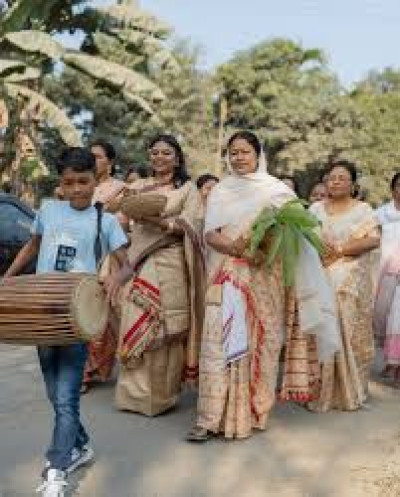
Pani Tula means “fetching water.”
-
Women of the household go to a nearby pond or river early in the morning to collect water in earthen or brass pots.
-
Traditional rituals, mantras, and ululations accompany the collection.
-
The water is considered holy and is used for the Nuani ceremony (ritual bath) of the bride and groom.
Nuani (Sacred Bathing Ceremony)
-
Nuani is the ceremonial bath of the bride and groom, held before the wedding.
-
Family members, relatives, and neighbors apply turmeric paste (holud) on the bride/groom, symbolizing purification and glowing beauty.
-
The sacred water from Pani Tula is poured over them to cleanse and bless.
-
It is believed to wash away negativity and prepare the couple for a new chapter of life.
Cultural Significance of Pani Tula and Nuani Tradition
-
Both rituals highlight the Assamese belief in purity, blessings, and divine protection.
-
They strengthen community ties, as relatives and neighbors actively take part.
-
The joyous songs (Biya Naam) sung by women during these ceremonies add to the festive spirit.