Detailed Notes
Meaning of Kaaj in Assamese Tradition
-
The word Kaaj literally means “work” or “ceremony”, but in this context, it refers to the final funeral rites performed to honor the deceased.
-
It is often compared to the Hindu Shraddha ceremony, symbolizing the completion of the soul’s journey and the family’s release from mourning restrictions.
When Is Kaaj Performed?
-
Kaaj is generally observed on the 11th, 13th, or sometimes the 17th day after death, depending on family custom and guidance from the priest.
-
The exact day may vary, but its essence lies in bringing spiritual closure.
Rituals of Kaaj Ceremony
-
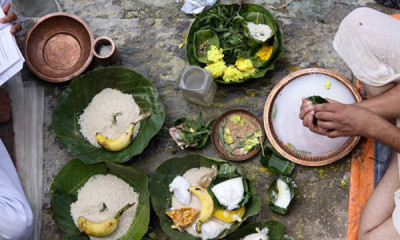
Priest-led puja with mantras, offerings of rice, sesame seeds, flowers, and water.
-
Pinda daan (offering of food balls to ancestors) is often performed.
-
Community feast (paaka shaad) where relatives, neighbors, and villagers are invited to share food in memory of the deceased.
-
Distribution of clothes or essentials among the needy as a form of charity.
Beliefs Behind Kaaj
-
It is believed that the soul attains peace and unites with ancestors after Kaaj is performed.
-
The ceremony lifts mourning restrictions for the family, allowing them to resume normal life.
-
Kaaj also reinforces community bonding and ensures blessings for the living family members.
Conclusion
The Kaaj ritual in Assamese culture is one of the most significant post-death ceremonies, observed after the initial rites. It symbolizes final purification, remembrance, and spiritual closure for the departed soul. For Assamese families, Kaaj is not only a religious obligation but also a tradition that strengthens cultural identity and community harmony.