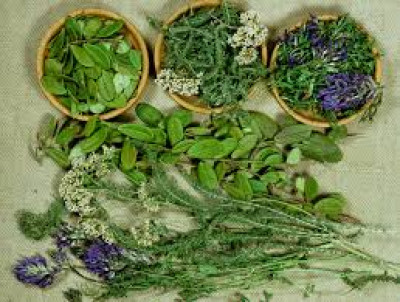
Detailed Notes
The Assamese system of traditional wellness follows a holistic approach, where health is viewed as a balance between the body, mind, environment, and spiritual harmony. Remedies are not only used for curing diseases but also for prevention, recovery, and strengthening immunity.
Common Traditional Assamese Remedies and Their Uses
Traditional Assamese medicine makes extensive use of plants that grow naturally in the region. These remedies are usually prepared as pastes, juices, decoctions, powders, or external applications.
Turmeric (Halodhi)
Turmeric is widely used for its anti-inflammatory and antiseptic properties. It is applied as a paste for skin infections, wounds, and minor injuries. Internally, turmeric mixed with warm milk is taken during colds or body pain.
Neem
Neem leaves, bark, and oil are used to treat skin diseases, fungal infections, and blood purification. Bathing in neem-infused water is a common practice for maintaining skin health.
Ginger (Ada)
Ginger is a trusted remedy for cough, cold, indigestion, and sore throat. It is often mixed with honey or tulsi juice and consumed during seasonal illnesses.
Tulsi (Holy Basil)
Tulsi is considered a sacred plant and a powerful medicinal herb. Its juice is used for fever, respiratory infections, earaches, and eye irritation. Tulsi tea is commonly consumed for immunity building.
Gooseberry (Amlokhi)
Rich in Vitamin C, gooseberry is used to boost immunity, improve digestion, and treat coughs. It is often consumed raw, dried, or as juice.
Ashwagandha
Ashwagandha is valued for reducing stress, improving strength, and enhancing immunity. It is usually taken as a powder mixed with warm milk or water.
Baahak (Adhatoda vasica)
Baahak leaf juice mixed with honey is traditionally used to relieve asthma, bronchitis, and other respiratory conditions.
Durun Bon
Durun bon is used both internally and externally. Its juice is applied to wounds, used for sinus issues, and taken for respiratory relief.
Traditional Preparation Methods
Traditional Assamese remedies follow simple preparation techniques using natural ingredients.
-
Pastes (Lep): Crushed herbs applied directly to wounds, fractures, and skin infections
-
Juices and Decoctions: Extracted plant juices mixed with honey, water, or milk
-
Powders: Dried herbs ground and consumed with water or rice
-
Poultices: Warm herbal wraps applied to joints or injured areas
These methods preserve the natural potency of the herbs.
Assamese Wellness Practices and Lifestyle Habits
Beyond herbal medicine, Assamese wellness practices emphasize daily habits that support long-term health.
Diet and Nutrition
Fresh seasonal fruits like papaya, outenga, kordoi, and rohdoi are widely consumed. Warm, home-cooked meals and minimal processed food form the core of traditional diets.
Rest and Fresh Air
Adequate sleep and exposure to fresh air are considered essential for mental peace and physical recovery. Early rising and balanced daily routines are common.
Holistic and Spiritual Practices
Ritual cleansing, prayer, and stress management play an important role, especially in maternal health and emotional well-being.
Preventive Care
Traditional remedies are often used at the first sign of illness to prevent conditions from worsening.
Tribal Contributions to Assamese Folk Medicine
Many Assamese tribes such as Deori, Karbi, Mising, and Bodo communities have preserved detailed medicinal knowledge. Plants like manimuni, bhedailata, narasingha, nephaphu, and harjura are used for treating body pain, digestion issues, high blood pressure, and bone injuries.
This community-based knowledge is passed orally from generation to generation and remains a vital part of Assams cultural heritage.
Cultural Importance of Traditional Assamese Remedies
Traditional Assamese remedies are more than medical practices. They represent sustainability, self-reliance, and harmony with nature. The use of locally sourced plants ensures affordability and accessibility while preserving biodiversity and indigenous wisdom.