Detailed Notes
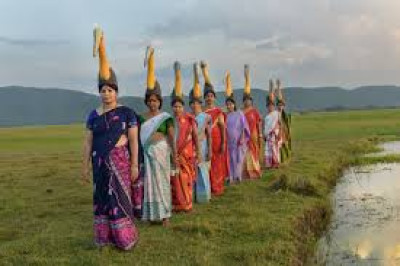
The greater adjutant stork, scientifically known as Leptoptilos dubius, is one of the world's rarest storks and has long faced threats due to habitat loss, pollution, and negative perceptions among local communities. Traditionally considered a bad omen, the bird was often neglected and its nesting trees destroyed. To address this issue, Dr Barman mobilized local women and created the Hargila Army to protect the species and change public perception.
Today, the Hargila Army includes over 10,000 to 20,000 women, mostly homemakers, who actively participate in conservation activities. Their work involves protecting nesting trees, rescuing injured or fallen chicks, and spreading awareness through cultural programs. Unique initiatives such as organizing baby shower ceremonies for hatchlings and integrating the bird into local traditions, songs, and weaving practices have helped transform the bird's image into a symbol of pride.
The impact of this movement has been remarkable. The number of nesting sites has increased significantly, making Assam home to one of the largest breeding colonies of the greater adjutant stork. Dr Barman's efforts have received global recognition, including the Champions of the Earth Award and the Whitley Gold Award, highlighting the success of this community-driven conservation model.