Detailed Notes
Overview of Tea Cultivation in Assam
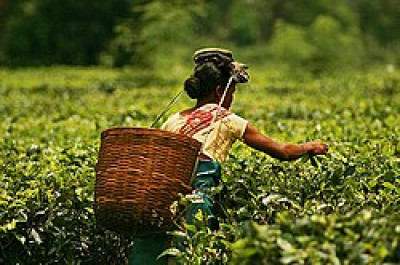
Tea cultivation in Assam began in the nineteenth century and gradually expanded across Upper Assam, Central Assam, Lower Assam, and Southern Assam. Today, Assam contributes a major share of India's total tea production and is globally famous for its strong, malty, and full-bodied tea.
The distribution of tea gardens districtwise reflects variations in climate, soil quality, rainfall, and altitude. Most large and historically significant tea estates are concentrated in Upper Assam, while many other districts host medium and small tea gardens.
Major Tea-Growing Districts of Assam
Dibrugarh District
Dibrugarh is widely known as the Tea City of India. It has the highest number of tea gardens in Assam and serves as the administrative and commercial hub of the tea industry. Many world-famous tea estates are located here, making it the backbone of Assam tea production.
Tinsukia District
Tinsukia ranks second in terms of the number of tea gardens. It forms part of the core tea belt of Upper Assam and plays a crucial role in both orthodox and CTC tea manufacturing.
Jorhat District
Jorhat is often called a tea lover's paradise. The district is home to several historic tea estates and research institutions related to tea cultivation and quality improvement.
Sivasagar District
Sivasagar has a strong tea-growing tradition and contributes significantly to Assam's total tea output. Many estates here are among the oldest in the region.
Golaghat District
Golaghat district hosts a large number of tea gardens and is also known for eco-friendly tea estates located near forest and wildlife zones.
Other Important Tea-Producing Districts
-
Sonitpur District: Known for large tea estates, including one of the biggest tea estates in Asia.
-
Cachar District: A major tea-producing region in Southern Assam with distinct tea characteristics.
-
Karimganj and Hailakandi Districts: Important contributors to Barak Valley tea production.
-
Nagaon District: Hosts several medium-sized tea estates.
-
Udalguri and Baksa Districts: Emerging tea regions in Bodoland Territorial areas.
Districts with Limited or No Tea Gardens
Some districts like Chirang, Barpeta, Nalbari, and a few others have either very few or no operational tea gardens due to geographical and climatic factors.
Districtwise Tea Gardens in Assam (Count and Names)
District Approximate Number of Tea Gardens Major / Notable Tea Gardens Dibrugarh 170+ Cinnamara, Mokalbari, Mancotta, Chabua, Tingkhong Tinsukia 150+ Halmari, Doom Dooma, Kakopathar, Margherita Jorhat 135+ Cinnamara Extension, Teok, Kakojan, Meleng Sivasagar 90+ Nahorhabi, Lakwa, Amguri, Nazira Golaghat 120+ Kaziranga, Hathikuli, Rungagora, Behora Sonitpur 110+ Monabarie, Durrung, Haleshwar Nagaon 60+ Raha, Kampur, Barhampur Cachar 100+ Silcoorie, Rosekandy, Borjan Karimganj 45+ Chargola, Patharia, Nilbagan Hailakandi 35+ Katlicherra, Algapur
| District | Approximate Number of Tea Gardens | Major / Notable Tea Gardens |
|---|---|---|
| Dibrugarh | 170+ | Cinnamara, Mokalbari, Mancotta, Chabua, Tingkhong |
| Tinsukia | 150+ | Halmari, Doom Dooma, Kakopathar, Margherita |
| Jorhat | 135+ | Cinnamara Extension, Teok, Kakojan, Meleng |
| Sivasagar | 90+ | Nahorhabi, Lakwa, Amguri, Nazira |
| Golaghat | 120+ | Kaziranga, Hathikuli, Rungagora, Behora |
| Sonitpur | 110+ | Monabarie, Durrung, Haleshwar |
| Nagaon | 60+ | Raha, Kampur, Barhampur |
| Cachar | 100+ | Silcoorie, Rosekandy, Borjan |
| Karimganj | 45+ | Chargola, Patharia, Nilbagan |
| Hailakandi | 35+ | Katlicherra, Algapur |
Key Highlights of Districtwise Tea Gardens in Assam
-
Upper Assam forms the core tea-producing belt
-
Dibrugarh has the highest concentration of tea estates
-
Tea gardens are spread across more than 25 districts
-
Assam tea supports lakhs of livelihoods
-
Tea cultivation shapes Assam's economy and culture
Upper Assam districts like Dibrugarh, Tinsukia, Jorhat, Sivasagar, and Golaghat form the core tea belt
-
Barak Valley districts (Cachar, Karimganj, Hailakandi) have a distinct tea identity
-
Numbers may vary slightly due to mergers, closures, or small tea grower registrations