Detailed Notes
Assam Solar Energy Mission: Target of 3,500 MW Clean Power by 2030
The mission focuses on a multi-pronged development strategy, which includes utility-scale solar parks, grid-connected rooftop solar systems, and decentralized solar solutions for rural and remote areas. It also promotes net metering, allowing households and institutions to offset grid electricity consumption through rooftop installations. Residential consumers can install rooftop systems up to 10 kW without complex approvals, making solar adoption easier and more affordable.
Institutional Support and Implementation
The Assam Solar Energy Mission is supported by key agencies such as the Assam Energy Development Agency (AEDA), Assam Power Distribution Company Limited (APDCL), and technical institutions like TERI, with infrastructure and storage projects backed by the Asian Development Bank (ADB). Both public sector undertakings and private developers are actively engaged to accelerate solar capacity addition across districts.
Major solar projects under the mission include developments like the 70 MW Amguri Solar Park, along with solar initiatives in regions such as Majuli, reflecting the state's geographical readiness for renewable energy deployment.
Rooftop Solar and Public Infrastructure
A key focus area of the mission is promoting rooftop solar installations on government buildings, educational institutions, healthcare facilities and public infrastructure. These projects aim to reduce electricity costs for public services while demonstrating the economic viability of clean energy solutions at the grassroots level.
Rural, Agricultural and Decentralized Solar Solutions
The mission prioritizes rural electrification and agricultural solar solutions, including solar pumps for irrigation, home lighting systems for remote villages, and solar cold storage facilities for farmers. These applications improve energy access, reduce diesel dependency and strengthen rural livelihoods.
Environmental and Economic Impact
By expanding solar power, Assam aims to lower greenhouse gas emissions and transition towards a low-carbon economy, in line with India's national climate commitments. The mission is also expected to generate employment opportunities, especially for local youth, technicians and entrepreneurs involved in installation, maintenance and allied services.
Strengthening Energy Infrastructure
The state government is strengthening transmission and distribution networks to support higher renewable energy penetration and exploring hybrid renewable models that integrate solar with other clean energy sources. Investor-friendly policies, simplified approvals and grid upgrades are being implemented to attract large-scale investments.
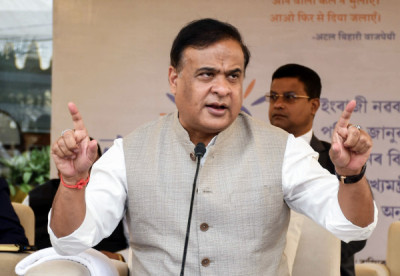
Chief Minister Himanta Biswa Sarma has emphasized that the Assam Solar Energy Mission is not just about megawatts but about building a resilient, future-ready and sustainable energy system. With a clear roadmap to achieve 3,500 MW of solar capacity by 2030, Assam is positioned to emerge as a leading renewable energy state in the Northeast, benefiting both present and future generations.