Detailed Notes
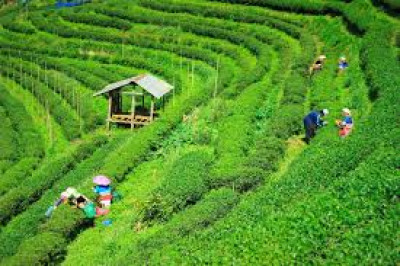
The popularity of Assam tea gardens is determined by several factors such as tea quality, auction records, size of the estate, historical significance, sustainable practices, and visitor experiences. Below is a carefully curated overview of ten tea gardens that have earned widespread recognition over the years.
1. Halmari Tea Estate
Halmari Tea Estate is one of the most respected names in the Assam tea industry. Known for producing premium Orthodox and CTC teas, the estate consistently attracts high bids at tea auctions. Its focus on quality control, skilled craftsmanship, and year-round availability has made it popular both in India and internationally.
2. Mangalam Tea Estate
Located in Sivasagar district, Mangalam Tea Estate is admired for its smooth-textured teas and efficient plantation layout. The estate produces Orthodox, CTC, and Green teas, with its Orthodox varieties enjoying strong demand in European markets. Its award-winning performance has contributed significantly to Assam's tea economy.
3. Corramore Tea Estate
Corramore Tea Estate is known for its scenic beauty and historical roots. Situated in the Bodoland region, the estate combines heritage tea cultivation with picturesque surroundings. Its long-standing production record and favourable climate have made it one of the most visually appealing and well-known tea gardens in Assam.
4. Monabarie Tea Estate
Monabarie Tea Estate holds the distinction of being the largest tea garden in Asia. Spread across a vast area, it plays a crucial role in Assam's tea production volume. The estate is famous for its bright liquor teas and well-managed infrastructure, making it a landmark in Assam's tea landscape.
5. Amchong Tea Estate
Located near Guwahati, Amchong Tea Estate is popular for its high-quality CTC teas and increasing focus on Orthodox varieties. Its proximity to the city and strong auction demand have made it one of the most commercially successful tea estates in Lower Assam.
6. Sapoi Tea Estate
Sapoi Tea Estate is widely known for offering immersive tea tourism experiences. Apart from producing quality tea, it attracts visitors through plantation stays, factory visits, and organic farming practices. Its blend of hospitality and heritage has enhanced its popularity among tourists.
7. Manohari Tea Estate
Manohari Tea Estate is globally recognised for producing one of the most expensive specialty teas in the world. Its handcrafted Manohari Gold tea has broken multiple auction records, making the estate synonymous with premium and luxury tea from Assam.
8. Nagrijuli Tea Estate
Situated in Baksa district, Nagrijuli Tea Estate is known for its refreshing teas and unique climatic advantages. The estate produces both Orthodox and CTC teas and is admired for its biodiversity-rich environment and sustainable cultivation methods.
9. Nonoi Tea Estate
Nonoi Tea Estate in Nagaon district is notable for its diversified and sustainable operations. It caters to both domestic and international markets and is known for early adoption of eco-friendly practices such as vermicomposting and organic diversification.
10. Jalinga Tea Estate
Located in Cachar district, Jalinga Tea Estate is one of Assam's prominent organic tea producers. Its commitment to chemical-free farming and forest conservation has earned it recognition in national and international markets for organic and specialty teas.
Key Highlights of Popular Tea Gardens in Assam
-
Assam produces some of the world's finest Orthodox and CTC teas
-
Several estates have crossed record-breaking auction prices
-
Tea gardens support tourism, employment, and sustainability
-
Both heritage and modern tea estates contribute to Assam's reputation
-
Organic and specialty tea production is gaining global demand