History & Traditions
Ashokastami Mela – An Ancient Festival of Faith, River Rituals and Harmony in Assam
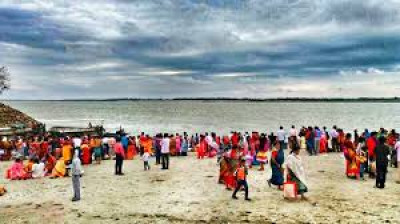
The festival derives its name from two Sanskrit words: Ashoka, meaning sorrowless, and Ashtami, meaning the eighth day. Together, Ashokastami represents the day when grief is believed to be relieved through divine blessings. In Assam, the festival has evolved into a grand religious fair or Mela, especially along the banks of the mighty Brahmaputra River, where thousands of devotees gather to participate in sacred rituals and cultural activities.
Religious and Mythological Significance of Ashokastami
Ashokastami holds a unique position in Hindu mythology. According to ancient legends mentioned in the Puranas, Lord Rama worshipped Lord Shiva and Goddess Shakti on this sacred day when he was unable to defeat Ravana in battle. Pleased with his devotion, Goddess Parvati blessed him, and the following day Lord Rama emerged victorious by slaying Ravana using the Brahmastra. This divine intervention symbolizes the victory of righteousness over evil.
In Assam, Ashokastami is also strongly associated with Lord Vishnu, particularly in Vaishnavite temples such as Aswaklanta Devalaya, where the festival is observed with great devotion. The day is considered highly auspicious for spiritual purification, ancestral rites, and prayer.
Major Ashokastami Mela Locations in Assam
Aswaklanta Devalaya, North Guwahati
One of the most prominent centers of Ashokastami celebrations in Assam is Aswaklanta Devalaya, located on the northern bank of the Brahmaputra River in Guwahati. Built in the 18th century by Ahom King Siva Singha, this historic temple is dedicated to Lord Janardana (Vishnu) and Anantasai Vishnu.
According to legend, this is the place where Lord Krishna's horse became tired, giving the temple its name. During Ashokastami, devotees gather here for ritual bathing in the Brahmaputra, temple worship, and participation in the traditional fair.
Dhubri and Hatsingimari Region
In the lower Assam districts, particularly Dhubri and Hatsingimari, Ashokastami Mela is celebrated on a grand scale. The fair at Hatsingimari continues for nearly 15 days, attracting pilgrims from different parts of Assam and neighboring states. Devotees perform holy dips in the river, believing the ritual to be as spiritually rewarding as bathing in the Ganga.
Jogighopa, Goalpara and Bongaigaon
Places like Jogighopa, Goalpara, Bongaigaon, Sualkuchi, and Silghat also witness massive gatherings during Ashokastami. Jogighopa is especially known for its strong example of communal harmony, where members of the local Muslim community actively help organize the fair, reflecting Assam's inclusive cultural fabric.
Sacred Rituals and Traditions of Ashokastami
Holy Dip in the Brahmaputra
The most important ritual of Ashokastami Mela is the sacred bath in the Brahmaputra River. Devotees believe that bathing on this day cleanses sins, purifies the soul, and grants spiritual liberation.
Ancestral Offerings (Pind Daan)
Ashokastami is also considered highly auspicious for performing pind daan and other ancestral rites. Families offer prayers and oblations to departed ancestors, seeking peace for their souls.
Temple Worship and Fairs
Special pujas, bhajans, and religious discourses are held throughout the day. The surrounding Mela grounds turn into vibrant marketplaces showcasing local handicrafts, traditional food, folk music, and cultural performances, making the festival both spiritual and social in nature.
Cultural and Social Importance of Ashokastami
Beyond its religious aspect, Ashokastami Mela plays a vital role in preserving Assam's cultural heritage. The festival acts as a meeting ground for people from diverse backgrounds, strengthening social bonds and promoting harmony. The participation of different communities in organizing the fair highlights the spirit of unity that defines Assamese society.
Ashokastami 2026 Important Timings
-
Sunrise: 6:28 AM
-
Sunset: 6:36 PM
-
Ashtami Tithi: March 25, 01:50 PM – March 26, 11:49 AM
Ashokastami Festival Dates (2020–2030)
| Year | Date |
|---|---|
| 2020 | Wednesday, 1 April |
| 2021 | Tuesday, 20 April |
| 2022 | Saturday, 9 April |
| 2023 | Wednesday, 29 March |
| 2024 | Tuesday, 16 April |
| 2025 | Saturday, 5 April |
| 2026 | Thursday, 26 March |
| 2027 | Wednesday, 14 April |
| 2028 | Monday, 3 April |
| 2029 | Sunday, 22 April |
| 2030 | Thursday, 11 April |
Conclusion
Ashokastami Mela is not just a festival but a living tradition that reflects Assam's spiritual depth, cultural richness, and social unity. Celebrated along the sacred Brahmaputra, it brings together faith, folklore, history, and harmony in a way that few festivals can. For devotees, pilgrims, and cultural enthusiasts alike, Ashokastami Mela remains a powerful reminder of divine grace and collective belief.