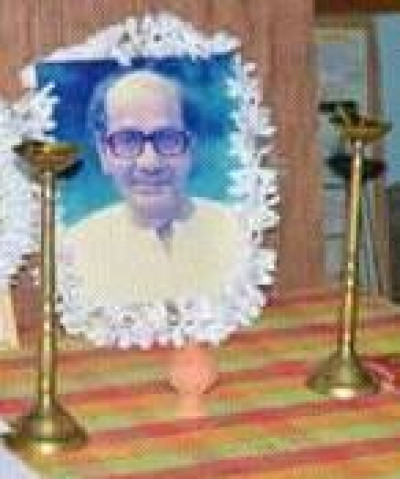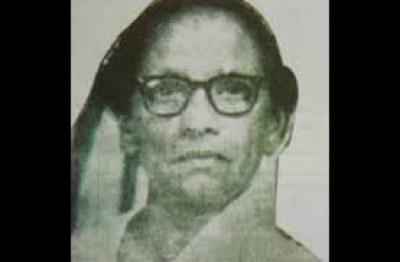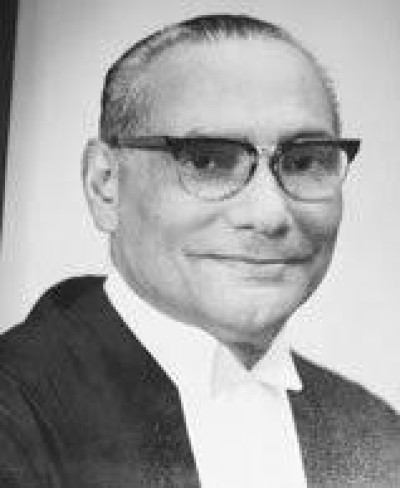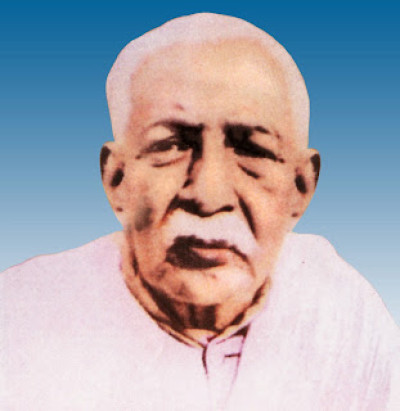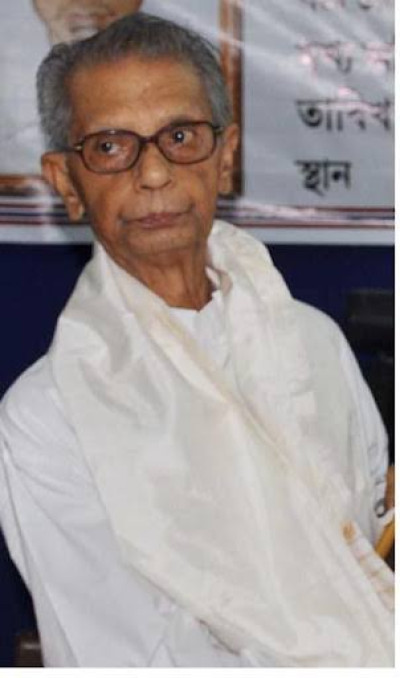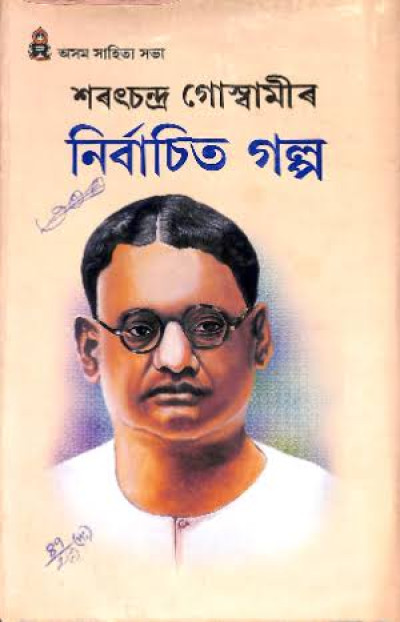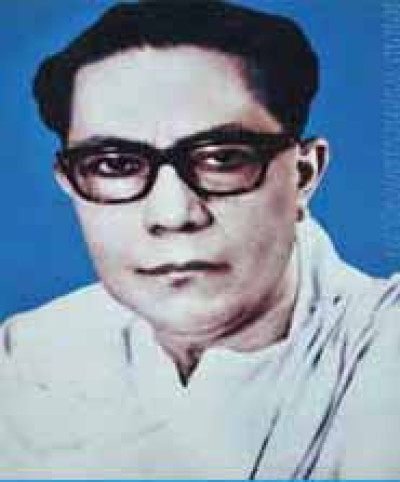
Life & Legacy
Early Life and Family
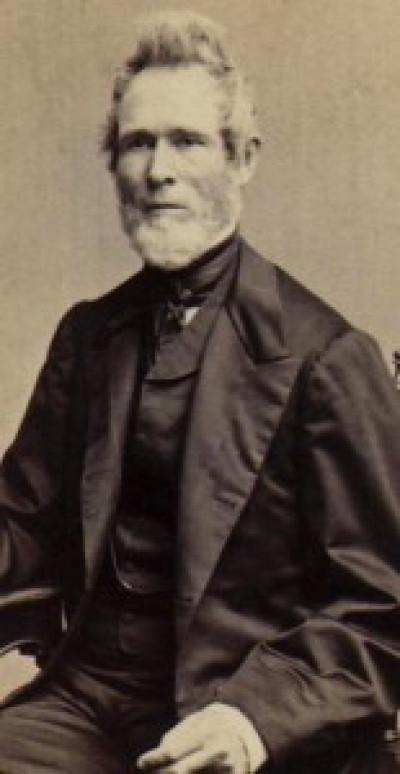
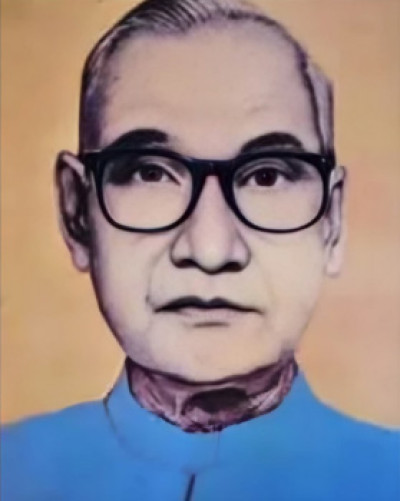
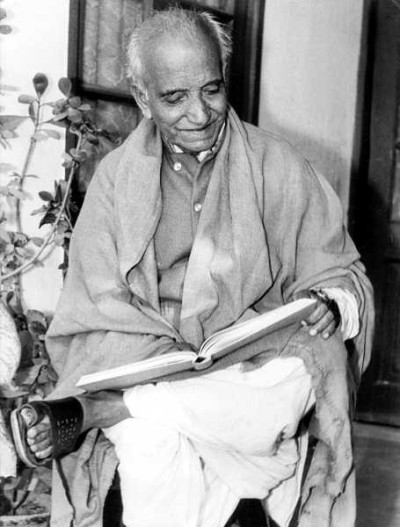
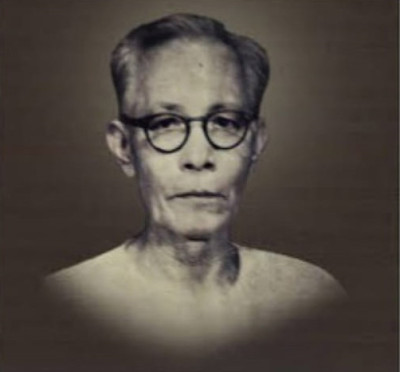
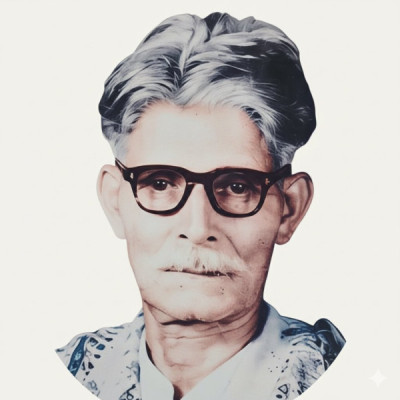
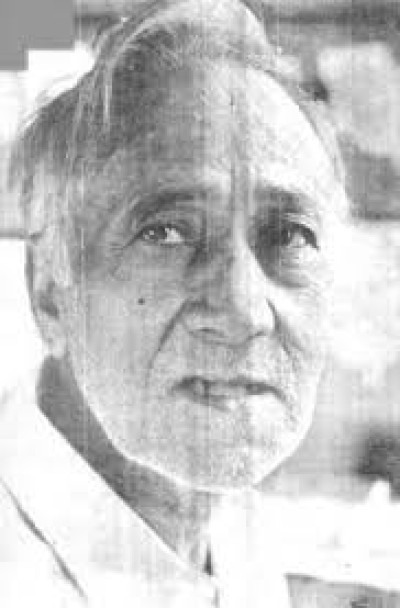
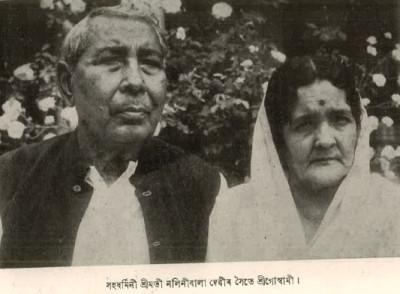
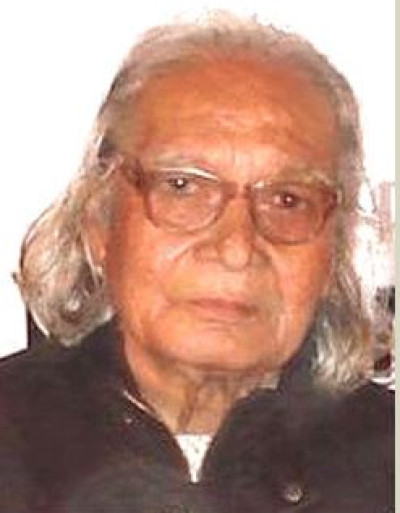
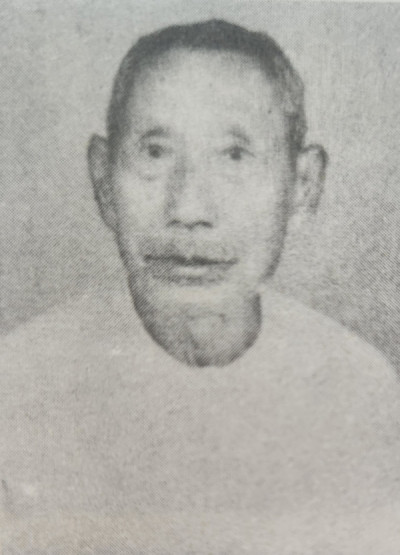
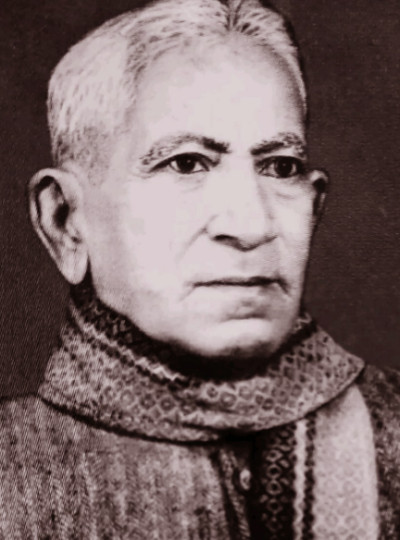
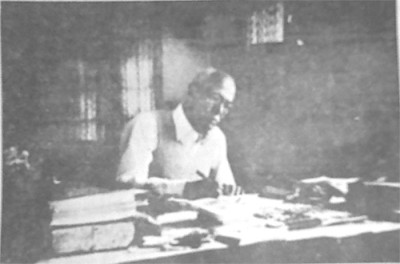
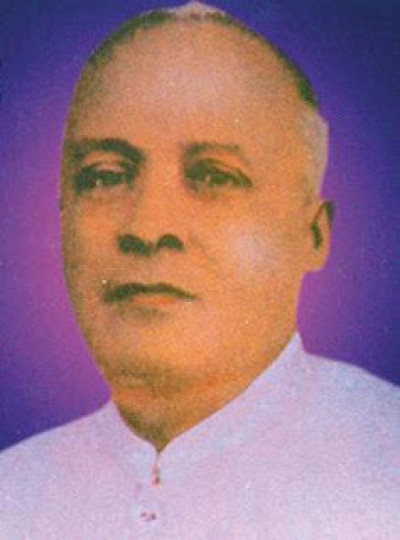
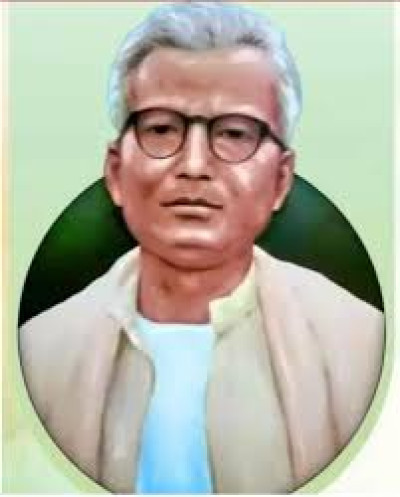
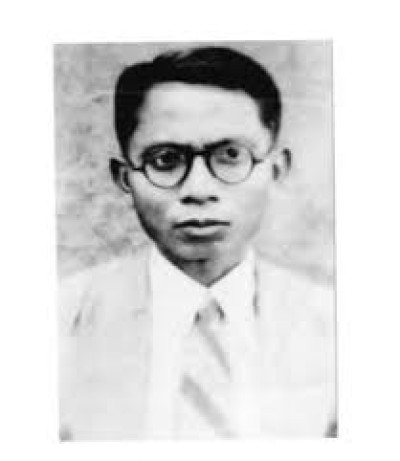
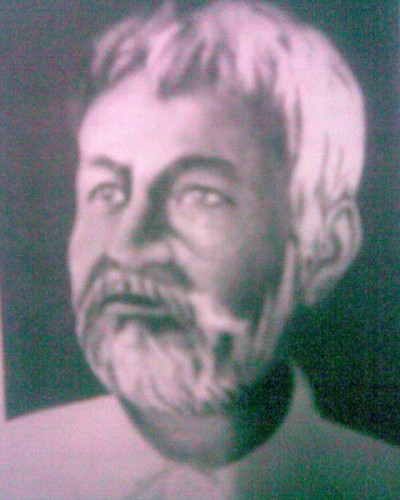
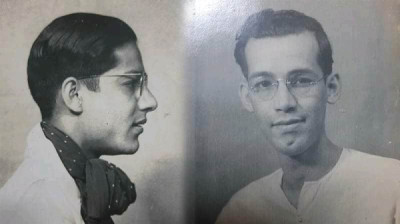
Tirthanath Sarma was born on 23 October 1911 at Jarabari Bamun Gaon under Amguri in the Sivasagar district of Assam. His father was Golap Chandra Sharma and his mother was Senehi Devi. He later settled at Dhekiyal Chaudang village of Jajhi. From his student days, he developed a strong interest in literature, Sanskrit, culture and social issues. He was also influenced by Gandhian ideals and became associated with the freedom movement during his youth.
Education
Sarma began his schooling at Jorhat Practicing School No. 1 and later studied at Jorhat Government High School and Jajhi High School. In 1929, he passed the Entrance Examination in First Division from Tezpur Government High School and joined Cotton College in the same year. He completed his Intermediate examination in First Division in 1932 and graduated with honours in Sanskrit in 1934. He then moved to Calcutta and obtained an M.A. in Sanskrit in First Class from Calcutta University in 1937.
Career and Educational Contributions
Tirthanath Sarma began his academic career in 1938 as a teacher in the Assamese Department of Calcutta University, where he continued until 1950. His commitment to education later led him to establish Pragjyotish College in Guwahati in 1954. He initially served as its honorary Principal and became its permanent Principal in 1956. He continued in this leadership role until his retirement in 1971.
He also established the Assam Board of Music in 1951, reflecting his broad interest in music, culture and traditional arts. His career extended beyond education and literature into social and cultural organizations. In 1967, he was appointed Executive President of the Assam branch of the Vishwa Hindu Parishad. He also took an interest in public life and contested a parliamentary election in 1962.
Literary Career
Tirthanath Sarma was a versatile writer whose literary activities covered criticism, essays, biography, poetry, history, religious studies and children's literature. His scholarship was strongly influenced by Sanskrit literature and Indian philosophical traditions. He also translated important Sanskrit and religious texts into Assamese, helping make classical knowledge more accessible to Assamese readers.
He edited the literary journal Kamdhenu and wrote on Assamese culture, religion, aesthetics and social thought. His studies of Assamese Vaishnavism, religious traditions and historical personalities established him as an important literary scholar. His approach combined traditional Indian literary knowledge with critical analysis.
Important Books and Literary Works
Poetry:
- Kamsendur
Essay and Literary Works:
- Panchapushpa
- Sahitya Vidya Parikrama
- History of Auniati Satra
- Bhaktibad
- Mahatmar Bani
- Gandhi-Shiksha Sar
- Praveshika Katha Chaneki
- Chaneki Path
Biographical and Historical Works:
- Benudhar Sharma
- Jhansi Rani Lakshmibai
- Kamakhya Ram Barua
- History of Auniati Satra
Religious and Philosophical Contributions:
- Assamese translations and interpretations of the Upanishads
- Writings on Indian philosophy, religion, devotion and spirituality
Journal and Editorial Work:
- Kamdhenu
Freedom Movement and Social Activities
Tirthanath Sarma was associated with the Swadeshi movement from his student years. In 1929, he left his studies to participate in the Civil Disobedience Movement associated with Mahatma Gandhi and was imprisoned for his involvement. He remained interested in Gandhian philosophy and social issues throughout his life.
He was associated with organizations including the A.S.L. Club of Calcutta, Gandhi Sahitya Parishad and the Vishwa Hindu Parishad. His activities reflected his interest in education, literature, social development, religion and cultural preservation.
Asam Sahitya Sabha
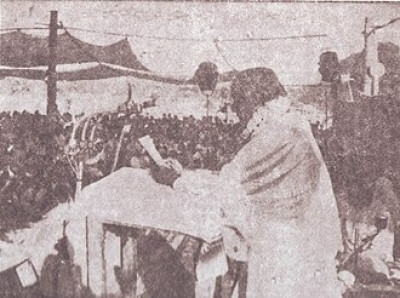
Tirthanath Sarma was closely associated with the literary activities of the Asam Sahitya Sabha. He served as president of the Sabha's session held at Makum in 1971. His involvement with the organization reflected his standing among Assamese writers and scholars and his commitment to the advancement of Assamese language and literature.
Awards and Recognition
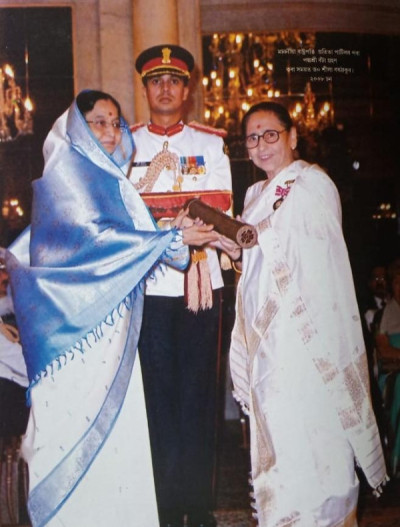
Tirthanath Sarma received the Sahitya Akademi Award posthumously for his work Benudhar Sharma. The award was announced in February 1987, following his death in 1986. The recognition highlighted the literary value of his scholarly and biographical writing.
Death
Pandit Tirthanath Sarma passed away on 23 October 1986. He left behind a substantial literary and educational legacy through his books, translations, scholarly studies, teaching career and contribution to Assamese cultural institutions. His role in establishing Pragjyotish College and his work in Assamese literary criticism continue to form an important part of his legacy.
FAQs About Pandit Tirthanath Sarma
- Who was Pandit Tirthanath Sarma?Pandit Tirthanath Sarma was a renowned Assamese writer, Sanskrit scholar, literary critic, educationist, essayist and social thinker.
- When was Tirthanath Sarma born?Tirthanath Sarma was born on 23 October 1911 in Jarabari Bamun Gaon under Amguri in Sivasagar district, Assam.
- What was Tirthanath Sarma's educational qualification?He graduated with honours in Sanskrit from Cotton College and later completed an M.A. in Sanskrit in First Class from Calcutta University.
- What was Tirthanath Sarma known for?He was known for Assamese literary criticism, Sanskrit scholarship, education, biography, religious studies and his contribution to Assamese literature.
- Which college was founded by Tirthanath Sarma?Tirthanath Sarma founded Pragjyotish College in Guwahati in 1954 and later served as its permanent Principal.
- Which Asam Sahitya Sabha session did Tirthanath Sarma preside over?According to the provided reference, he presided over the 38th annual session of the Asam Sahitya Sabha held at Makum in 1971.
- What are the important books written by Tirthanath Sarma?His notable works include Kamsendur, Panchapushpa, Sahitya Vidya Parikrama, History of Auniati Satra, Bhaktibad, Mahatmar Bani and Benudhar Sharma.
- Which award did Tirthanath Sarma receive?He was posthumously awarded the Sahitya Akademi Award for Benudhar Sharma, with the award announced in February 1987.
- Was Tirthanath Sarma involved in India's freedom movement?Yes. During his student years, he participated in the Swadeshi movement and later joined the Civil Disobedience Movement associated with Mahatma Gandhi.
- When did Tirthanath Sarma die?Tirthanath Sarma died on 23 October 1986. His contributions to Assamese literature, education and cultural scholarship remain significant.