Life & Legacy
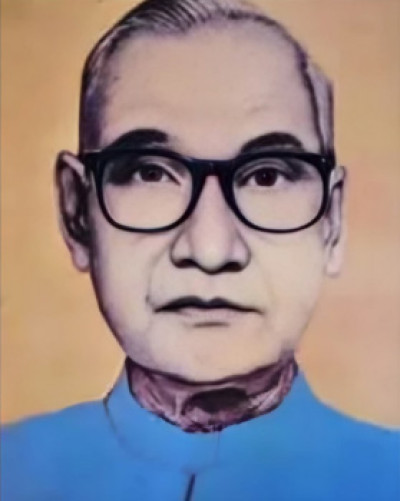
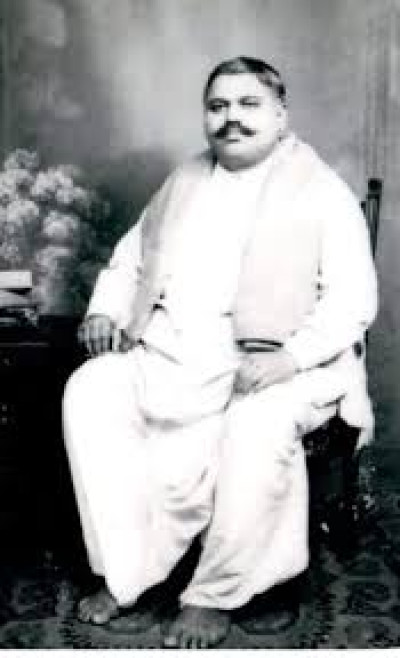
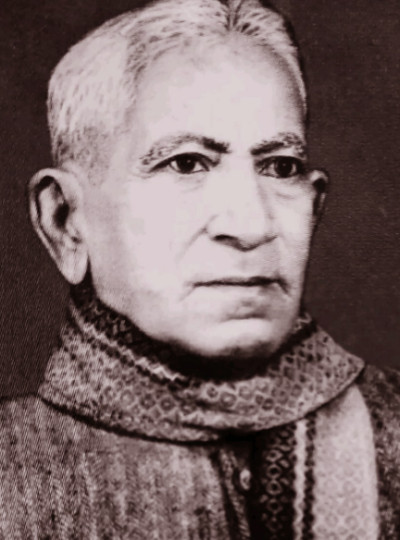
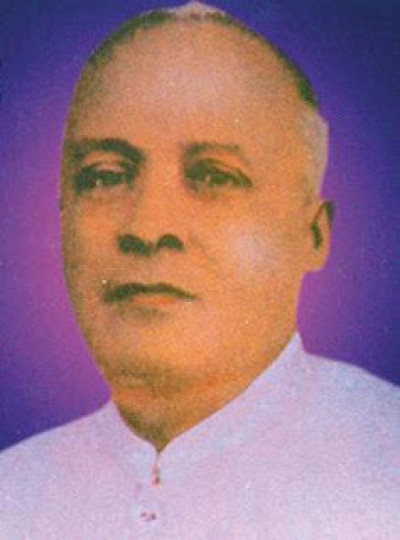
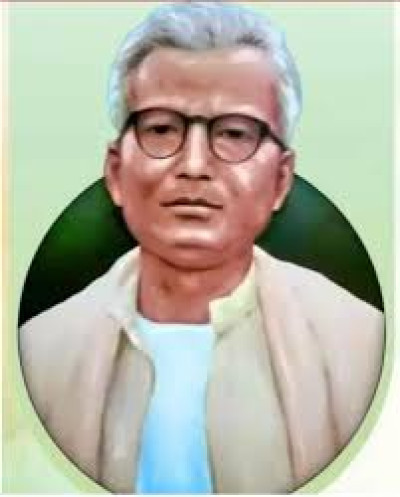
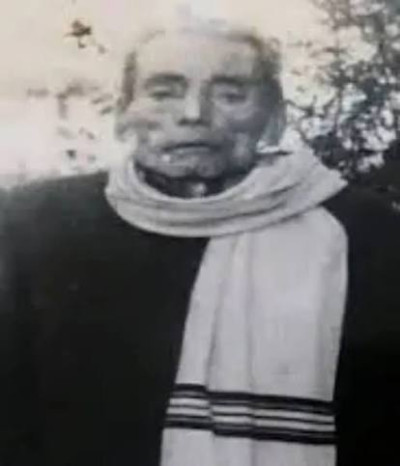
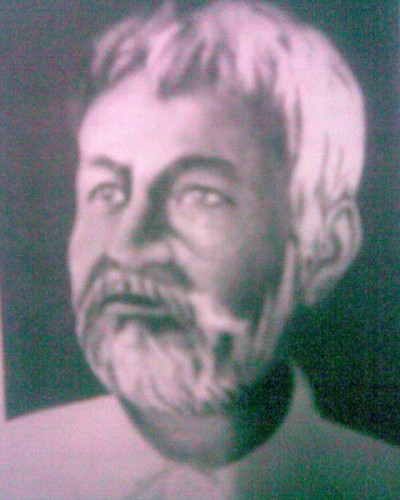
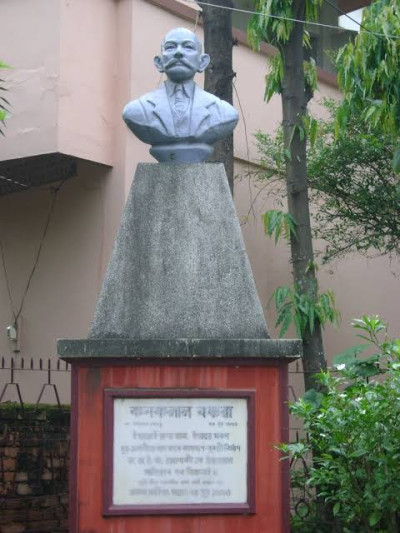
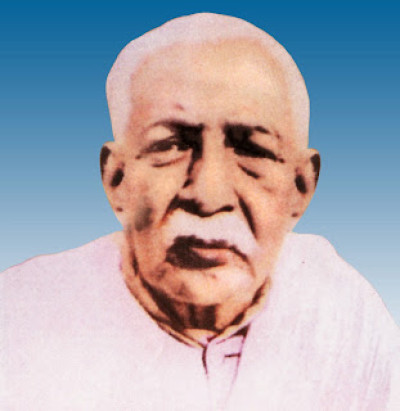
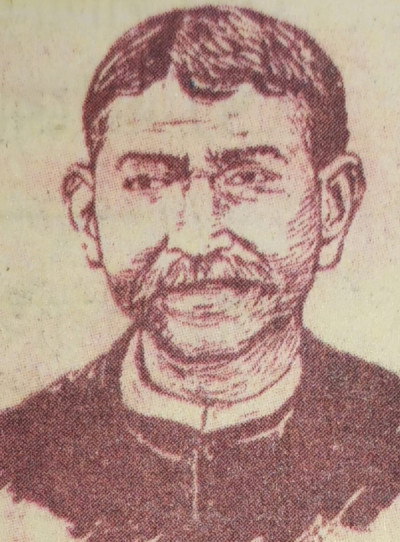
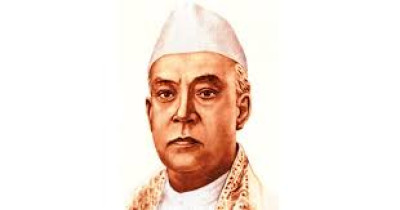
Tarun Ram Phookan (Deshbhakta): Life, Freedom Movement, Contributions and Legacy
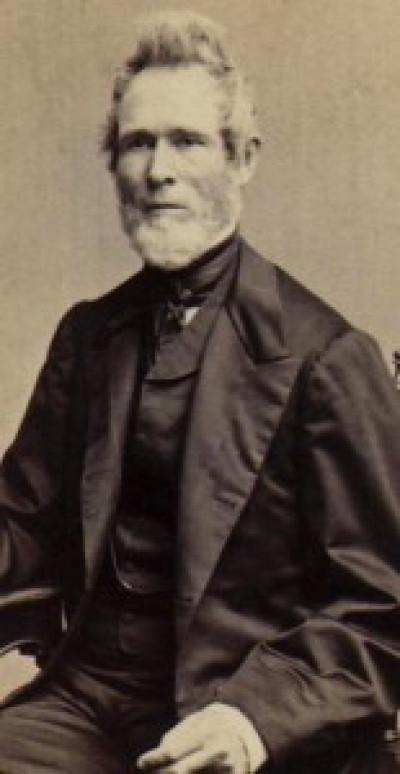
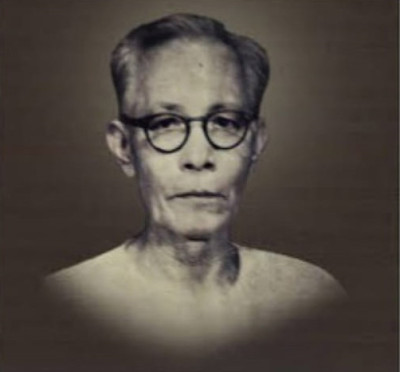
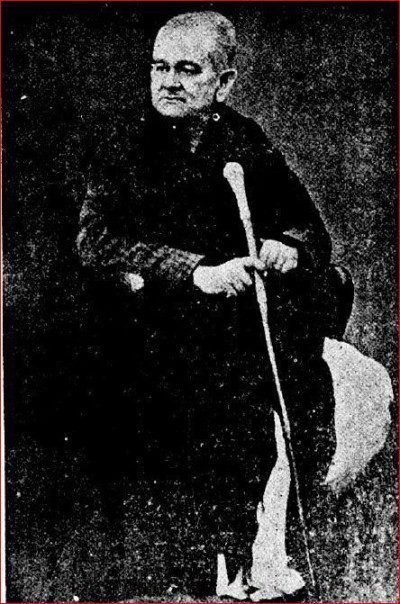
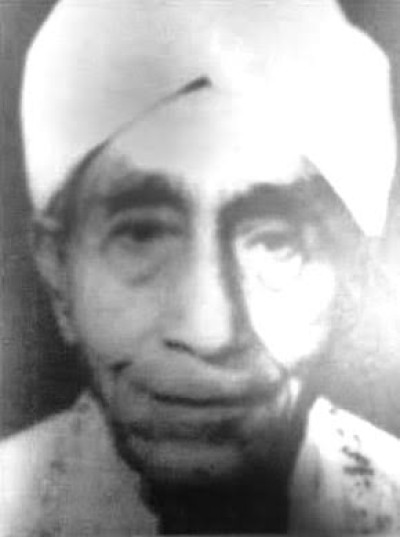
Born on 22 January 1877 in Guwahati, Assam, Tarun Ram Phookan belonged to a respected family that valued education and public service. During his childhood, Assam was under British colonial administration, and the political consciousness among the people was gradually emerging. From an early age, Phookan displayed remarkable intelligence, leadership qualities and a deep concern for society. These characteristics later shaped him into one of the most influential personalities of modern Assam.
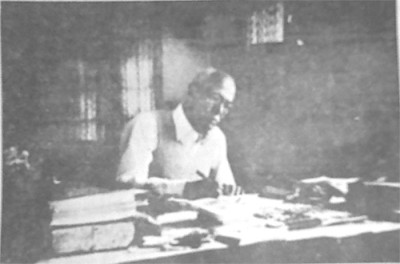
Tarun Ram Phookan completed his early education at the renowned Cotton Collegiate School in Guwahati. He later pursued higher education at Presidency College in Calcutta, one of the most prestigious educational institutions of the time. Determined to build a successful legal career, he travelled to England, where he studied law at the Inner Temple in London and qualified as a barrister. After returning to India, he established himself as a respected lawyer in Guwahati. Alongside his legal profession, he also served as a lecturer at Earle Law College, helping educate aspiring lawyers while actively participating in public affairs.
Although he enjoyed a successful legal career, Tarun Ram Phookan believed that serving the nation was more important than personal achievements. His growing interest in politics brought him into the Assam Association, which was the principal political organisation representing the interests of Assamese people before the establishment of the Indian National Congress in the province. Through the association, he actively worked to address administrative issues, promote education and advocate for the welfare of Assam.
A major turning point in his political career came in 1921 with the formation of the Assam branch of the Indian National Congress. Tarun Ram Phookan played a leading role in establishing the organisation and became its first President. His leadership helped bring Assam into the mainstream of India's national freedom movement. Under his guidance, the Congress organisation expanded rapidly across the state, encouraging people from different communities to participate in the struggle against British rule.
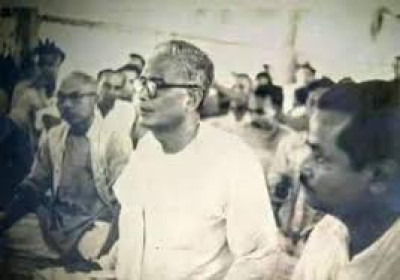
Inspired by Mahatma Gandhi's philosophy of truth, non-violence and self-reliance, Tarun Ram Phookan became one of the strongest supporters of the Non-Cooperation Movement in Assam. He travelled extensively throughout the state, addressing public meetings, motivating young people and encouraging citizens to boycott British institutions, foreign goods and colonial administration. His speeches inspired thousands to join the national movement and embrace the ideals of Swadeshi and peaceful resistance.
His active participation in the Non-Cooperation Movement attracted the attention of the British authorities. In 1921, Tarun Ram Phookan was arrested and sentenced to one year of rigorous imprisonment. Rather than weakening his determination, his imprisonment strengthened the resolve of the people of Assam and encouraged many others to participate in the independence movement. His sacrifice became a symbol of patriotism and courage for the people of the region.
Apart from political leadership, Tarun Ram Phookan devoted considerable effort to improving society. He believed that true freedom could only be achieved when social inequalities were reduced and education became accessible to everyone. Throughout his public life, he supported initiatives aimed at uplifting disadvantaged communities and improving public welfare. During his tenure as Chairman of the Guwahati Municipal Board and the Local Board, he worked to improve civic administration, sanitation and public health. One of his notable achievements was supporting the establishment of a leprosy asylum in Guwahati, reflecting his compassionate approach toward vulnerable sections of society.
Tarun Ram Phookan also believed that education was the foundation of national progress. As a teacher, lawyer and public intellectual, he encouraged young people to pursue education while remaining committed to serving society. His speeches frequently highlighted the importance of character, discipline, honesty and national unity. Many students regarded him as both a political leader and a mentor who inspired them to contribute to the country's development.
His influence extended beyond politics into literature and culture. Tarun Ram Phookan was an accomplished writer and an exceptional public speaker. His eloquence made him one of the most admired orators of his generation. In recognition of his literary contributions, he was elected President of the Assam Sahitya Sabha during its Goalpara Session in 1927. Under his leadership, the organisation continued to promote Assamese language, literature and cultural identity. His association with the Assam Chhatra Sammelan, where he served as President in 1928, further demonstrated his commitment to youth development and education.
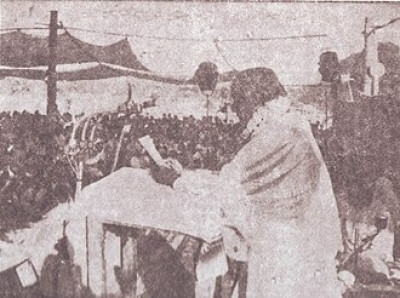
One of the defining moments of his political career was his role in organising the Pandu Session of the Indian National Congress in 1926. As Chairman of the Reception Committee, he successfully coordinated one of the most significant political events ever held in Assam during the freedom movement. The session attracted national leaders and strengthened Assam's position within the Indian National Congress.
Tarun Ram Phookan also played an important role in strengthening the Assam Provincial Congress Committee (APCC). Along with other prominent leaders such as Gopinath Bordoloi, Bimala Prasad Chaliha and Kuladhar Chaliha, he helped build a strong organisational structure capable of mobilising people across Assam. The committee invited Mahatma Gandhi to Assam in 1921, and Gandhi's visit significantly accelerated the spread of the Non-Cooperation Movement and Swadeshi ideals throughout the region.
Throughout his life, Tarun Ram Phookan remained committed to communal harmony and national unity. He believed that India's diversity was its greatest strength and encouraged cooperation among people regardless of caste, religion or community. His inclusive leadership earned widespread respect from people belonging to different sections of society.
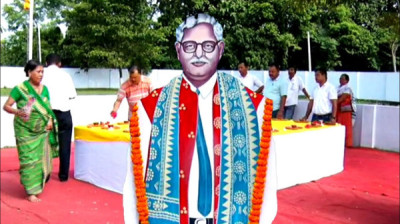
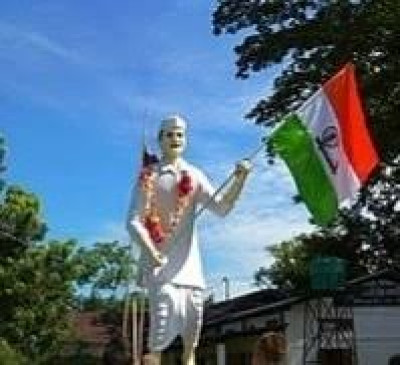
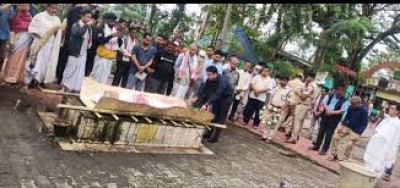
Tarun Ram Phookan passed away on 28 July 1939, leaving behind a remarkable legacy of patriotism, public service and social reform. His contributions continue to be recognised across Assam. The Government of Assam observes his death anniversary as Desh Bhakti Divas, paying tribute to his immense contribution to the freedom movement and the development of Assamese society. Educational institutions, government organisations and cultural groups commemorate the occasion through seminars, discussions and tribute programmes that highlight his achievements.
Today, Tarun Ram Phookan remains one of the most celebrated personalities in Assam's history. His life represents courage, integrity, selfless leadership and unwavering dedication to the nation. Students preparing for competitive examinations, researchers studying the freedom movement and visitors interested in Assam's history continue to learn about his extraordinary journey.
His story reminds us that meaningful change requires sacrifice, determination and a commitment to serving society above personal interests. As one of Assam's greatest freedom fighters, Tarun Ram Phookan's contributions continue to inspire future generations to uphold the values of patriotism, justice, equality and public service. His legacy remains an enduring chapter in the history of Assam and India's struggle for independence.
FAQs on Tarun Ram Phookan
1. Who was Tarun Ram Phookan?
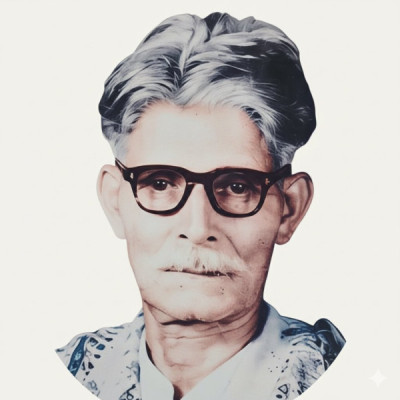
Tarun Ram Phookan, popularly known as Deshbhakta, was a renowned freedom fighter, lawyer, political leader, social reformer and literary personality from Assam. He played a leading role in Assam's participation in India's freedom movement.
2. Why is Tarun Ram Phookan called Deshbhakta?
He earned the title "Deshbhakta," meaning "Patriot," because of his extraordinary dedication, sacrifice and leadership during India's struggle for independence.
3. When and where was Tarun Ram Phookan born?
Tarun Ram Phookan was born on 22 January 1877 in Guwahati, Assam.
4. What role did Tarun Ram Phookan play in the Indian freedom movement?
He led the Non-Cooperation Movement in Assam, spread Mahatma Gandhi's message across the state, organised Congress activities and was imprisoned by the British for his participation.
5. Was Tarun Ram Phookan associated with the Indian National Congress?
Yes. He played a key role in establishing the Assam branch of the Indian National Congress in 1921 and became its first President.
6. What were Tarun Ram Phookan's contributions to Assam?
His contributions include political leadership, promotion of education, social welfare, municipal reforms, literary development and strengthening the freedom movement in Assam.
7. What were Tarun Ram Phookan's literary achievements?
He served as President of the Assam Sahitya Sabha in 1927 and contributed significantly to the promotion of Assamese language, literature and culture.
8. Why is Desh Bhakti Divas observed in Assam?
The Government of Assam observes Desh Bhakti Divas on 28 July every year to honour the memory and contributions of Tarun Ram Phookan to India's independence movement.
9. What positions did Tarun Ram Phookan hold during his public life?
He served as President of the Assam Congress, Chairman of the Guwahati Municipal Board, President of Assam Sahitya Sabha and President of Assam Chhatra Sammelan.
10. Why is Tarun Ram Phookan important in Assam's history?
Tarun Ram Phookan is remembered as one of Assam's greatest patriots whose leadership, sacrifice, social reforms and commitment to national unity played a vital role in shaping modern Assam and strengthening India's freedom struggle.