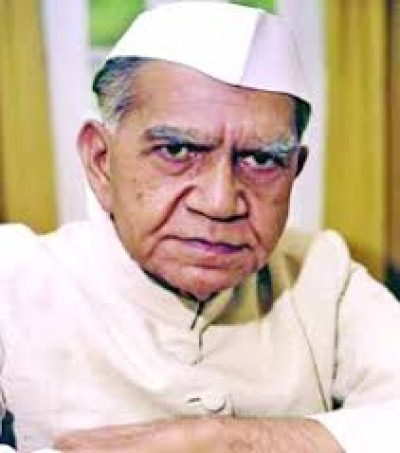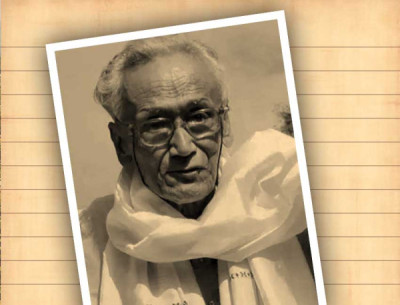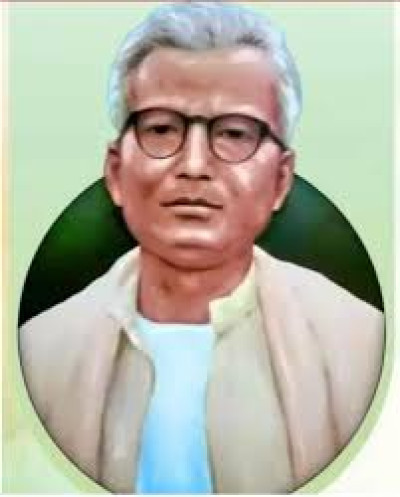
Life & Legacy
Early Life
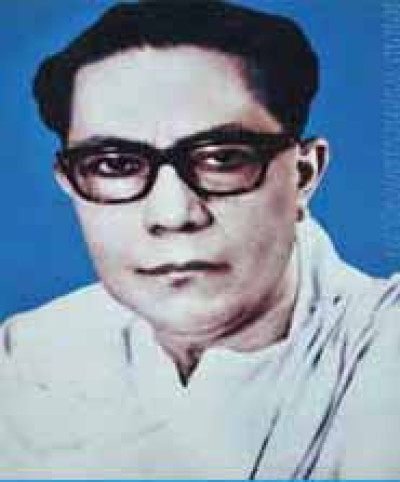
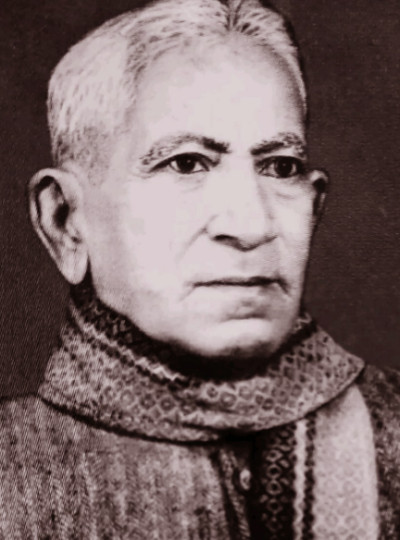
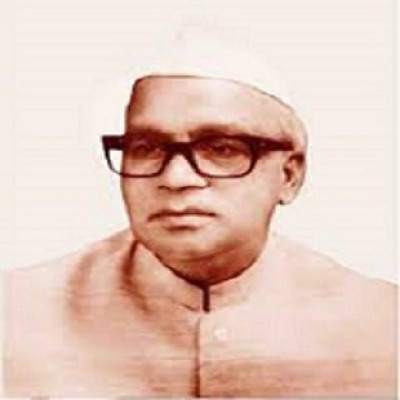
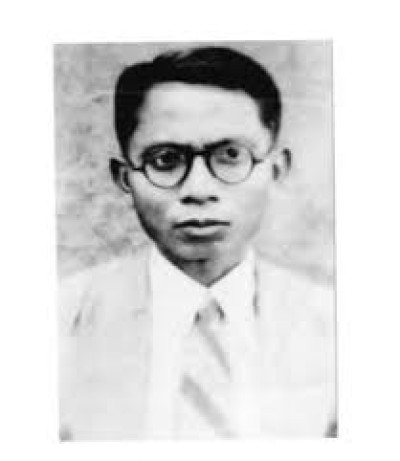
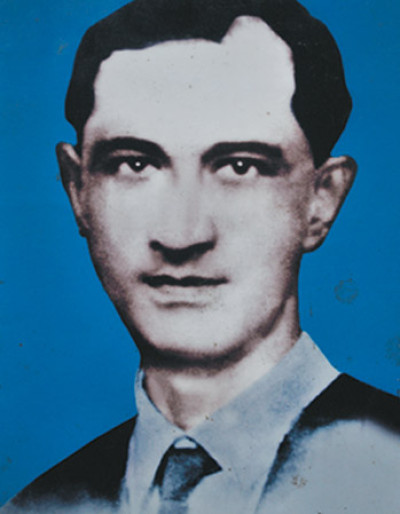
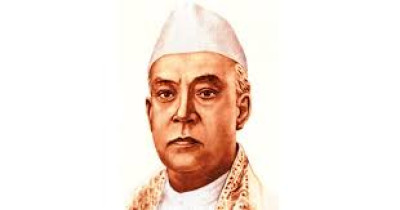
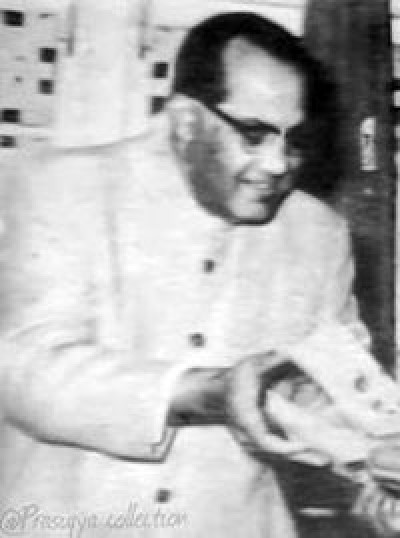
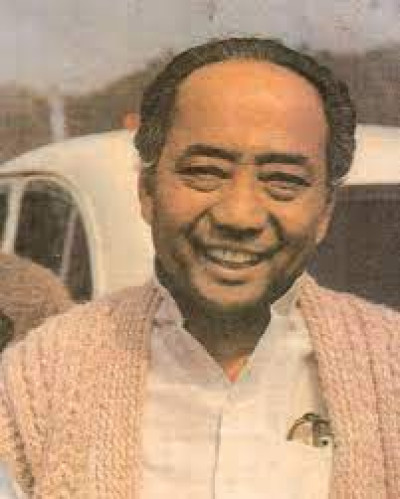
Rupnath Brahma was born on 15 June 1902 in Owabari village of present-day Kokrajhar district, Assam, into a Bodo family. His father was Dhajendra Brahma. From an early age, he displayed exceptional academic ability and earned a scholarship while studying at Kokrajhar Upper Primary School. His commitment to education laid the foundation for a remarkable career devoted to public service and community welfare.
Education
After completing his early education, Rupnath Brahma studied at Cotton College, one of Assam's premier educational institutions. He later pursued legal studies and became one of the earliest law graduates from the Bodo community. Although he began practising as an advocate, he soon realized that his true calling was serving society rather than pursuing a legal career. He therefore devoted himself to social reform, education and public leadership.
Literary and Social Contributions
Rupnath Brahma made significant contributions to Bodo literature during a period when the language was still developing. Along with Modaram Brahma, he helped compile the important literary work "Khantai-Methai", which preserved traditional Bodo poems and songs. His own writings were deeply spiritual and philosophical, reflecting his interest in religion, ethics and human values.
He actively worked for the spread of education among tribal communities and encouraged young people to pursue learning. He also played an important role in promoting Assamese as the medium of instruction in several educational institutions of Lower Assam where Bengali had earlier been dominant. His lifelong belief was that education was the strongest instrument for social progress and empowerment.
Role in Social and Religious Reform
Rupnath Brahma worked closely with Gurudev Kalicharan Brahma in promoting Brahma Dharma among the Bodo community. Together they encouraged social reform by discouraging harmful customs, promoting discipline, education, equality and moral values. His efforts helped strengthen the cultural identity of the Bodo people while encouraging peaceful coexistence with other communities.
He was also among the founding leaders of the Bodo Chatra Sanmilani established in 1919 and served as its first General Secretary. The organization focused on expanding educational opportunities, preserving Bodo language and culture, and creating leadership among tribal youth.
Political Career
Rupnath Brahma entered active politics during the 1930s and became one of the most influential representatives of the tribal population in Assam. He was elected to the Assam Legislative Assembly in the 1937 elections as a representative of the Tribal League from the Sidli constituency.
Inside the Assembly, he consistently raised issues concerning tribal welfare, education, land rights and constitutional safeguards for indigenous communities. He strongly supported the protection of the Line System to prevent displacement of tribal populations and repeatedly demanded better educational facilities for backward communities.
His political influence increased when he supported the Indian National Congress in forming the provincial government under Gopinath Bordoloi. He later became the Minister for Forest and Registration, becoming the first Bodo to serve as a cabinet minister in Assam. During his tenure, he worked for balanced development, rural welfare and administrative reforms.
As a member of the Advisory Committee and the Assam Tribal and Excluded Areas Sub-Committee before India's independence, Rupnath Brahma contributed to discussions that ultimately influenced the inclusion of the Sixth Schedule in the Constitution of India, which provides constitutional protection for tribal areas in Northeast India.
After independence, he continued serving the people through public life and was elected as a Member of the Lok Sabha in 1967. Throughout his political career, he remained committed to democracy, communal harmony and inclusive development.
Major Achievements
- First Bodo cabinet minister in Assam.
- Member of the Assam Legislative Assembly.
- Member of the Lok Sabha (1967-1968).
- One of the pioneers of modern Bodo literature.
- Co-compiler of the literary work "Khantai-Methai".
- Played an important role in strengthening Brahma Dharma.
- First General Secretary of Bodo Chatra Sanmilani.
- Worked for educational reforms among tribal communities.
- Contributed to constitutional safeguards for tribal areas through the Sixth Schedule discussions.
- Widely respected as the "Father of Modern Bodos."
Positions Held
- General Secretary, Bodo Chatra Sanmilani
- Member, Assam Legislative Assembly
- Minister for Forest and Registration, Government of Assam
- Member, Advisory Committee on Tribal Affairs
- Member, Assam Tribal and Excluded Areas Sub-Committee
- Member of Parliament (Lok Sabha)
Books and Literary Works
- Khantai-Methai (Co-compiler)
- Several poems and religious writings focusing on spirituality, morality and social awakening.
Awards and Recognition
Although Rupnath Brahma did not receive many formal awards during his lifetime, his contributions have been honoured in numerous ways.
- Revered as the "Father of Modern Bodos."
- Recognized as one of Assam's greatest tribal leaders.
- Rupnath Brahma Inter-State Bus Terminal (ISBT), Guwahati, is named in his honour.
- Remembered for his lifelong contribution to Bodo literature, education and social reform.
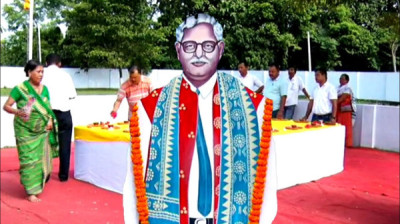
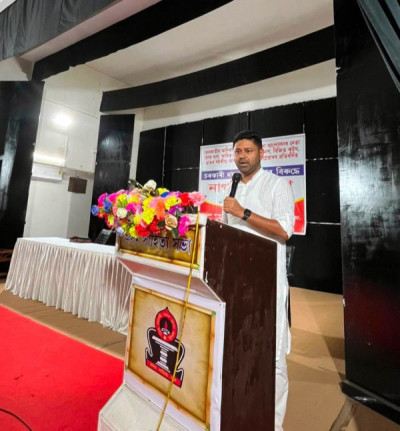
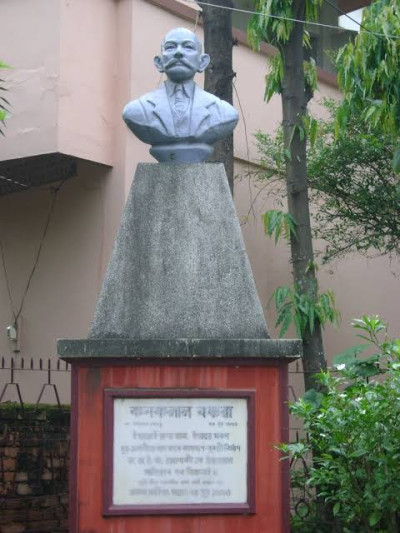
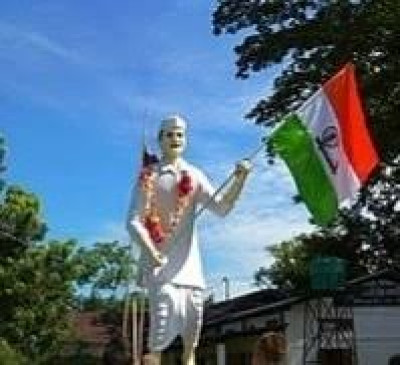
- Continues to be honoured through educational institutions, cultural organizations and memorial programmes across Assam.
Personal Life
Rupnath Brahma married Damayanti Brahma in 1920. After her demise, he married Swarnamoyee Brahma in 1958. He was the father of ten children and remained deeply connected with his family while dedicating most of his life to public service.
Death
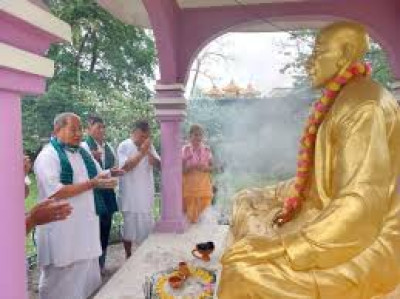
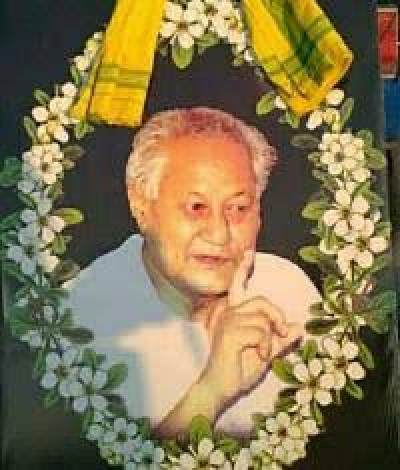
Rupnath Brahma passed away on 23 January 1968 at the age of 66. His death marked the end of an extraordinary life devoted to the upliftment of the Bodo community and the overall progress of Assam. Even today, he is remembered as a visionary leader whose ideas on education, equality, cultural preservation and tribal empowerment remain highly relevant.
FAQs about Rupnath Brahma
1. Who was Rupnath Brahma?
Rupnath Brahma was a renowned Bodo leader, poet, politician, lawyer and social reformer from Assam who played a major role in the educational, cultural and political development of the Bodo community.
2. Why is Rupnath Brahma called the Father of Modern Bodos?
He is called the Father of Modern Bodos because of his lifelong efforts to improve education, literature, tribal rights and social reforms among the Bodo people.
3. When and where was Rupnath Brahma born?
He was born on 15 June 1902 in Owabari village of present-day Kokrajhar district, Assam.
4. What was Rupnath Brahma's contribution to Bodo literature?
He co-compiled the famous literary work "Khantai-Methai" and wrote several spiritual and philosophical poems that enriched early Bodo literature.
5. Which political positions did Rupnath Brahma hold?
He served as an MLA, Minister for Forest and Registration in Assam, and later as a Member of the Lok Sabha.
6. What role did Rupnath Brahma play in tribal welfare?
He strongly advocated for tribal education, constitutional safeguards, land rights and social development of indigenous communities in Assam.
7. What is Brahma Dharma and how was Rupnath Brahma associated with it?
Rupnath Brahma worked alongside Gurudev Kalicharan Brahma to promote Brahma Dharma and encourage social and religious reforms within the Bodo community.
8. Which landmark in Assam is named after Rupnath Brahma?
The Rupnath Brahma Inter-State Bus Terminal (ISBT) in Guwahati has been named in his honour.
9. When did Rupnath Brahma die?
He passed away on 23 January 1968 at Kokrajhar, Assam.
10. Why is Rupnath Brahma important in Assam's history?
Rupnath Brahma is remembered for his outstanding contributions to Bodo literature, tribal rights, education, constitutional development and public service, making him one of the most influential personalities in Assam's history.