Life & Legacy
Early Life and Education
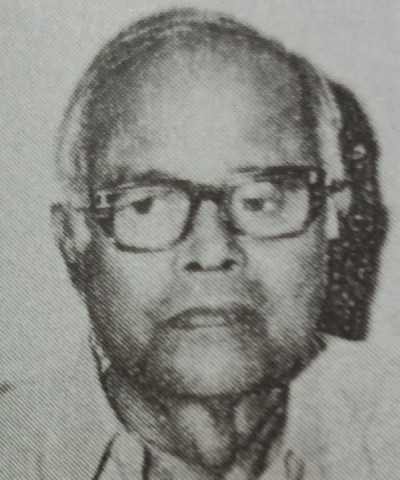
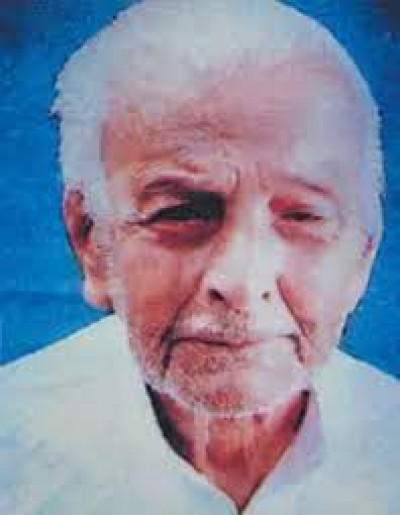
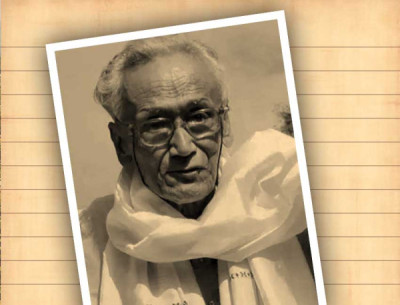
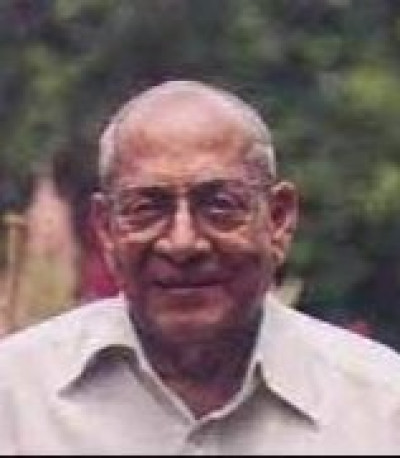
Robin Banerjee was born on 12 August 1908 in Baharampur, West Bengal. He received his early education at Santiniketan before studying medicine at Calcutta Medical College. To further enhance his medical knowledge, he pursued higher studies in Liverpool in 1934 and Edinburgh in 1936. His academic background helped shape a successful medical career before he devoted himself to wildlife conservation.
Medical Career
In 1937, Robin Banerjee joined the Royal Navy in Liverpool and served during World War II. After returning to India, he accepted the position of Chief Medical Officer at Chabua Tea Estate in Assam in 1952. He later joined the Dhansiri Medical Association in Bokakhat in the same capacity. While working in Assam, he developed a deep appreciation for the forests, wildlife, and natural beauty of Kaziranga, which eventually inspired him to dedicate much of his life to environmental conservation.
Wildlife Conservation and Documentary Films
Robin Banerjee is remembered as one of the earliest personalities to introduce the wildlife of Assam to international audiences through documentary films. Fascinated by the one-horned rhinoceros and the biodiversity of Kaziranga National Park, he began filming the region during the 1950s. His documentary on Kaziranga was telecast on Berlin Television in 1961, bringing global attention to Assam's unique wildlife.
Throughout his career, he produced 32 documentary films covering wildlife, birds, forests, and natural ecosystems across India and several other countries. His documentaries received 14 international awards and established him as one of India's pioneering wildlife filmmakers. His work significantly contributed to increasing awareness about wildlife conservation and environmental protection.
Environmental and Social Contributions
Apart from filmmaking, Robin Banerjee actively worked for wildlife preservation and community welfare. He founded the Kaziranga Wildlife Society, an organization dedicated to protecting Kaziranga National Park and promoting conservation activities. Locally known as "Uncle Robin," he donated land for educational institutions, supported healthcare initiatives, and remained actively involved in environmental awareness programs. He chose to settle permanently in Golaghat rather than return to his native state, reflecting his lifelong commitment to Assam.
Uncle Robin's Museum
After his death, his residence on Mission Road in Golaghat was converted into the Uncle Robin's Museum, also known as the Robin Banerjee Natural History Museum. The museum preserves his photographs, paintings, documentary collections, cameras, natural history exhibits, fossils, personal belongings, and rare artefacts collected from different parts of the world. Today, it serves as an important attraction for wildlife enthusiasts, researchers, and tourists visiting Assam.
Documentary Filmography
Robin Banerjee created 32 documentary films during his lifetime. Some of his best-known documentaries include:
- Kaziranga
- Wild Life of India
- Rhino Capture
- A Day at Zoo
- Elephant Capture
- Monsoon
- Nagaland
- Lake Wildness
- Flying Reptiles of Indonesia
- Animals of Africa
- Underwater
- Flowers of Africa
- Adventures of Newfoundland
- Dragons of Komodo Island
- Underwater World of Snakes
- White Wings in Slow Motion
- The World of Flamingo
- Wild but Friendly
- Birds of Africa
- Dresden
- My Nature
- Birds of India
- Wild Flowers of the World
- The Monarch Butterfly of Mexico
- Alaskan Polar Bear
- In the Pacific
- Call of the Blue Pacific Part I & II
- So They May Survive
Awards and Recognition
Robin Banerjee received several prestigious honours during his lifetime:
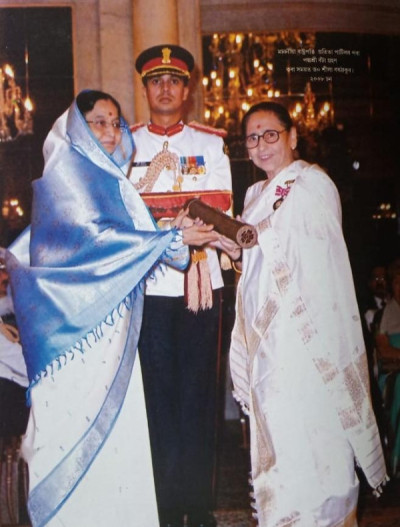
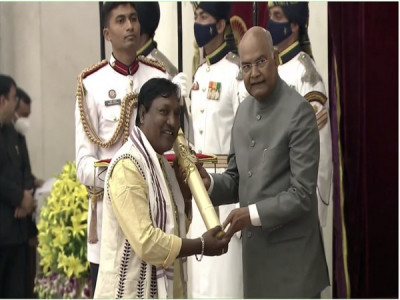
- Padma Shri (1971), Government of India
- Honorary Doctor of Science (D.Sc.), Assam Agricultural University (1991)
- Honorary PhD, Dibrugarh University
- Recipient of 14 international awards for wildlife documentary filmmaking
- International recognition for promoting Kaziranga National Park through documentary films
Positions Held
- Chief Medical Officer, Chabua Tea Estate
- Chief Medical Officer, Dhansiri Medical Association, Bokakhat
- Founder, Kaziranga Wildlife Society
- Wildlife Documentary Filmmaker
- Environmentalist and Nature Conservationist
- Photographer and Painter
Books Written About Him
- Xeujia Xopunar Manuh (Assamese biography based on his life and experiences)
Death
Robin Banerjee passed away on 6 August 2003 at his residence in Golaghat, Assam, at the age of 94. His contributions to wildlife conservation, documentary filmmaking, and environmental awareness continue to inspire nature lovers across India. The Uncle Robin's Museum remains a lasting tribute to his extraordinary life and lifelong dedication to preserving Assam's natural heritage.
FAQs about Robin Banerjee