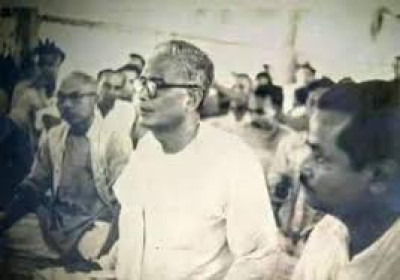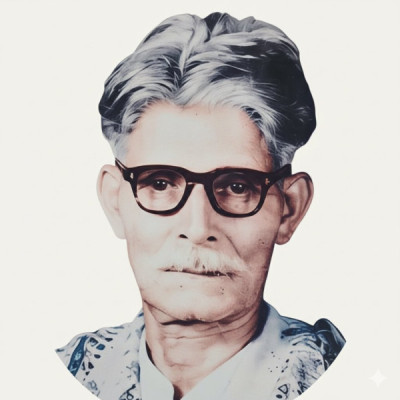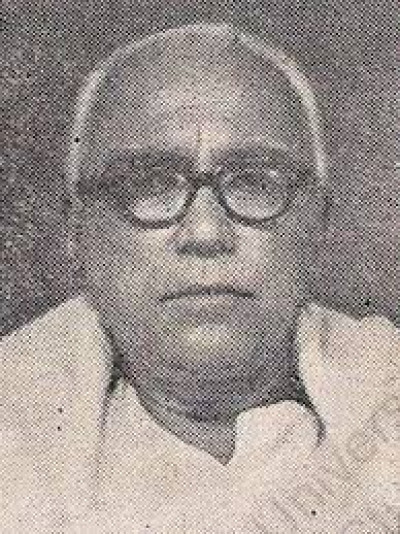
Life & Legacy
Early Life
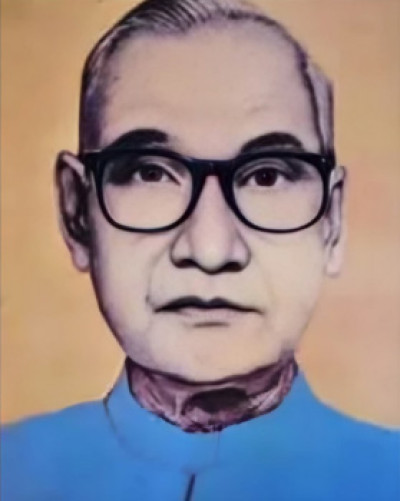
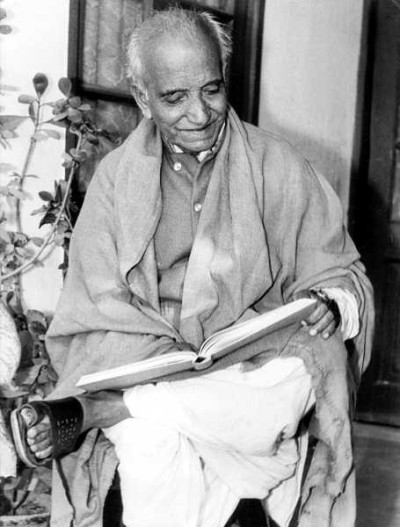
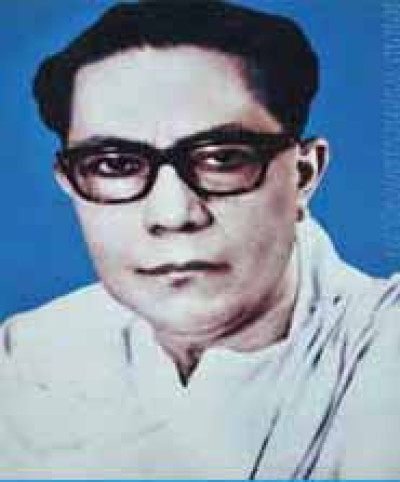
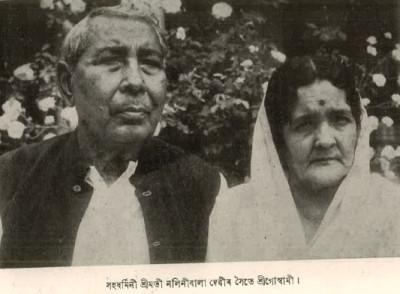
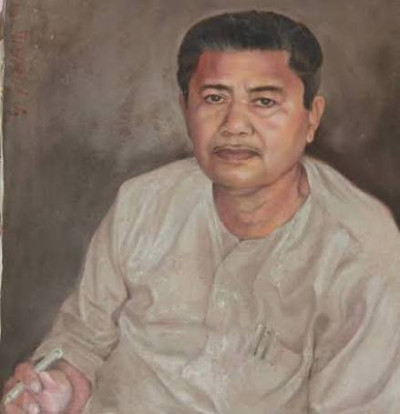
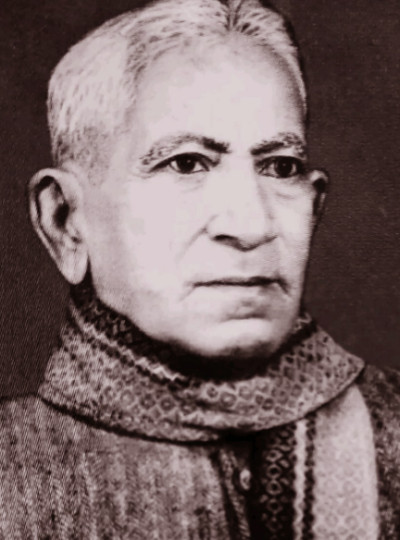
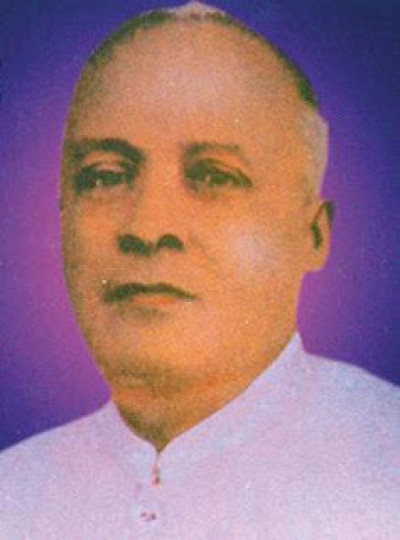
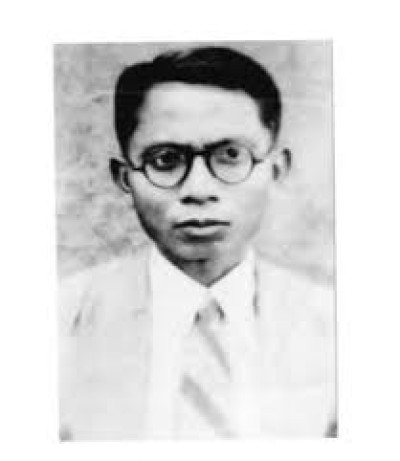
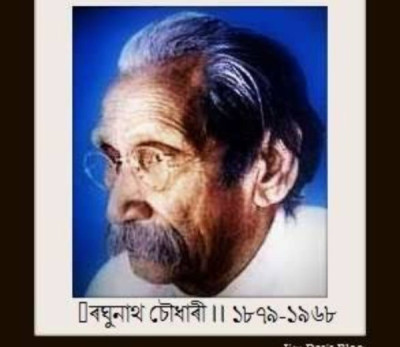
Raghunath Choudhary was born in 1879 in Lawpara (Laopara) village of the undivided Kamrup district, now in Nalbari district, Assam. His childhood was marked by several personal hardships, including the loss of close family members at an early age. Despite these challenges, he developed a strong attachment to nature, birds, rivers, forests, and the peaceful countryside of Assam. These experiences later became the defining themes of his poetry and earned him the title "Bihogi Kobi."
Education
He received his early education in Barpeta before continuing his studies in Guwahati. Although his formal education was interrupted, Raghunath Choudhary remained a dedicated learner throughout his life. He pursued the study of Sanskrit literature and Assamese language independently, strengthening his literary skills and developing a unique poetic style rooted in Assamese culture.
Literary Career
Raghunath Choudhary emerged as an important literary figure during the Jonaki Era, a period regarded as the renaissance of modern Assamese literature. His first poem appeared in the renowned literary magazine Jonaki, where he later served as a sub-editor.
His poetry reflected harmony between humans and nature. Birds, flowers, rivers, forests, and rural landscapes became powerful symbols in his works. Rather than merely describing nature, he used it to express emotions, patriotism, hope, and the beauty of Assamese life.
His writing combined lyrical elegance with meaningful messages, making his poems popular among readers of all ages. Because birds appeared frequently in his poems, literary critics and readers affectionately honored him with the title "Bihogi Kobi."
Major Literary Works
Some of Raghunath Choudhary's most important literary works include:
- Xaadori (1910)
- Keteki (1918)
- Kaarbala (1923)
- Dohikatara (1931)
- Navamallika (1958)
- Gulap
Apart from poetry books, he contributed significantly as an editor of several Assamese magazines, including Jonaki, Jayanti, Surabhi, and the children's magazine Moina. His editorial work played a vital role in promoting Assamese language, literature, and young writers.
Freedom Movement and Social Contributions
Beyond literature, Raghunath Choudhary actively supported India's freedom movement. Inspired by the national struggle against British rule, he participated in public movements and was imprisoned by the British authorities for his patriotic activities.
He also believed in social progress through education, self-reliance, and preservation of Assamese identity. His writings encouraged people to value their language, traditions, and cultural heritage while embracing positive social change.
President of Asam Sahitya Sabha
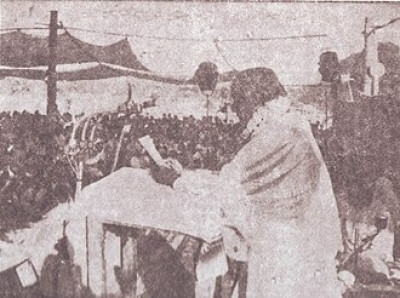
One of the most significant milestones of his literary career came in 1936 when he presided over the Tezpur session of the Asam Sahitya Sabha. His leadership further strengthened the growth of Assamese literature and inspired countless emerging writers and poets.
Awards and Recognition
Although Raghunath Choudhary lived during a period when formal literary awards were limited, he received immense respect from the literary community.
His major recognitions include:
- Popularly known as "Bihogi Kobi" (Poet of Birds)
- Honoured with the title "Kabiratna"
- President of the 1936 Tezpur Session of Asam Sahitya Sabha
- Widely regarded as one of the pioneers of modern Assamese romantic poetry
- His literary works continue to be included in academic curricula and literary studies across Assam.
Death
Raghunath Choudhary passed away on 18 November 1967. Although he is no longer with us, his poems continue to influence Assamese literature and remain an important part of the state's cultural heritage. His writings still inspire readers with their timeless celebration of nature, humanity, patriotism, and Assamese identity.
Legacy
Raghunath Choudhary occupies a special place in the history of Assamese literature. His ability to blend natural beauty with human emotions made him one of the finest romantic poets of Assam. His poems continue to be read in schools, colleges, literary festivals, and cultural programs throughout the state. As the beloved "Bihogi Kobi," he left behind an enduring literary legacy that continues to inspire poets, researchers, and lovers of Assamese literature.
FAQs on Raghunath Choudhary
1. Who was Raghunath Choudhary?
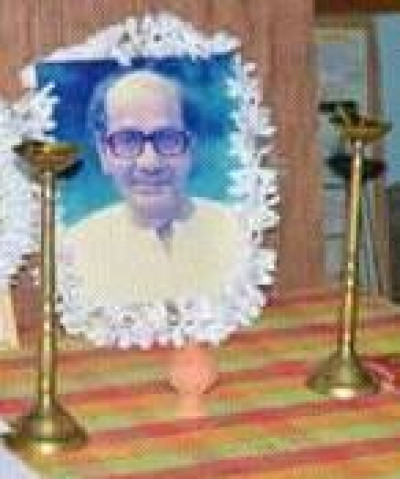
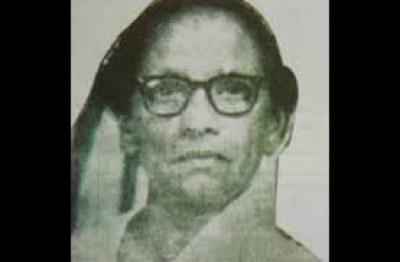
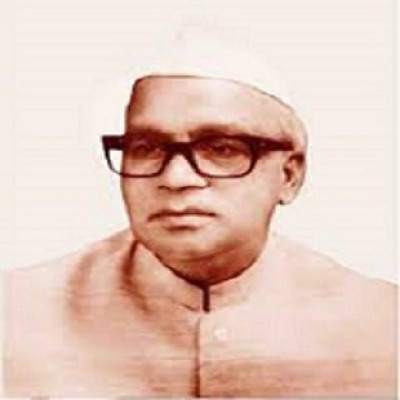
Raghunath Choudhary was a renowned Assamese poet, writer, editor, freedom fighter, and literary leader who became famous as the "Bihogi Kobi" for his beautiful poems about birds and nature.
2. Why is Raghunath Choudhary called Bihogi Kobi?
He earned the title "Bihogi Kobi" or "Poet of Birds" because many of his poems beautifully describe birds, forests, rivers, flowers, and the natural beauty of Assam.
3. When was Raghunath Choudhary born?
He was born in 1879 in Lawpara village of the undivided Kamrup district, present-day Nalbari district, Assam.
4. What are the famous books written by Raghunath Choudhary?
His well-known books include Xaadori, Keteki, Kaarbala, Dohikatara, Navamallika, and Gulap.
5. Was Raghunath Choudhary involved in India's freedom movement?
Yes. He actively participated in the Indian freedom movement and was imprisoned by the British government for his patriotic activities.
6. What was Raghunath Choudhary's contribution to Assamese literature?
He played a major role in developing modern Assamese poetry during the Jonaki Era and inspired generations through his lyrical and nature-inspired writings.
7. When did Raghunath Choudhary become President of Asam Sahitya Sabha?
He presided over the Tezpur session of Asam Sahitya Sabha in 1936.
8. When did Raghunath Choudhary die?
Raghunath Choudhary passed away on 18 November 1967.
9. What themes are commonly found in Raghunath Choudhary's poetry?
His poems mainly focus on birds, nature, Assamese culture, patriotism, rural life, human emotions, and love for the homeland.
10. Why is Raghunath Choudhary important in Assam's history?
He is regarded as one of Assam's greatest romantic poets whose literary works strengthened Assamese language, culture, and identity while inspiring future generations of writers.