Life & Legacy
Early Life
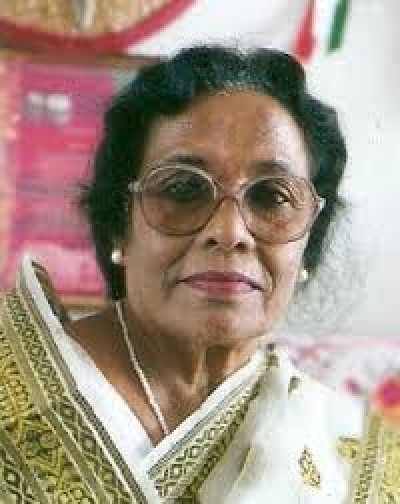
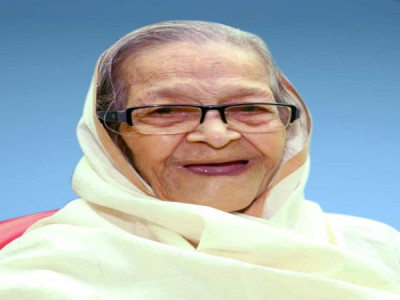
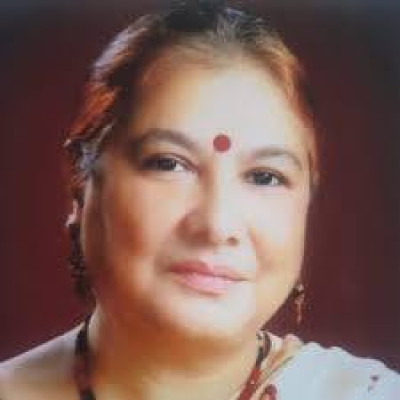
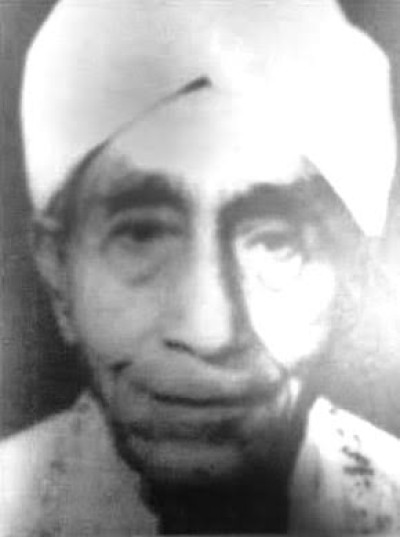
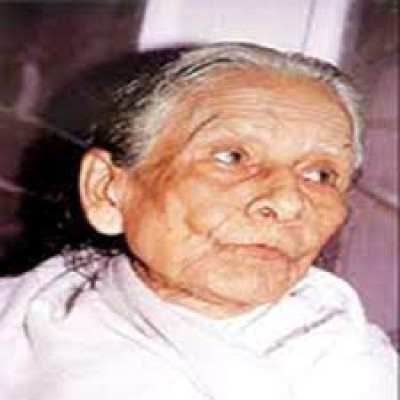
Pushpalata Das was born on 27 March 1915 in North Lakhimpur, Assam, to Rameswar Saikia and Swarnalata. She grew up in an environment that encouraged patriotism, discipline and social responsibility. From a very young age, she displayed leadership qualities and developed a deep concern for the welfare of society. Inspired by the national movement against British rule, she actively participated in public activities even during her school years.
Education
She received her early education at Panbazar Girls High School in Guwahati. While studying there, she became actively involved in student movements and served as the secretary of Mukti Sangha, a youth organization dedicated to nationalist activities. In 1931, she participated in demonstrations protesting the execution of Bhagat Singh, which resulted in her expulsion from school. Determined to continue her education, she completed her matriculation as a private candidate.
She later pursued higher studies at Banaras Hindu University and Andhra University, completing her graduation and postgraduate education in 1938. Afterwards, she enrolled at Earle Law College in Guwahati. However, her legal education was interrupted when she joined Mahatma Gandhi's Individual Satyagraha movement and was imprisoned for participating in the freedom struggle.
Role in India's Freedom Movement
Pushpalata Das dedicated her youth to India's independence movement. During her childhood she joined the Banar Sena and encouraged the use of khadi by organizing spinning groups. As her political awareness grew, she became one of Assam's prominent women activists.
She later worked with the Women's Sub-Committee of the National Planning Committee in Mumbai, where she collaborated with distinguished leaders such as Mridula Sarabhai and Vijaya Lakshmi Pandit. In 1942, she married freedom fighter and legislator Omeo Kumar Das, and together they devoted themselves to public service.
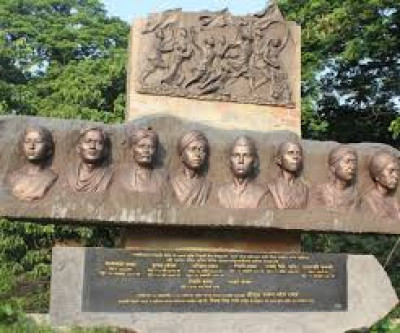
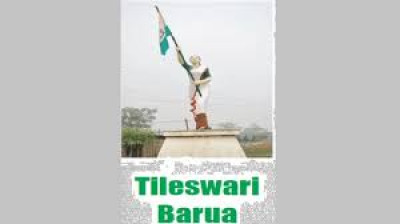
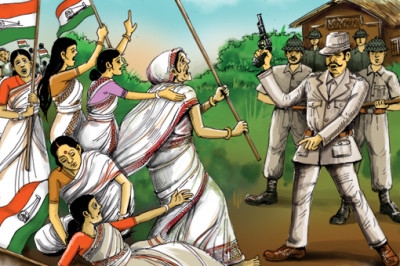
After returning to Assam during the Quit India Movement, Pushpalata Das founded two important volunteer organizations, Shanti Bahini and Mrityu Bahini. These groups mobilized people against British rule and encouraged peaceful resistance. During a protest in September 1942, British police opened fire on demonstrators carrying the national flag, leading to the martyrdom of Kanaklata Barua. The incident became one of the defining moments of Assam's freedom struggle.
She also played an important role in opposing the proposal to group Assam with East Pakistan during the Cabinet Mission Plan, helping safeguard the political interests and identity of the state.
Political Career
Following India's independence, Pushpalata Das continued serving the nation through democratic institutions. She was nominated to the Rajya Sabha in 1951 and served until 1961. During her parliamentary career, she actively contributed to discussions on national development, social welfare and women's issues.
She later represented the Dhekiajuli Assembly constituency as a member of the Assam Legislative Assembly after winning elections in 1967 and 1971. She also became a member of the All India Congress Committee and worked as the convener of the women's wing of the Assam Pradesh Congress Committee.
Social Service and Public Contributions
Beyond politics, Pushpalata Das devoted herself to social development and community welfare. She worked extensively to promote khadi, village industries, women's education and rural self-reliance. She served as the chairperson of the Assam branches of the Khadi and Village Industries Commission, Kasturba Gandhi National Memorial Trust, and the Bhoodan and Gramdan movements.
She was also associated with the Central Social Welfare Board, the Congress Planning Committee and the Film Censor Board. Her efforts focused on improving the lives of women, strengthening rural communities and encouraging self-employment through Gandhian ideals.
Literary Works
Pushpalata Das also contributed to Assamese literature and journalism. She served as the editor of the Assamese magazine Jayanti, which promoted literature, social awareness and public discourse. She authored the book Rajarama Sukla Rashtriyaatma Varchasva Evam Krititva, published in 1976, highlighting her intellectual interests alongside her public life.
Major Achievements
- Active participant in India's freedom movement.
- Founder of Shanti Bahini and Mrityu Bahini in Assam.
- Member of the All India Congress Committee.
- Nominated Member of the Rajya Sabha (1951-1961).
- MLA from Dhekiajuli Assembly Constituency.
- Leader in promoting women's empowerment and rural development.
- Played an important role in protecting Assam's political interests during the Cabinet Mission period.
- Editor of the Assamese magazine Jayanti.
- Dedicated Gandhian social worker and public servant.
Awards and Recognition
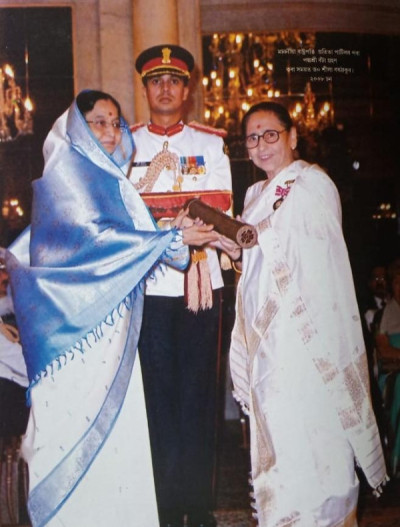
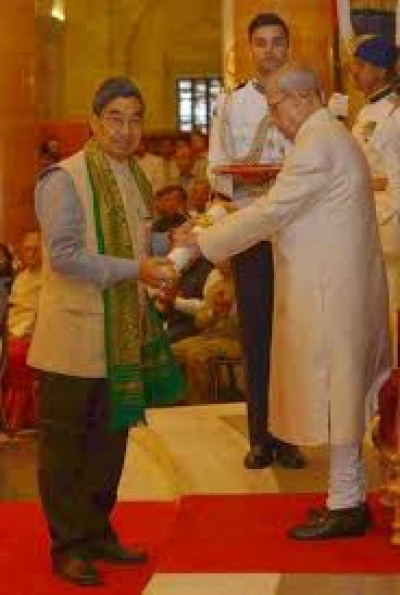
Pushpalata Das received numerous honours for her contribution to the nation. In 1999, the Government of India awarded her the Padma Bhushan, India's third-highest civilian honour, in recognition of her exceptional service to society and the nation.
She was also offered the Tamrapatra Freedom Fighter Award by the Government of India. Demonstrating her selfless character, she declined the honour, stating that she had joined the freedom movement out of duty to the country rather than for personal recognition. Her decision remains one of the finest examples of humility among India's freedom fighters.
Death
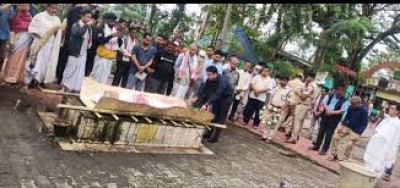
Pushpalata Das passed away on 9 November 2003 in Kolkata at the age of 88. Her passing marked the end of an extraordinary chapter in Assam's history, but her legacy continues through her contribution to India's independence, democratic institutions and social development. Today, she is remembered as one of Assam's greatest women leaders whose life reflected courage, patriotism, integrity and lifelong service to humanity.
FAQs about Pushpalata Das
1. Who was Pushpalata Das?
Pushpalata Das was an Indian freedom fighter, Gandhian, social reformer and political leader from Assam. She actively participated in India's independence movement and later served in the Rajya Sabha and Assam Legislative Assembly.
2. When and where was Pushpalata Das born?
Pushpalata Das was born on 27 March 1915 in North Lakhimpur, Assam, India.
3. Why is Pushpalata Das famous?
She is remembered for her significant role in India's freedom struggle, her contribution to women's empowerment, rural development, and her long career in public service. She was also awarded the Padma Bhushan for her contributions.
4. What was Pushpalata Das' role in the Indian freedom movement?
She participated in the Civil Disobedience Movement, Individual Satyagraha and Quit India Movement. She founded Shanti Bahini and Mrityu Bahini to mobilize people against British rule and was imprisoned for her participation in the freedom struggle.
5. Who was Pushpalata Das' husband?
Pushpalata Das was married to Omeo Kumar Das, a noted freedom fighter, politician and social worker from Assam.
6. Which awards did Pushpalata Das receive?
She received the Padma Bhushan in 1999 for her outstanding contribution to society. She also declined the Tamrapatra Freedom Fighter Award, stating that she had never expected recognition for serving the nation.
7. What political positions did Pushpalata Das hold?
She served as a Member of the Rajya Sabha from 1951 to 1961 and was later elected as the MLA from the Dhekiajuli Assembly constituency.
8. What books did Pushpalata Das write?
Her best-known published work is Rajarama Sukla Rashtriyaatma Varchasva Evam Krititva. She also served as the editor of the Assamese magazine Jayanti.
9. How did Pushpalata Das contribute to Assam after Independence?
After Independence, she worked extensively for rural development, women's welfare, khadi promotion, village industries, education and various social welfare initiatives across Assam.
10. When did Pushpalata Das die?
Pushpalata Das passed away on 9 November 2003 in Kolkata at the age of 88, leaving behind a remarkable legacy of patriotism, public service and social reform.