Life & Legacy
Early Life
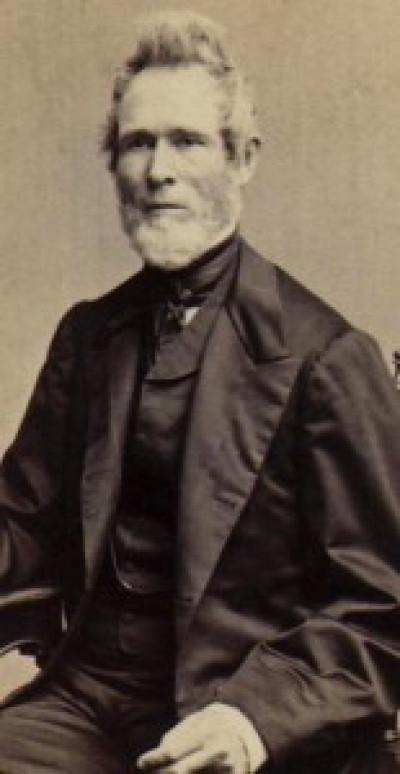
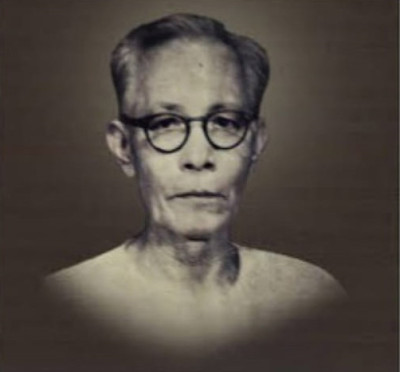
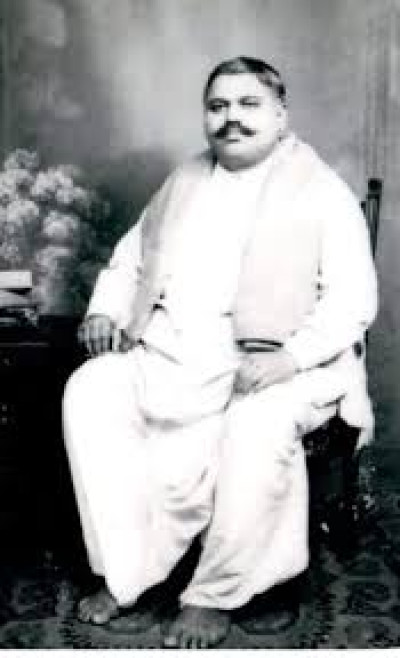
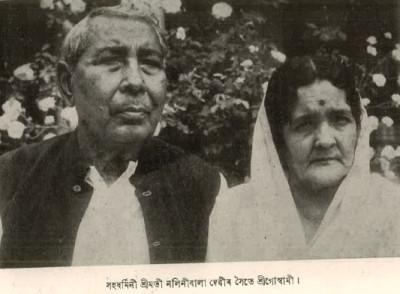
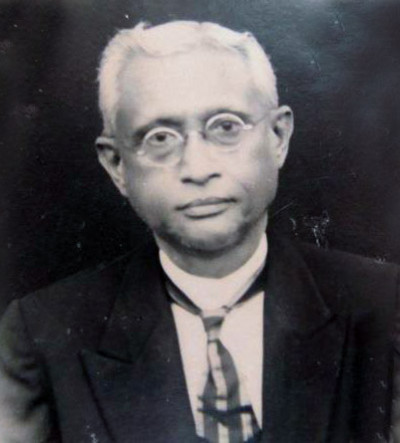
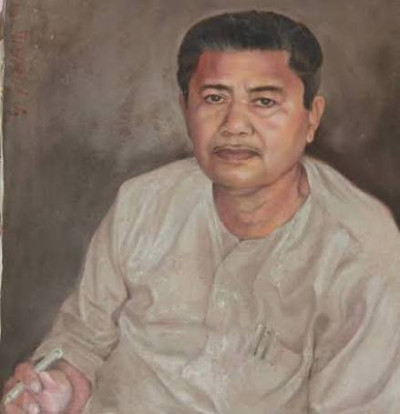
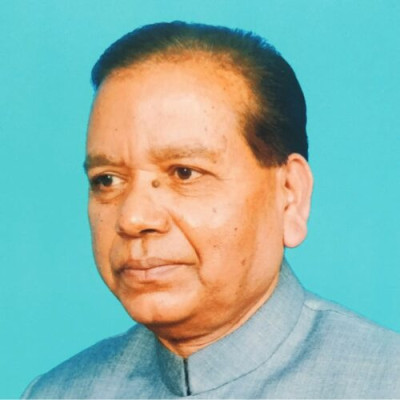
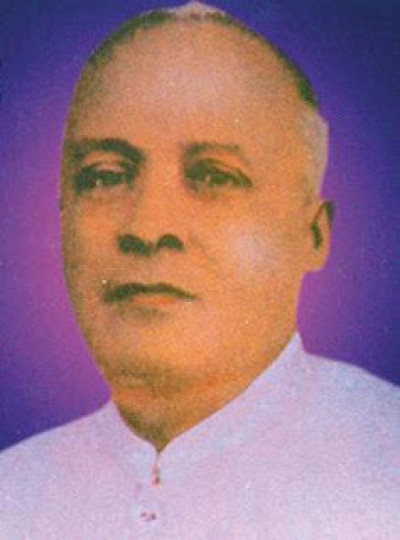
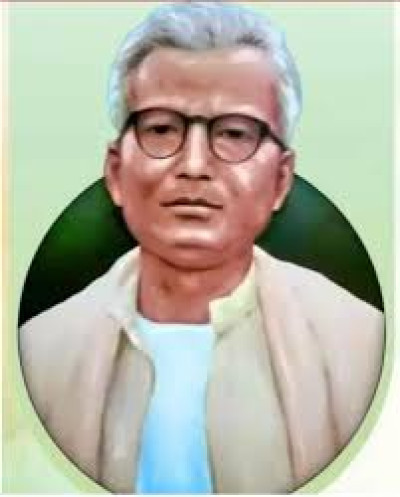
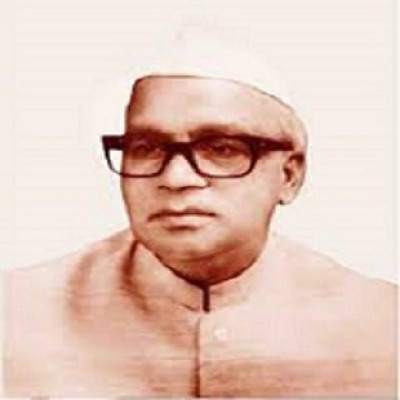
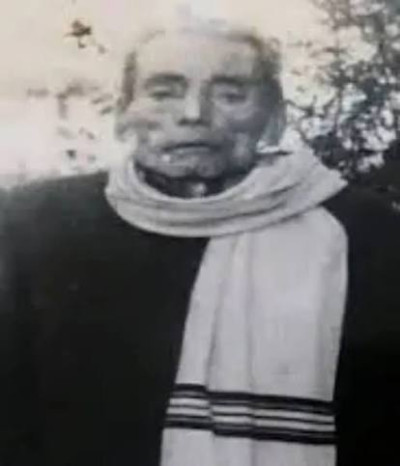
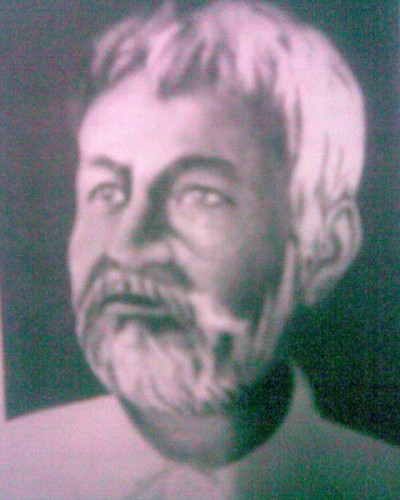
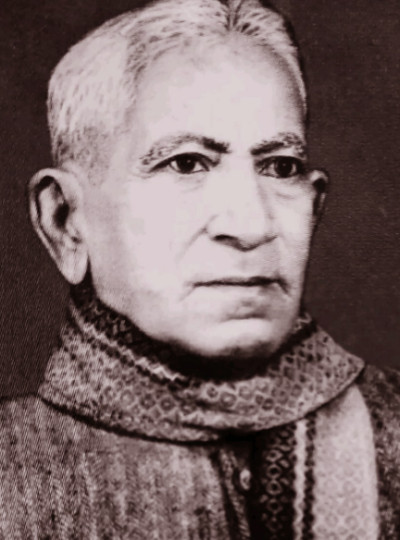
Padmadhar Chaliha was born in 1895 in Sivasagar, Assam, into a culturally rich family. His father was Phanidhar Chaliha and his mother was Gunadalata Chaliha. From an early age, he displayed exceptional talent in academics, music, acting, recitation and literature. He actively participated in Bhaona performances and literary competitions, earning recognition for his creativity and intellectual ability. His passion for Assamese language and culture developed during his childhood and remained the guiding force throughout his life.
Education
Padmadhar Chaliha completed his schooling at Sivasagar Government High School and passed the Entrance Examination in First Division with a government scholarship. He continued his higher education at Cotton College, Guwahati, where he secured the highest marks in English in the Intermediate examination. Later, he graduated with Honours in English from Presidency College, Calcutta. He completed his Master's degree in English and subsequently earned a Bachelor of Law degree from Earl Law College, Guwahati. His outstanding academic achievements established him as one of the brightest students of his generation.
Professional Career
After completing his education, Padmadhar Chaliha began his career as the Headmaster of Fuleswari Institution. Following his law degree, he practised as an advocate in Dibrugarh and later in Sivasagar. Although he enjoyed success in the legal profession, his primary interest remained education, literature and public service.
In 1947, he played a leading role in establishing Sibsagar College and became its founding Principal. Under his leadership, the institution emerged as one of Assam's prominent centres of higher education. He also briefly served in the administrative service as Acting Extra Assistant Commissioner before dedicating himself fully to education and literature.
Freedom Movement and Social Service
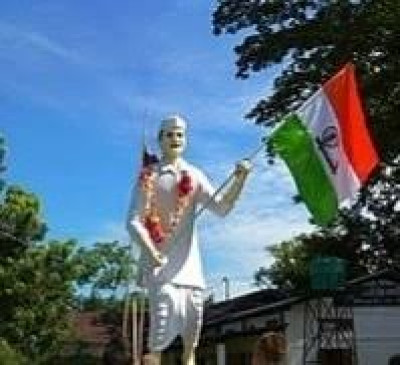
Padmadhar Chaliha actively participated in India's freedom struggle under the leadership of Mahatma Gandhi. He supported the Civil Disobedience Movement and other nationalist activities and was imprisoned for his involvement in the independence movement. His patriotic writings and songs inspired people to join the struggle for freedom and strengthened the spirit of nationalism in Assam.
Literary and Journalistic Contributions
Padmadhar Chaliha made outstanding contributions to Assamese literature as a poet, playwright, essayist, editor and translator. He edited several Assamese literary journals and newspapers including Argha, Asomiya, Bahi, Sadiniya, Tinidiniya and Asomjyoti. Through these publications, he encouraged young writers and promoted literary discussions across Assam.
As a lyricist, he believed that music was a powerful tool for social awareness and national unity. His patriotic songs gained immense popularity during the freedom movement. As a playwright and translator, he successfully adapted international literary works into Assamese while preserving their cultural essence. His autobiography, Jeevan Beenor Sur, remains an important literary work that documents both his personal journey and the social history of Assam.
Major Literary Works
Poetry and Song Collections
- Phuloni (1915)
- Swaraj Sangeet (1921)
- Geeti Lahari (1923)
- Sharai (1928)
- Rangpure Kotha Koi (1956)
Plays
- Nimontrohon (1917)
- Amar Leela (1920)
- Kenemja (1923)
Autobiography
- Jeevan Beenor Sur (1963)
Essays and Other Works
- Sahityarathi Bezbarua
- Mahavir Lachit Borphukan
- Rangpuror Borongoni
- Edited Galpa Mala (1932)
Positions Held
- Founding Principal, Sibsagar College
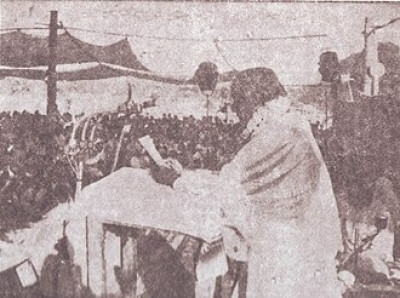
- President, Asam Sahitya Sabha (1958)
- President, Music Section of Asam Sahitya Sabha (1934)
- First Secretary, Assam Students' Conference
- Headmaster, Fuleswari Institution
- Advocate at Dibrugarh and Sivasagar
- Editor of Argha, Asomiya, Bahi, Sadiniya, Tinidiniya and Asomjyoti
Achievements
- Played a major role in developing modern Assamese literature.
- Contributed significantly to India's freedom movement.
- Helped establish Sibsagar College.
- Promoted Assamese music, literature and theatre.
- Encouraged several young writers through his editorial work.
- Produced patriotic songs that inspired the people of Assam.
- Successfully translated important literary works into Assamese.
- Strengthened Assamese journalism through multiple publications.
Awards and Recognition
Although Padmadhar Chaliha's greatest recognition came through public respect and literary leadership, his election as the President of Asam Sahitya Sabha in 1958 remains one of the highest honours of his literary career. He is remembered as one of the pioneering architects of modern Assamese literature and education.
Books Written
- Phuloni
- Swaraj Sangeet
- Geeti Lahari
- Sharai
- Rangpure Kotha Koi
- Jeevan Beenor Sur
- Sahityarathi Bezbarua
- Mahavir Lachit Borphukan
- Rangpuror Borongoni
- Galpa Mala (Editor)
Death
Padmadhar Chaliha passed away on 12 June 1969. His lifelong contribution to literature, education, journalism and the freedom movement continues to inspire generations of Assamese readers, students and researchers. His works remain valuable resources for understanding Assamese culture, nationalism and literary history.
FAQs about Padmadhar Chaliha
1. Who was Padmadhar Chaliha?
Padmadhar Chaliha was a renowned Assamese poet, freedom fighter, educationist, journalist, playwright and President of Asam Sahitya Sabha.
2. When was Padmadhar Chaliha born?
He was born in 1895 in Sivasagar, Assam.
3. Why is Padmadhar Chaliha famous?
He is famous for his contribution to Assamese literature, education, journalism, the Indian freedom movement and for founding Sibsagar College.
4. Which college was founded by Padmadhar Chaliha?
Padmadhar Chaliha was the founding Principal of Sibsagar College and played a key role in its establishment.
5. When did Padmadhar Chaliha become President of Asam Sahitya Sabha?
He served as the President of Asam Sahitya Sabha in 1958.
6. What are the famous books written by Padmadhar Chaliha?
His notable works include Phuloni, Swaraj Sangeet, Geeti Lahari, Sharai, Rangpure Kotha Koi and Jeevan Beenor Sur.
7. Did Padmadhar Chaliha participate in the Indian freedom movement?
Yes. He actively participated in the freedom movement under Mahatma Gandhi and was imprisoned for his nationalist activities.
8. What was Padmadhar Chaliha's profession?
He was an educationist, lawyer, poet, journalist, editor, playwright, lyricist and freedom fighter.
9. When did Padmadhar Chaliha pass away?
He passed away on 12 June 1969.
10. What is Padmadhar Chaliha's contribution to Assamese literature?
He enriched Assamese literature through poetry, songs, plays, essays, translations, journalism and educational leadership while promoting Assamese language and culture.