Life & Legacy
Early Life and Background
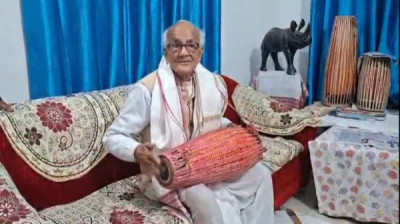
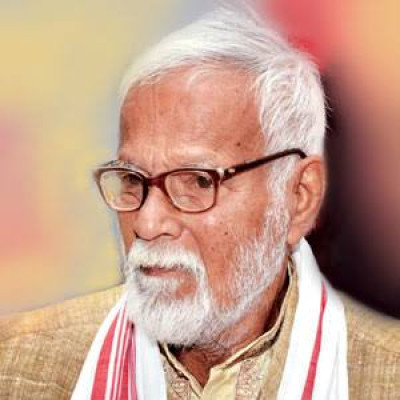
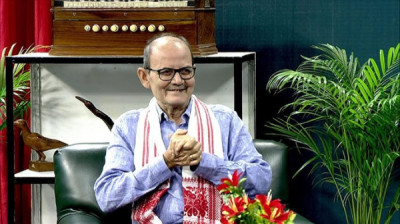
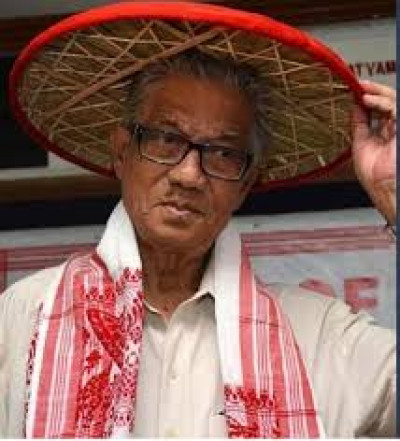
Drona Bhuyan was born on January 1, 1956, in Satgharia village in Sipajhar, located in the Darrang district of Assam. Coming from a financially humble family, his early life was marked by hardship and struggle. Due to economic constraints, he could only complete primary education. However, despite these challenges, his passion for traditional music and dance emerged at a very young age.
As a child of around 7 to 8 years, he began accompanying his father to local Jatra parties, where theatrical performances were organized. These early experiences played a crucial role in shaping his artistic journey. He performed in various dramas such as 'Village Girl', 'Chandra Hangsa', and 'Lalasar Balley', earning appreciation for his acting talent even at a young age.
Journey into Folk Arts
Drona Bhuyan’s deep interest in Suknani Sangeet and traditional dance forms led his father to send him to learn under Ratneswar Bora, a respected Oja (master performer) of Suknani Ojapali. This marked the beginning of his formal association with the Ojapali tradition. He further refined his skills under the guidance of Late Chandra Kanta Nath Oja, a prominent figure in this art form.
Over the years, Bhuyan mastered Suknani Ojapali, a unique blend of storytelling, music, and dance rooted deeply in Assamese tradition. Alongside this, he also became a skilled performer of Deodhani dance, a ritualistic dance form associated with spiritual and cultural practices.
Contributions to Assamese Culture
Drona Bhuyan is widely regarded as a guardian of Assam’s intangible cultural heritage. At a time when many traditional art forms are fading due to modernization, he has played a pivotal role in preserving and promoting these practices.
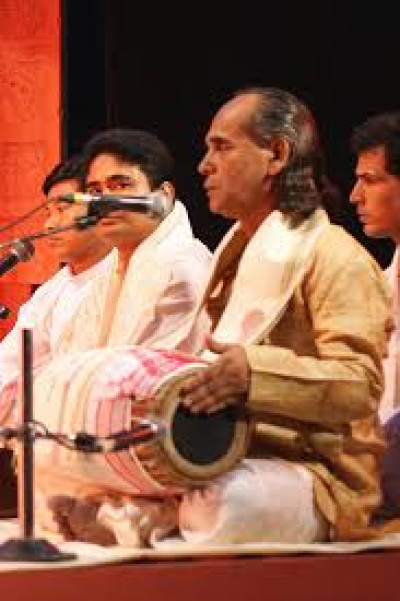
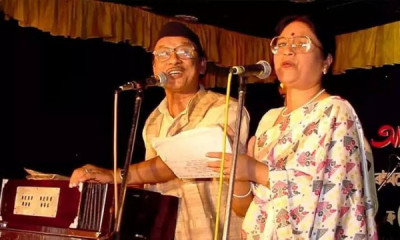
He performed Suknani Ojapali and Deodhani dance on prestigious platforms, including an early performance at Pragati Maidan in Delhi in 1972. His expertise in drumming and performance further enriched his artistic profile.
As a regular artist associated with All India Radio Guwahati and the Sangeet Natak Akademi, he contributed significantly to the dissemination of Assamese folk culture. He also participated as a resource person in workshops held at institutions like the National School of Drama, Delhi, as well as universities in Guwahati, Dibrugarh, and Tezpur.
Role as a Teacher and Mentor
One of the most remarkable aspects of Drona Bhuyan’s life is his dedication to teaching and mentoring the next generation. In 2009, he established a training institute at his residence known as the Traditional Performing Art Centre. Through this initiative, he has trained numerous young artists in Suknani Ojapali and related performing arts.
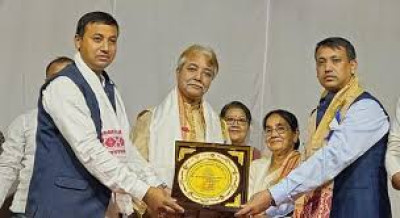
His efforts in passing down traditional knowledge earned him the title of 'Guru' from the Ministry of Culture, Government of India. This recognition reflects his role not only as a performer but also as a preserver and educator of cultural traditions.
Awards and Recognition
Throughout his illustrious career, Drona Bhuyan has received several prestigious awards that highlight his immense contribution to Indian folk culture. Some of his notable recognitions include:
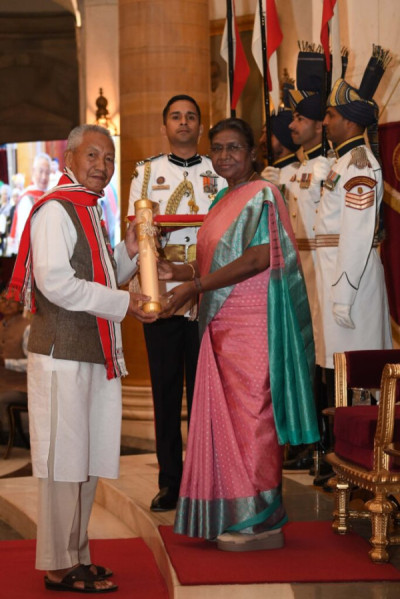
- Padma Shri (2024) for contributions to art
- Assam Gaurav Award (2023)
- Bishnu Rabha Bota (2021)
- Ek Kalin Bota (2019)
- Meera Award (2012)
- Guru Title by Ministry of Culture (2009)
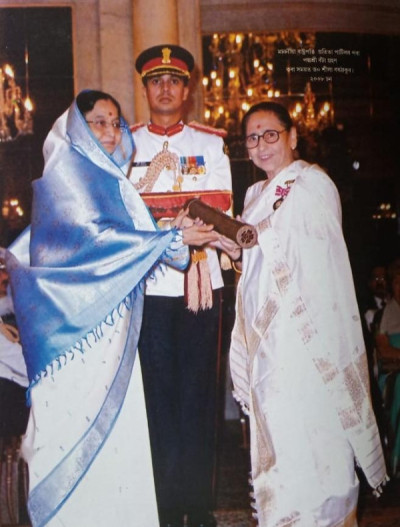
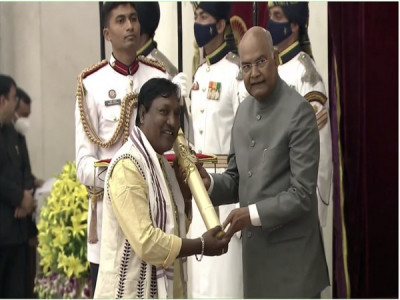
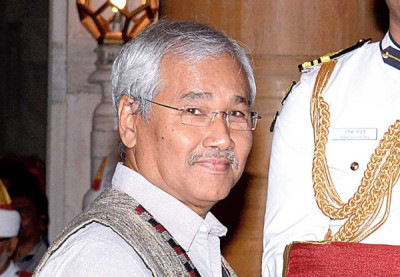
A memorable moment during the Padma Awards ceremony in 2024 was when Narendra Modi showed deep respect by touching Drona Bhuyan’s feet. This gesture symbolized the nation’s gratitude towards his lifelong dedication to preserving traditional art forms.
Cultural Significance of His Work
The work of Drona Bhuyan goes beyond performance. It represents a living tradition that connects generations through storytelling, music, and spiritual expression. Suknani Ojapali, in particular, is an art form that combines narrative singing with expressive gestures, often rooted in mythological and cultural themes.
Similarly, Deodhani dance carries ritualistic importance and reflects the spiritual heritage of Assam. By mastering and promoting these forms, Bhuyan has ensured that they remain relevant in contemporary times.
Legacy and Impact
Drona Bhuyan is often described as a bridge between the past and the present. His life story is an inspiration for aspiring artists, especially those from rural backgrounds. Despite facing financial hardships and limited formal education, he achieved national recognition through dedication and passion.
His efforts have significantly contributed to the preservation of Assam’s cultural identity. Today, many of his students continue to perform and promote these art forms, ensuring that his legacy lives on.
In an era of rapid globalization, the importance of preserving indigenous knowledge and cultural practices cannot be overstated. Drona Bhuyan’s work stands as a powerful reminder of the richness of India’s folk traditions and the need to protect them for future generations.
FAQs on Drona Bhuyan