Life & Legacy
Early Life
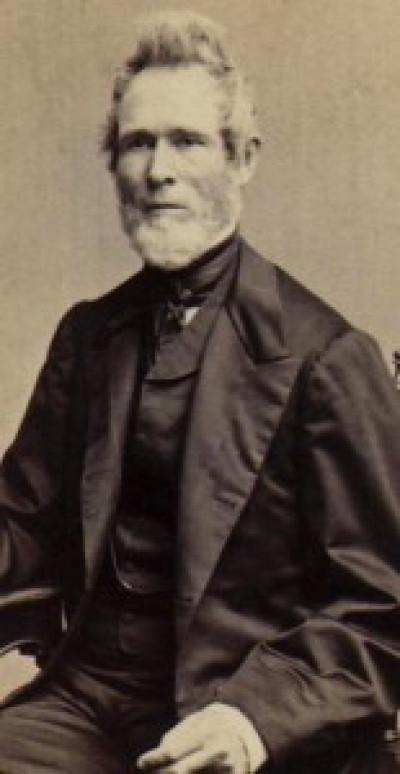
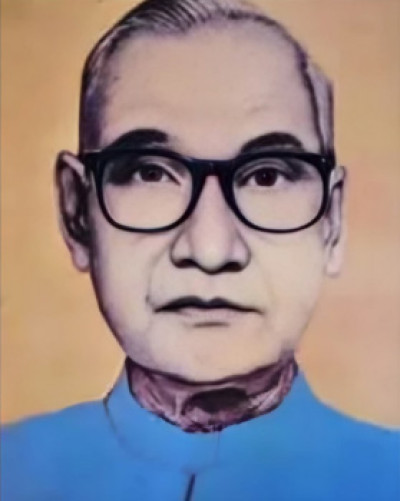
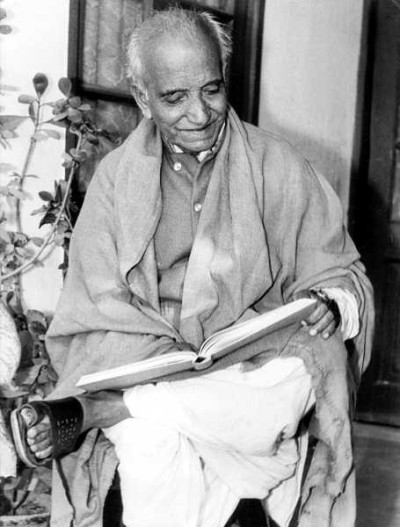
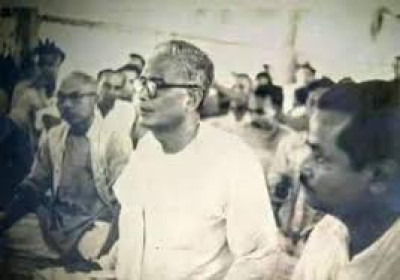
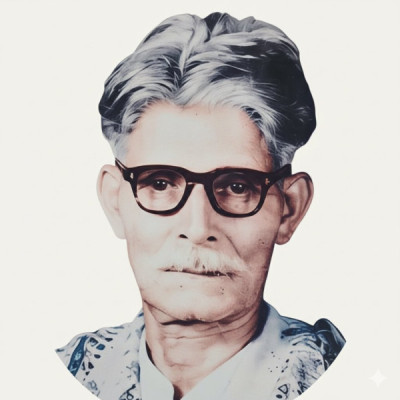
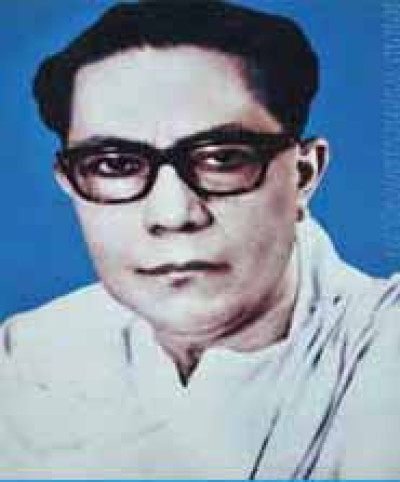
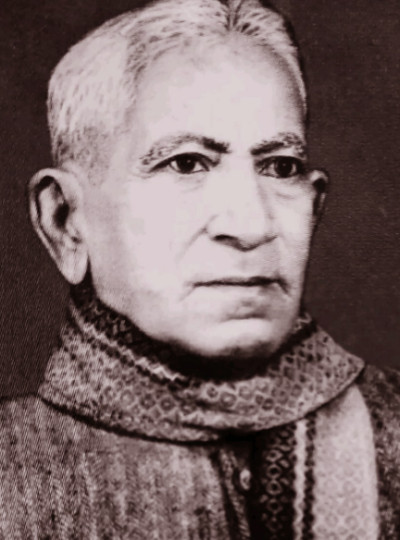
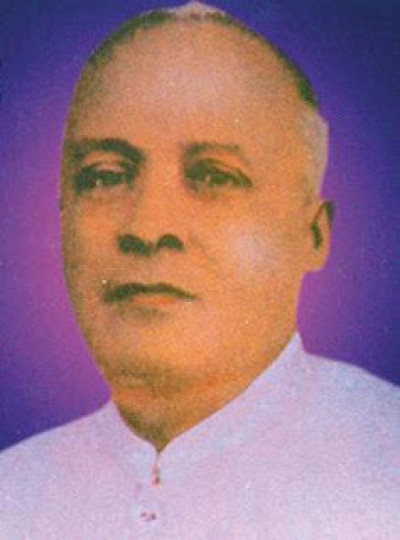
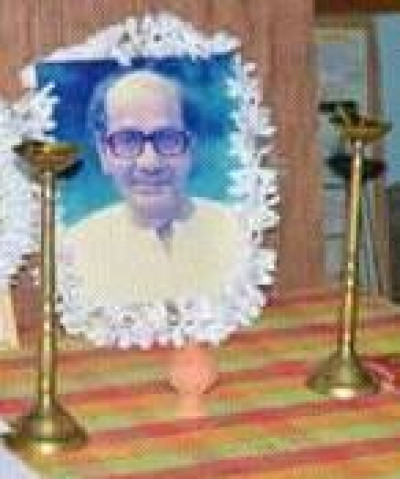
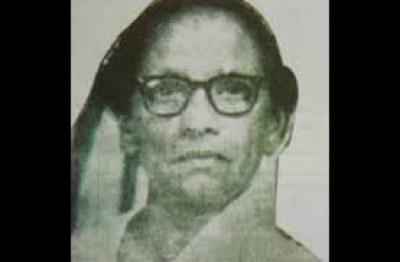
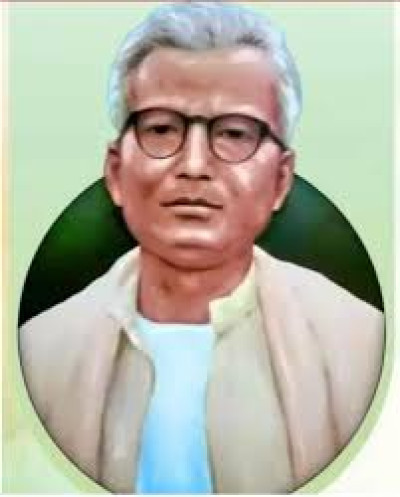
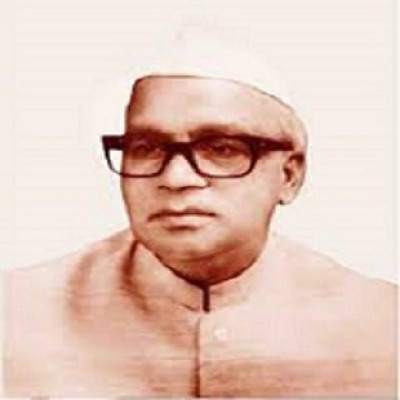
Omeo Kumar Das was born on 21 May 1895 in Nagaon district of Assam. From an early age, he displayed a keen interest in education, public affairs and social service. Growing up during the rise of India's national movement, he was deeply influenced by the ideals of patriotism and selfless service, which shaped the course of his life.
Education
He completed his schooling at Tezpur High School before pursuing higher education at Cotton College, Guwahati, and later at City College, Calcutta. During his student life, he came under the influence of national leaders such as Gopal Krishna Gokhale and Bal Gangadhar Tilak. Their teachings encouraged him to participate in student activism and eventually dedicate himself to the Indian independence movement.
Role in the Freedom Movement
Omeo Kumar Das emerged as one of the prominent leaders of the Civil Disobedience Movement in Assam during 1930. He actively participated in campaigns against British rule and was imprisoned several times for his nationalist activities. His courage, determination and unwavering belief in Mahatma Gandhi's principles earned him widespread respect among freedom fighters.
He also played an important role in strengthening the freedom movement in Assam by mobilizing students, youth and rural communities. His dedication to the national cause established him as one of the leading Gandhian figures of Northeast India.
Political Career
Following his involvement in the freedom movement, Omeo Kumar Das successfully contested the Assam Legislative Assembly election in 1937 and later became a member of the Constituent Assembly in 1945, contributing to the foundation of independent India.
After Independence, he represented the Dhekiajuli Assembly constituency for three consecutive terms in 1951, 1957 and 1962. During his political career, he held several important ministerial portfolios, including Education, Labour, Food and Civil Supplies, Publicity, Welfare of Backward Classes and Development of Backward Areas.
As Labour Minister, he introduced the Workers' Provident Fund for tea plantation labourers, one of the earliest labour welfare initiatives of its kind in Asia. His efforts significantly improved the welfare and financial security of thousands of tea garden workers.
As Education Minister, he played a leading role in implementing the Basic Education Scheme in Assam and worked tirelessly to expand educational opportunities across rural areas. His commitment to education also inspired the establishment of several educational institutions that continue to serve society.
Social Service
Apart from politics, Omeo Kumar Das dedicated much of his life to Gandhian social work. He actively participated in organizations such as Harijan Sevak Sangh, Bharat Sevak Samaj, Bharatiya Adim Jati Sevak Sangha, Gandhi Smarak Nidhi, Kasturba Smarak Nidhi and Assam Seva Samiti.
He worked extensively for rural development, prohibition campaigns, social equality, tribal welfare and the rehabilitation of patients suffering from diseases such as leprosy and tuberculosis. His humanitarian work reflected his lifelong commitment to serving the underprivileged.
Literary Contributions
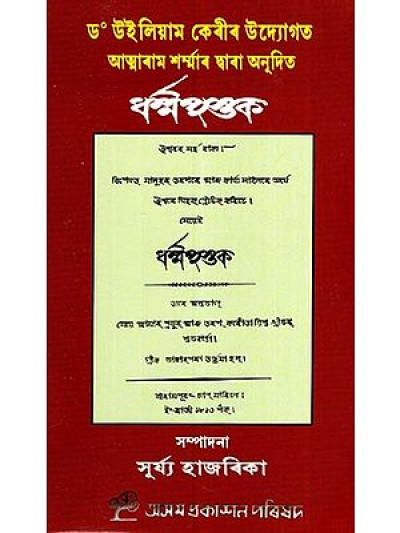
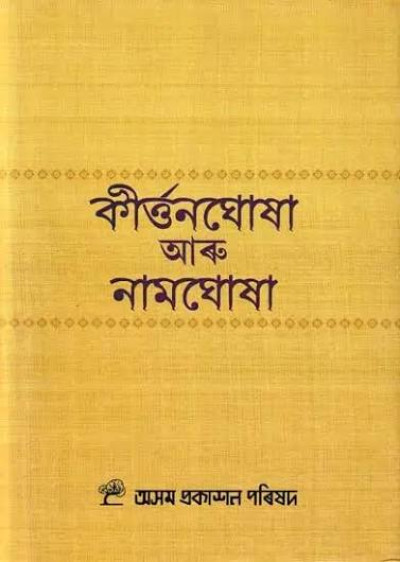
Omeo Kumar Das was also a respected writer and translator. His most notable literary contribution was translating Mahatma Gandhi's autobiography, The Story of My Experiments with Truth, into Assamese under the title Mor Satya Aneshwanar Kahini. Through his writings, he introduced Gandhian philosophy to Assamese readers and encouraged values of truth, non-violence and social justice.
He also authored several books on Mahatma Gandhi, Assamese society and public life, making valuable contributions to Assamese literature and political thought.
Major Achievements
- Played a leading role in the Civil Disobedience Movement in Assam.
- Imprisoned several times for participating in India's freedom struggle.
- Elected to the Assam Legislative Assembly in 1937.
- Served as a Member of the Constituent Assembly of India.
- Represented the Dhekiajuli Assembly constituency for three consecutive terms (1951, 1957 and 1962).
- Served as Minister of Education, Labour, Food and Civil Supplies, Welfare of Backward Classes and Development of Backward Areas.
- Introduced the Workers' Provident Fund for tea plantation labourers, one of the earliest labour welfare schemes in Asia.
- Implemented and strengthened the Basic Education Scheme in Assam.
- Worked extensively for rural development, social welfare and Gandhian causes.
- Promoted Assamese literature through his writings and translations.
- Translated Mahatma Gandhi's autobiography into Assamese, making Gandhian philosophy accessible to Assamese readers.
- Associated with Harijan Sevak Sangh, Bharat Sevak Samaj, Bharatiya Adim Jati Sevak Sangha, Gandhi Smarak Nidhi, Kasturba Smarak Nidhi and Assam Seva Samiti.
Awards and Recognition
Death
Omeo Kumar Das passed away on 23 January 1975 at the age of 79. He left behind an extraordinary legacy as a freedom fighter, educationist, Gandhian thinker and social reformer. His lifelong service to Assam and India continues to inspire future generations, and he remains one of the most respected personalities in the history of modern Assam.
FAQs about Omeo Kumar Das
1. Who was Omeo Kumar Das?
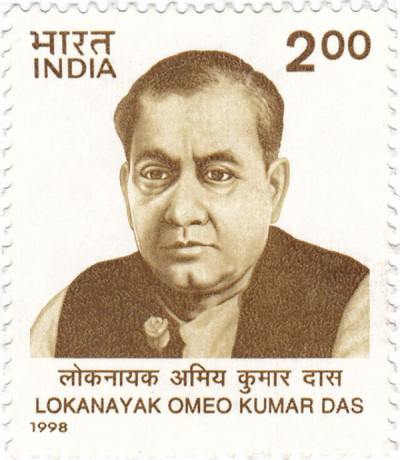
Omeo Kumar Das was an Indian freedom fighter, Gandhian, educationist, social reformer, writer and politician from Assam. He was popularly known as Lok Nayak for his lifelong contribution to public service.
2. When and where was Omeo Kumar Das born?
Omeo Kumar Das was born on 21 May 1895 in Nagaon district, Assam, India.
3. Why is Omeo Kumar Das famous?
He is best known for his contribution to India's freedom movement, educational reforms, labour welfare, Gandhian social work and Assamese literature. He also served as a minister in the Government of Assam.
4. What role did Omeo Kumar Das play in the Indian freedom movement?
He actively participated in the Civil Disobedience Movement and other nationalist campaigns against British rule. He was imprisoned several times for his involvement in the freedom struggle.
5. Which ministerial positions did Omeo Kumar Das hold?
He served as the Minister of Education, Labour, Food and Civil Supplies, Welfare of Backward Classes, Development of Backward Areas and Publicity in the Government of Assam.
6. What are the major literary works of Omeo Kumar Das?
His notable works include Mor Satya Aneshwanar Kahini, Gandhijir Jiboni, Mahatma Gandhik Aami Kidore Bujilu and Asomot Mahatma.
7. Which award was conferred on Omeo Kumar Das?
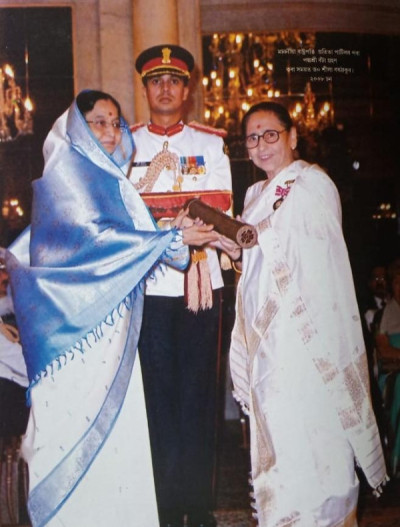
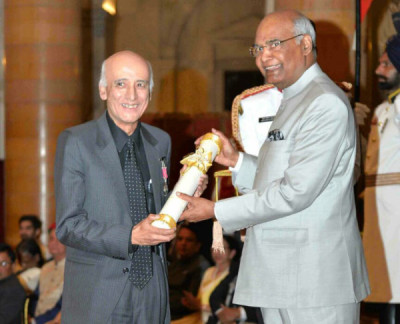
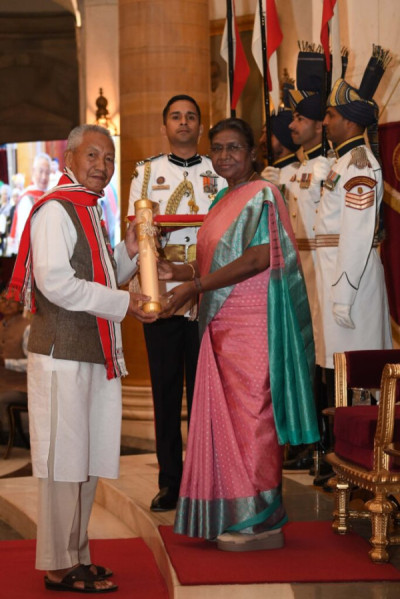
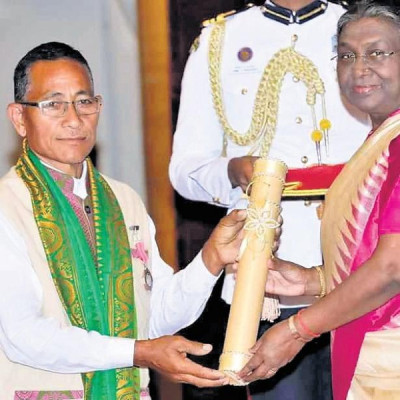
The Government of India honoured him with the Padma Bhushan in 1963 for his outstanding contribution to society and public service.
8. Who was the wife of Omeo Kumar Das?
Omeo Kumar Das was married to Pushpalata Das, a renowned freedom fighter, Gandhian and former Member of Parliament from Assam.
9. What is the contribution of Omeo Kumar Das to education?
As Education Minister, he promoted the Basic Education Scheme, encouraged educational development across Assam and inspired the establishment of several important educational institutions.
10. When did Omeo Kumar Das die?
Omeo Kumar Das passed away on 23 January 1975. He is remembered as one of Assam's greatest freedom fighters, educationists and social reformers.