Life & Legacy
Early Life and Education
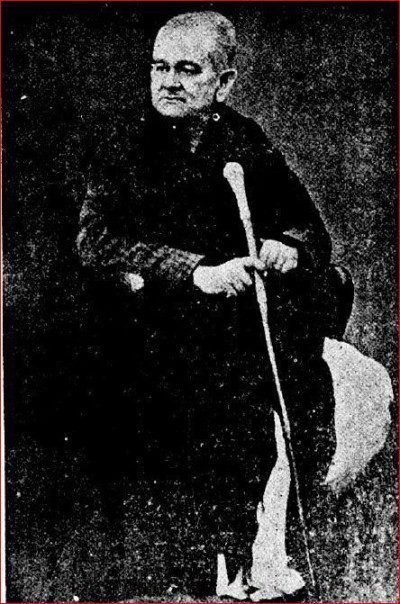
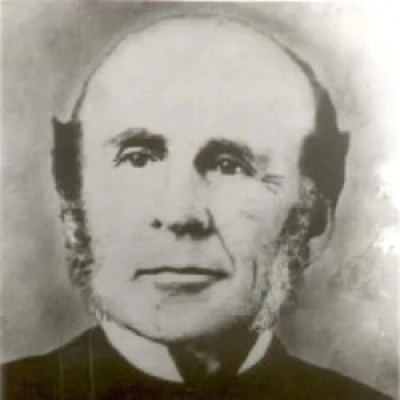
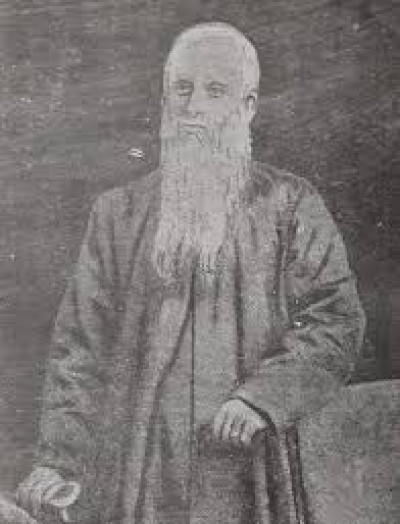
Nathan Brown was born in New Ipswich, New Hampshire, in the United States. He studied at Williams College, where he graduated at the top of his class, and later studied at Newton Theological Institution. Before beginning missionary work, he taught in Vermont and was also associated with a religious newspaper. In 1830, he married Eliza Brown, and the couple later travelled to Burma as missionaries.
Arrival in Assam and Missionary Work
Brown came to Assam in the 1830s along with fellow missionary and printer Oliver T. Cutter. They brought a printing press and reached Sadiya, beginning missionary and educational activities in the region. Brown initially intended to work with Burmese-language Bible translation, but after arriving in Assam he recognized the importance of Assamese and devoted himself to learning the language. He became proficient in Assamese and worked with schools, textbooks, printing and translation.
In 1843, Brown moved to Sivasagar, where he spent several important years working for the mission. Along with his associates, he helped establish Assamese-medium schools and supported educational activities. His work also extended to the preservation and publication of Assamese historical writings.
Contribution to Assamese Language and Literature
One of Nathan Brown's most important achievements was the publication of Grammatical Notices of the Assamese Language in 1848. The work provided a systematic study of Assamese grammar at a time when the language faced official neglect and was often incorrectly treated as a form of Bengali. Brown's linguistic work, publications and association with Assamese scholars helped strengthen recognition of Assamese as a distinct language.
Brown also played an important role in the development of Assamese journalism. In 1846, he and Oliver Cutter were associated with Orunodoi, regarded in the supplied references as the first Assamese periodical. Brown served as its editor and used the publication to disseminate educational, religious, linguistic and general knowledge.
His printing work also helped preserve older Assamese writings. Publications associated with the Sivasagar Mission Press included Asam Buranji Puthi by Kashinath Tamuli Phukan, mathematical works by Bakul Kayastha and Chutia Buranji.
Bible Translation and Other Writings
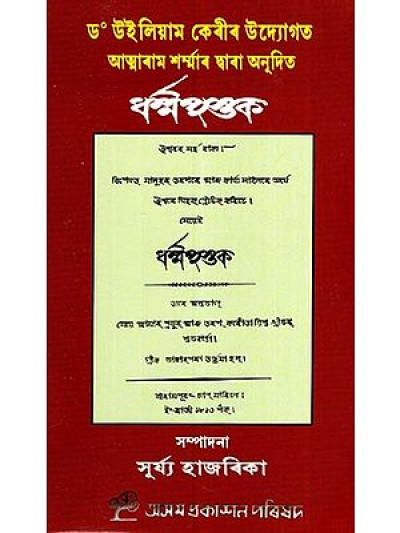
Brown translated portions of the Bible into Assamese and worked on the Assamese New Testament, published in 1848. He also translated the Gospels of Matthew, Mark, Luke and John and produced religious writings and prayers. Other works associated with him include The Journey of the Pilgrim, The Story of Joseph and The Life of Jesus Christ.
His published works include Grammatical Notices of the Assamese Language, The New Testament of Our Lord and Savior Jesus Christ translated into Assamese, and later works connected with Japanese Bible translation.
Social and Educational Contributions
Brown's contribution went beyond missionary activity. He and Eliza Brown supported Assamese-medium education, with Brown helping establish a number of schools and preparing educational materials in subjects such as arithmetic and geography. His efforts created opportunities for Assamese-language education and printing at a crucial period in the history of the language.
Later Life, Abolitionism and Japan
After leaving Assam, Brown returned to the United States and became involved in the abolitionist movement. He delivered anti-slavery sermons and became associated with the American Baptist Free Mission Society. He also met Abraham Lincoln in connection with the issue of emancipation.
Later, Brown turned his attention to Japan. In the 1870s, he travelled there as a missionary and worked with Jonathan Goble and Japanese scholars. He contributed to Bible translation, church activities and the production of Japanese religious literature. He died in Yokohama, Japan, on 1 January 1886.
Legacy
Nathan Brown is remembered in Assam particularly for his pioneering work in Assamese grammar, education, translation, printing and journalism. His publication of Grammatical Notices of the Assamese Language, involvement with Orunodoi and efforts to promote Assamese-language education made him an important figure in the history of modern Assamese language and literature. His work helped challenge the mistaken official perception of Assamese as merely a Bengali dialect and contributed to the wider recognition of Assamese as an independent language.
FAQs about Nathan Brown
Who was Nathan Brown?
Nathan Brown was an American Baptist missionary, linguist, translator and grammarian who made significant contributions to Assamese language, education, printing and literature.
When was Nathan Brown born?
Nathan Brown was born on 22 June 1807 in New Ipswich, New Hampshire, United States.
What was Nathan Brown famous for in Assam?
Nathan Brown is particularly known for his work on Assamese grammar, Bible translation, education, printing and his association with the Assamese periodical Orunodoi.
What was Nathan Brown's contribution to Assamese grammar?
He published Grammatical Notices of the Assamese Language in 1848, an important early systematic study of Assamese grammar.
What was Orunodoi?
Orunodoi was an early Assamese periodical associated with Nathan Brown and Oliver Cutter. Brown served as its editor and contributed to its development.
When did Nathan Brown arrive in Assam?
Nathan Brown arrived in Assam in the 1830s as part of the American Baptist missionary effort and worked extensively in Sadiya and Sivasagar.
Did Nathan Brown translate the Bible into Assamese?
Yes. Nathan Brown worked on Assamese Bible translation and published an Assamese translation of the New Testament in 1848.
How did Nathan Brown help the Assamese language?
He learned Assamese, prepared grammar and educational materials, supported Assamese-medium schools, published Assamese writings and helped promote the recognition of Assamese as a distinct language.
Where did Nathan Brown work after Assam?
After returning to the United States and participating in the abolitionist movement, Brown later travelled to Japan, where he continued missionary, church and Bible translation work.
When and where did Nathan Brown die?
Nathan Brown died on 1 January 1886 in Yokohama, Japan.