Life & Legacy
Early Life
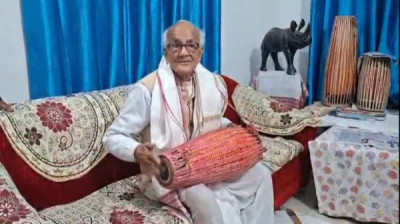
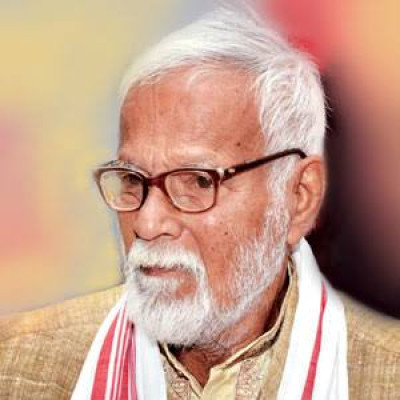
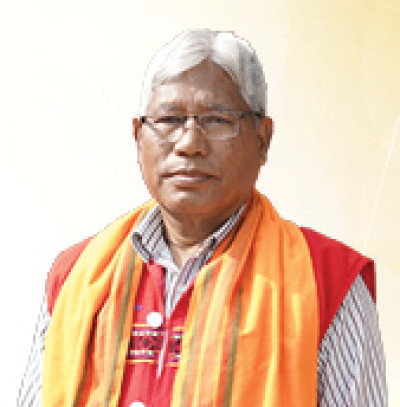
Nadiram Deuri was born in Markang Kuchi village in Morigaon district, Assam. He grew up in an environment deeply connected to the customs, traditions, and festivals of the Tiwa community. Although he did not pursue higher formal education, his passion for folk culture, music, and traditional knowledge inspired him to dedicate his entire life to preserving the rich cultural identity of the Tiwa people.
Career and Cultural Contributions
From an early stage of his career, Nadiram Deuri began documenting traditional Tiwa songs, rituals, dances, and oral literature that had previously been passed down only through generations. His work helped preserve many valuable traditions that were at risk of disappearing.
He is widely regarded as one of the leading exponents of Tiwa folk music and dance. His compositions beautifully portray the customs, agricultural traditions, festivals, and spiritual beliefs of the Tiwa community. Among his most notable contributions is his work relating to the Barat Festival, where his traditional hymns and musical compositions continue to be performed during important religious and cultural ceremonies.
Nadiram Deuri has also made significant contributions to the preservation of Langkhon Phuja, an important agricultural festival of the Hill Tiwa community. He has composed traditional songs, choreographed the Langkhon Dance, and actively promoted these performances throughout Assam.
Pioneer of Tiwa Folk Music Recording
A historic milestone in his career came on 20 January 1995 when he produced the first-ever commercial audio cassette of traditional Tiwa folk songs. This achievement marked a turning point in preserving Tiwa music and introduced the community's rich musical heritage to a much wider audience.
His pioneering recording remains one of the most significant cultural milestones for the Tiwa community and continues to inspire new generations of folk musicians.
Research, Writing and Documentation
Apart from being a performer and composer, Nadiram Deuri has also worked extensively as a researcher and writer. Over several decades, he has written numerous songs, articles, and books documenting Tiwa customs, oral traditions, folk literature, religious rituals, and cultural history.
His documentation has become an important source of information for researchers, students, cultural organisations, and institutions working on indigenous heritage and folk traditions of Northeast India.
Teacher and Cultural Mentor
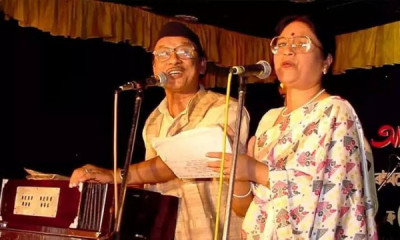
Nadiram Deuri has devoted a large part of his life to training young artists. Through his cultural group, "Nadiram and Group," he regularly conducts workshops, seminars, and training programmes in schools, colleges, and cultural institutions across Assam.
He has also participated in several government-supported cultural preservation initiatives, helping young performers learn traditional Tiwa music, dance, and festival rituals. His mentorship has enabled hundreds of young artists to continue practising their ancestral traditions with pride.
Positions and Responsibilities
Throughout his long career, Nadiram Deuri has served in several important cultural roles, including:
- Senior Tiwa folk artist and cultural exponent
- Folk music composer
- Researcher of Tiwa history and traditions
- Author on Tiwa folk culture
- Choreographer of traditional Tiwa dances
- Cultural mentor and master trainer
- Founder and leader of "Nadiram and Group"
- Resource person for cultural documentation programmes
- Contributor to preservation initiatives supported by cultural organisations, including documentation of Tiwa traditions
Awards and Recognition
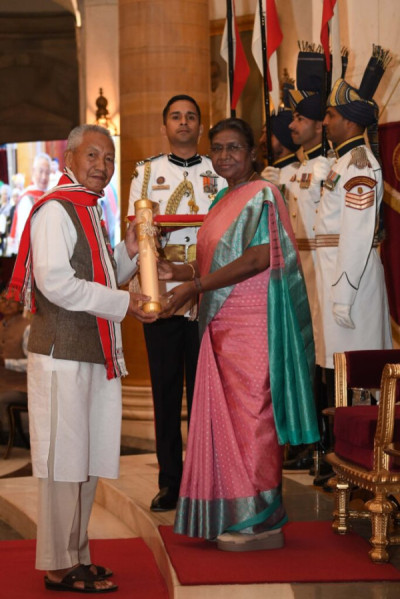
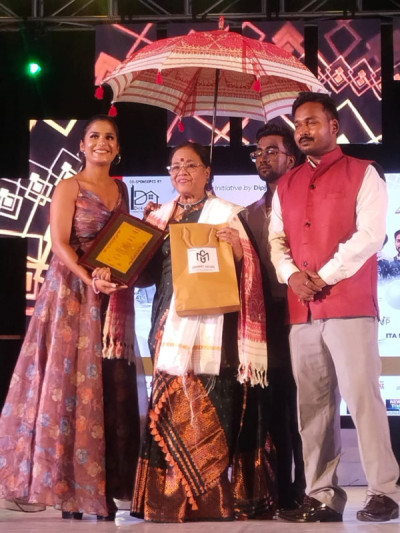
Nadiram Deuri's dedication to preserving Assam's indigenous heritage has received widespread recognition.
Major honours include:
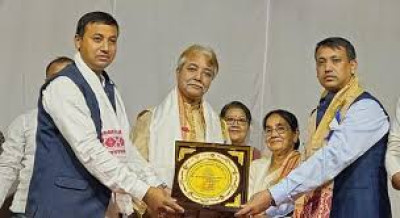
- Assam Saurav Award (2024), the second-highest civilian award of Assam, for outstanding contribution to Art and Culture
- Financial award of Rs. 4 lakh along with the Assam Saurav honour
- State recognition for preserving Tiwa folk music, dance, rituals, and oral traditions
- Honoured for pioneering the first commercial recording of Tiwa folk songs
- Recognised as one of Assam's leading custodians of indigenous tribal culture
Books and Literary Contributions
Nadiram Deuri has written several songs, research articles, and books dedicated to preserving Tiwa cultural traditions. His publications focus on:
- Tiwa folk songs
- Traditional Tiwa rituals
- Oral history of the Tiwa community
- Festival hymns
- Folk dances and choreography
- Indigenous cultural practices
His literary works have played an important role in documenting traditions that were previously preserved mainly through oral transmission.
Legacy
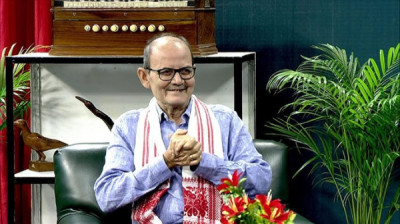
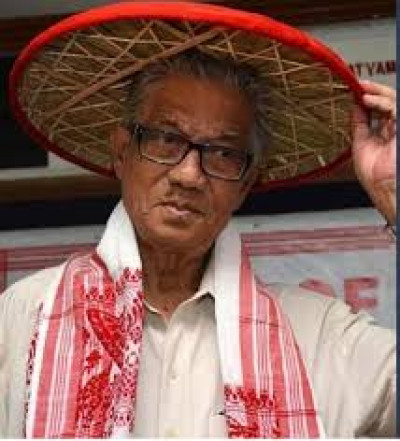
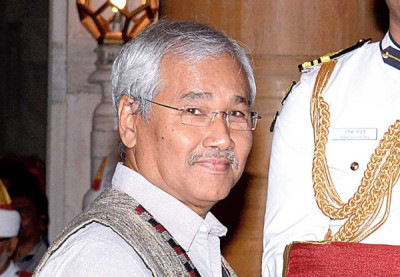
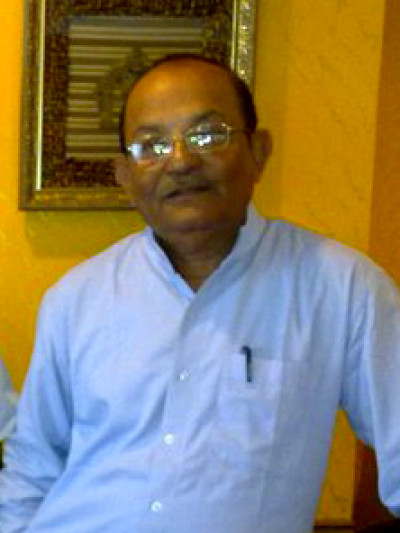
Shri Nadiram Deuri is regarded as one of the foremost guardians of Tiwa cultural heritage in Assam. His lifelong dedication to preserving folk music, traditional dance, indigenous literature, and community festivals has strengthened the cultural identity of the Tiwa people. Through his performances, writings, recordings, and mentorship, he has inspired younger generations to value and continue their ancestral traditions. His contribution extends beyond entertainment, serving as an enduring bridge between Assam's rich tribal heritage and modern society.
FAQs aboutShri Nadiram Deuri
1. Who is Shri Nadiram Deuri?
Shri Nadiram Deuri is a renowned Tiwa folk artist, composer, researcher, and cultural preservationist from Assam who has dedicated over four decades to preserving Tiwa music, dance, and traditions.
2. Why is Nadiram Deuri famous?
He is famous for preserving Tiwa folk culture, composing traditional songs, documenting indigenous customs, and producing the first commercial recording of Tiwa folk music.
3. Which award has Shri Nadiram Deuri received?
He received the prestigious Assam Saurav Award in 2024 for his outstanding contribution to Assam's indigenous art and cultural heritage.
4. Where is Nadiram Deuri from?
He was born in Markang Kuchi village in Morigaon district, Assam.
5. What is Nadiram Deuri's contribution to Tiwa culture?
He has preserved Tiwa folk songs, dances, rituals, festival hymns, oral literature, and traditional cultural practices through performances, research, writing, and training.
6. What was Nadiram Deuri's historic achievement in 1995?
On 20 January 1995, he produced the first-ever commercial audio cassette featuring traditional Tiwa folk songs.
7. What festivals are associated with Nadiram Deuri's work?
His work is closely associated with the Barat Festival and Langkhon Phuja, where his traditional songs, hymns, and dance choreography continue to be performed.
8. Has Nadiram Deuri written any books?
Yes. He has written books, research articles, and numerous songs documenting Tiwa history, folk traditions, rituals, and cultural heritage.
9. How has Nadiram Deuri contributed to cultural education?
He regularly conducts workshops, seminars, and training programmes to teach young artists traditional Tiwa music, dance, and indigenous cultural practices.
10. Why is Shri Nadiram Deuri important to Assam?
He is considered one of the foremost custodians of Tiwa heritage whose lifelong efforts have preserved and promoted Assam's indigenous tribal culture for future generations.