Life & Legacy
Early Life
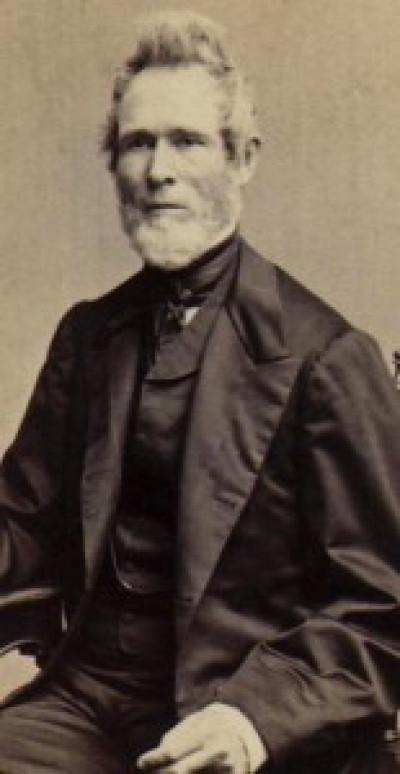
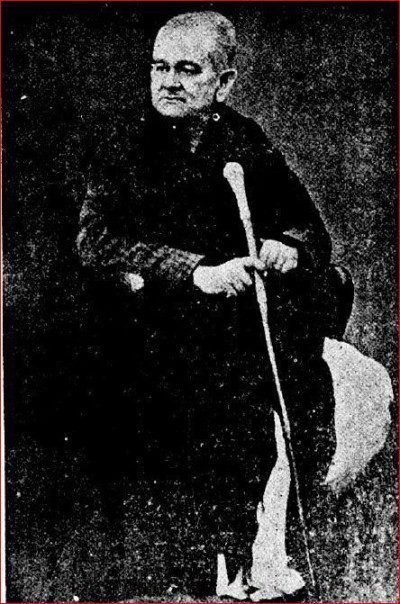
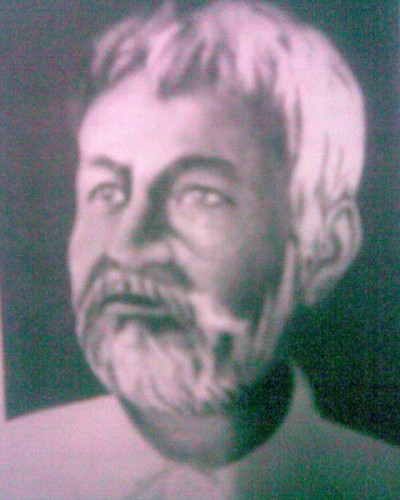
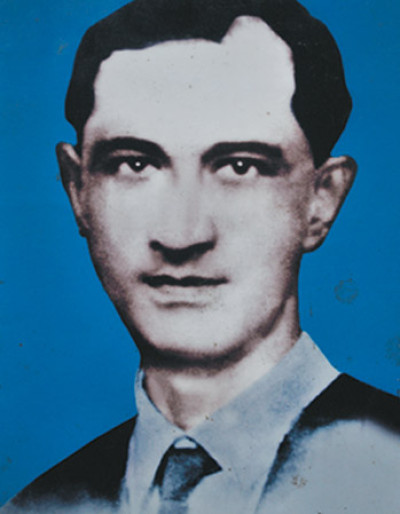
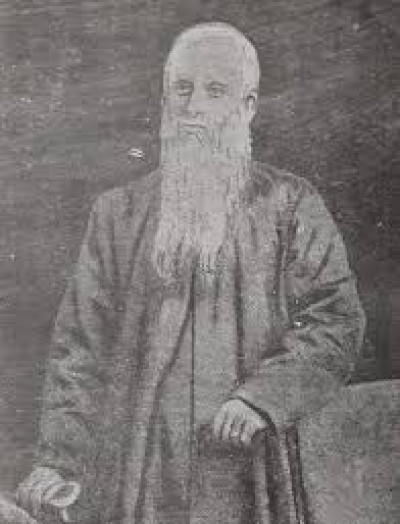
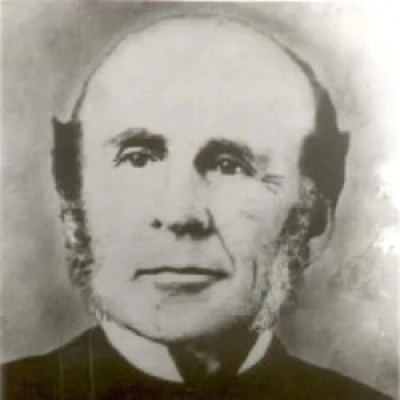
Miles Bronson was born on 20 July 1812 in Herkimer County, New York, United States, to Deacon Bronson and Rebekah Hall Bronson. From an early age, he developed a deep interest in religious studies and humanitarian service. After completing his theological education, he joined the American Baptist Missionary Union and prepared himself for missionary work in Asia. In 1836, he married Ruth Montague Lucas before beginning his journey to India.
Arrival in Assam and Missionary Work
Dr. Bronson arrived in Assam in 1838 as one of the early American Baptist missionaries invited to work in the northeastern region of India. Initially stationed at Sadiya, he later moved to Joypur (present-day Jeypore) and devoted himself to learning Assamese and several indigenous tribal languages. Rather than limiting his activities to preaching, he established schools, encouraged literacy and worked closely with local communities.
He spent considerable time among the Nocte tribe of present-day Arunachal Pradesh. Bronson studied their language, prepared educational materials and introduced printed books in the Nocte language. His educational initiatives included schools for children and evening classes for working villagers. These efforts represented some of the earliest organized educational activities among tribal communities in the region.
Contribution to the Assamese Language
Dr. Miles Bronson occupies a special place in Assamese literary history for his extraordinary contribution to the development of the language. During the nineteenth century, Assamese struggled for official recognition, and Bronson strongly supported its use in education and literature.
His most celebrated work, A Dictionary in Assamese and English, was published in 1867 by the American Baptist Mission Press at Sibsagar. The dictionary documented more than 14,000 Assamese words with English meanings, making it the first extensive Assamese-English dictionary ever published. It served as an invaluable reference for students, teachers, researchers, administrators and future lexicographers. The work also laid the foundation for later dictionaries, including Hemchandra Barua's famous Hemkosh.
Bronson also translated religious literature into Assamese and prepared educational books in Assamese, Nocte and other regional languages. His linguistic work played an important role in preserving Assamese vocabulary during a period when the language required scholarly documentation and standardization.
Educational and Social Contributions
Apart from his literary work, Bronson founded schools and educational institutions across Assam. He established the Nowgong Orphan Institution in 1843 to provide education and care for orphaned children. In 1845, together with fellow missionaries, he helped establish the first Baptist Church at Panbazar in Guwahati, which later became an important centre for educational and social activities.
His efforts extended beyond religion, focusing on literacy, language preservation, printing technology and educational development. He believed that education was the most effective means of improving society and empowering local communities.
Major Works
- A Dictionary in Assamese and English (1867)
- A Spelling Book and Vocabulary in English, Assamese, Singpho and Naga (1839)
- Phrases in English and Naga (1840)
- Catechism in Assamese
- Various educational books and translations in Assamese and Nocte
Positions Held
- American Baptist Missionary in Assam
- Linguist and Lexicographer
- Educationist
- Founder of the Nowgong Orphan Institution
- Co-founder of the First Baptist Church at Panbazar, Guwahati
- Author and Translator
Achievements
- Compiled the first comprehensive Assamese-English dictionary.
- Helped preserve and promote the Assamese language.
- Introduced printed educational materials in Assamese and Nocte.
- Established schools for tribal communities.
- Founded the Nowgong Orphan Institution.
- Contributed significantly to early Assamese lexicography.
- Encouraged multilingual education in Northeast India.
- Played a key role in documenting indigenous languages.
- Supported the growth of Assamese literature during the colonial period.
- Left a lasting legacy in education, linguistics and language preservation.
Awards and Recognition
Although Dr. Miles Bronson did not receive major formal awards during his lifetime, his contributions have been widely acknowledged by historians, linguists and educational institutions. His Assamese-English Dictionary remains one of the landmark works in Assamese literary history. Several educational institutions, including the well-known Miles Bronson Residential School in Guwahati, have been named in his honor, reflecting his enduring influence on education and language development in Assam.
Death
Dr. Miles Bronson passed away on 9 November 1883. His work continues to be remembered for its lasting contribution to Assamese language, education and the documentation of indigenous cultures. Today, he is recognized as one of the important historical figures associated with the growth of modern Assamese literature and lexicography.
FAQs about Dr. Miles Bronson
1. Who was Dr. Miles Bronson?
Dr. Miles Bronson was an American Baptist missionary, linguist and educationist who made remarkable contributions to the Assamese language, education and literature during the nineteenth century.
2. Why is Dr. Miles Bronson famous in Assam?
He is best known for compiling the first comprehensive Assamese-English dictionary and for promoting Assamese language and education.
3. When was Dr. Miles Bronson born?
Dr. Miles Bronson was born on 20 July 1812 in New York, United States.
4. When did Dr. Miles Bronson come to Assam?
He arrived in Assam in 1838 as one of the early American Baptist missionaries.
5. Which is the most famous book written by Dr. Miles Bronson?
His most famous work is A Dictionary in Assamese and English, published in 1867.
6. How did Dr. Miles Bronson contribute to the Assamese language?
He documented thousands of Assamese words, prepared educational books, translated religious literature and helped preserve the language during the colonial period.
7. What educational institutions did Dr. Miles Bronson establish?
He founded the Nowgong Orphan Institution and helped establish schools and educational centres across Assam.
8. Did Dr. Miles Bronson work among tribal communities?
Yes. He worked extensively among the Nocte tribe and prepared books in their language while promoting education.
9. When did Dr. Miles Bronson die?
Dr. Miles Bronson passed away on 9 November 1883.
10. What is the legacy of Dr. Miles Bronson?
His legacy lives on through his pioneering Assamese-English dictionary, his contribution to Assamese literature, educational institutions named after him and his lasting influence on language preservation and education in Assam.