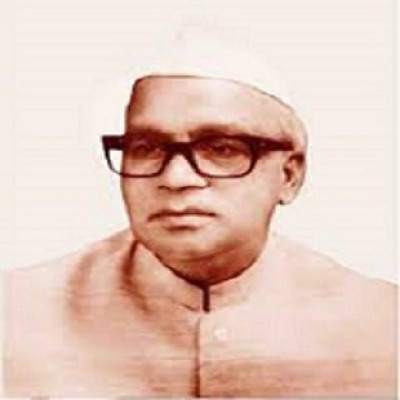
Life & Legacy
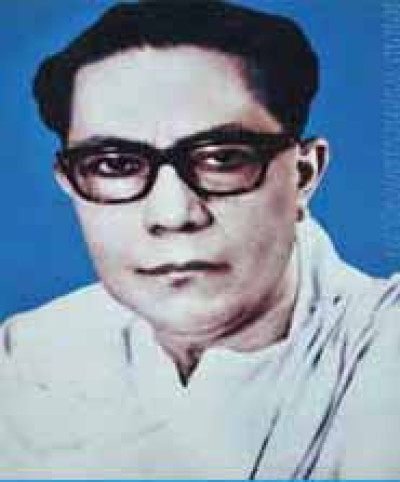
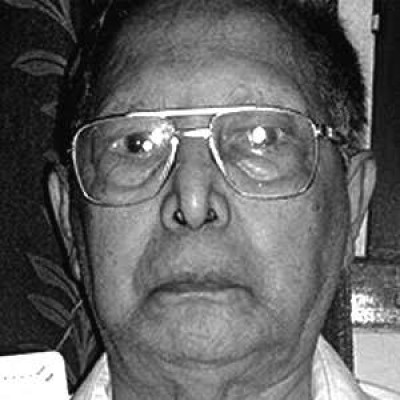
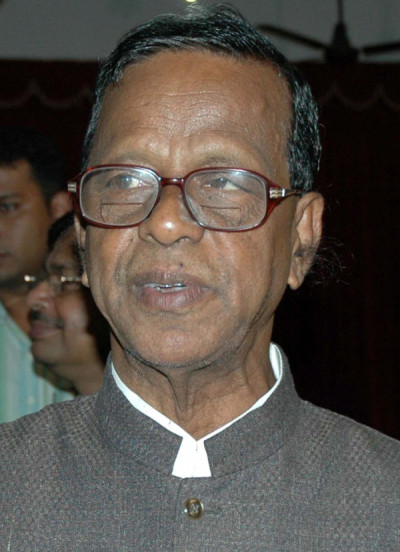
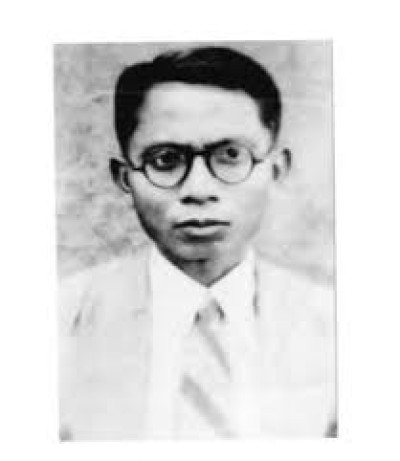
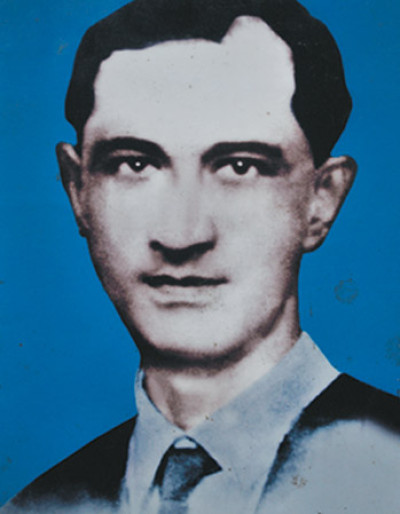
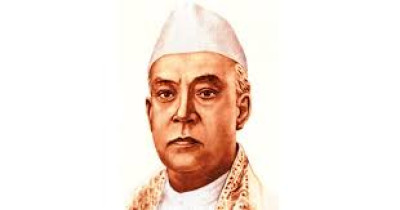
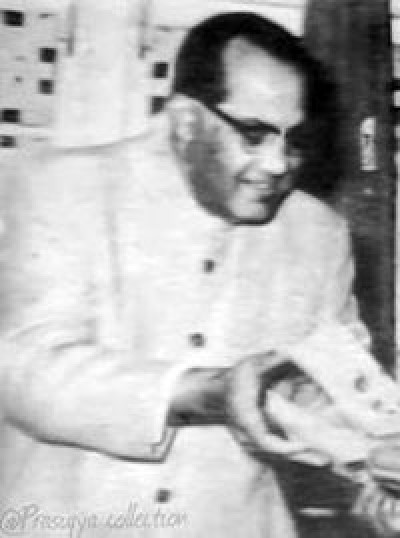
Mahendra Mohan Choudhury was born on 12 April 1908 in Nagaon of the undivided Kamrup district, which is now part of Barpeta district, Assam. He completed his graduation in Arts before obtaining a Bachelor of Laws (LLB) degree. After completing his legal education, he began practicing law and later joined the Barpeta Bar in 1936. In 1949, he also practiced as an advocate at the Assam High Court. His education, legal background and commitment to public service laid the foundation for a distinguished political career.
Inspired by Mahatma Gandhi, Choudhury actively participated in India's freedom movement. His dedication to the struggle for independence resulted in his imprisonment on three occasions during 1932, 1941 and 1945. His sacrifices earned him recognition as one of Assam's respected freedom fighters and a true Gandhian leader.
Following India's independence, Mahendra Mohan Choudhury held several important constitutional and political positions. He was elected as a Member of the Assam Legislative Assembly in 1946 and subsequently served as Parliamentary Secretary in 1947. He later became Deputy Minister and State Minister, handling important departments including Education, Agriculture, Food, Rural Development, Industries, Publicity, Cooperatives, Revenue, Forests, Flood Control, Irrigation and Parliamentary Affairs. His administrative experience and leadership abilities eventually led him to become Speaker of the Assam Legislative Assembly from 1959 to 1967, after which he served as Cabinet Minister and later assumed office as the Chief Minister of Assam from 1970 to 1972. He also served as President of the Assam Pradesh Congress Committee, General Secretary of the All India Congress Committee (AICC) and was elected to the Rajya Sabha. His distinguished public service was further recognized when he was appointed the Governor of Punjab.
Apart from politics, Mahendra Mohan Choudhury made significant literary and cultural contributions. He authored the books Mahatma Gandhi and The Philosophy of Binova Bhabe, reflecting his lifelong admiration for Gandhian philosophy and social reform. He was closely associated with several socio-cultural and religious organizations, including Sankardev-Kristi Vikash Samiti, Gita Samaj and Madhupur Satra. One of his lasting contributions was his instrumental role in establishing the Saint Sankaradeva Chair at Punjabi University, Patiala, which helped introduce the life, teachings and literary contributions of Srimanta Sankaradeva to scholars across India.
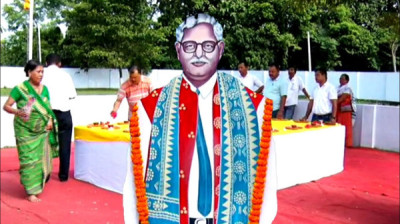
Mahendra Mohan Choudhury was widely respected for his honesty, simplicity and dedication to public life. He remained committed to democratic values, education and the welfare of the people throughout his career. His leadership continues to inspire politicians, scholars and social workers in Assam.
Mahendra Mohan Choudhury had six children, including two sons and four daughters. He passed away following a heart attack at Gauhati Medical College and Hospital on 27 December 1982. His legacy as a freedom fighter, statesman, author and champion of Assamese culture remains an important part of Assam's political and historical heritage.
Early Life
- Born on 12 April 1908
- Birthplace: Nagaon, Undivided Kamrup District (present-day Barpeta District), Assam
- Belonged to an Assamese family
- Inspired by Mahatma Gandhi and the freedom movement from an early age
Education
- Graduated in Arts
- Bachelor of Laws (LLB)
- Joined the Barpeta Bar in 1936
- Advocate, Assam High Court (1949)
Freedom Movement
- Active participant in India's freedom struggle
- Imprisoned in 1932
- Imprisoned in 1941
- Imprisoned in 1945
- Recognized as a committed Gandhian freedom fighter
Major Political Positions Held
- Member, Assam Legislative Assembly (1946-1952)
- Parliamentary Secretary (1947)
- Deputy Minister
- State Minister
- Minister for Education
- Minister for Agriculture
- Minister for Food
- Minister for Rural Development
- Minister for Industries
- Minister for Cooperatives
- Minister for Publicity
- Minister for Revenue
- Minister for Forests
- Minister for Flood Control
- Minister for Irrigation
- Minister for Parliamentary Affairs
- President, Assam Pradesh Congress Committee
- General Secretary, All India Congress Committee (AICC)
- Member, Rajya Sabha
- Speaker, Assam Legislative Assembly (1959-1967)
- President, Assam Vidhan Sabha (1967)
- Cabinet Minister (1967-1970)
- Chief Minister of Assam (1970-1972)
- Governor of Punjab
Books Written
- Mahatma Gandhi
- The Philosophy of Binova Bhabe
Social and Cultural Contributions
- Associated with Sankardev-Kristi Vikash Samiti
- Associated with Gita Samaj
- Associated with Madhupur Satra
- Instrumental in establishing the Saint Sankaradeva Chair at Punjabi University, Patiala
- Promoted Assamese literature, culture and Gandhian ideals across India
Awards and Recognition
- Widely respected Gandhian leader
- Distinguished Freedom Fighter
- Chief Minister of Assam
- Governor of Punjab
- Recognized for promoting Assamese culture and the teachings of Srimanta Sankaradeva at the national level
Death
- Date of Death: 27 December 1982
- Place of Death: Gauhati Medical College and Hospital, Guwahati
- Cause of Death: Heart attack
FAQs about Mahendra Mohan Choudhury
1. Who was Mahendra Mohan Choudhury?
Mahendra Mohan Choudhury was an Indian freedom fighter, Gandhian leader, lawyer, author and politician who served as the Chief Minister of Assam and later as the Governor of Punjab.
2. When was Mahendra Mohan Choudhury born?
He was born on 12 April 1908 in Nagaon of the undivided Kamrup district, now in Barpeta district, Assam.
3. When was Mahendra Mohan Choudhury the Chief Minister of Assam?
He served as the Chief Minister of Assam from 1970 to 1972.
4. Which political positions were held by Mahendra Mohan Choudhury?
He served as MLA, Parliamentary Secretary, State Minister, Speaker of the Assam Legislative Assembly, Cabinet Minister, Chief Minister of Assam and Governor of Punjab.
5. Was Mahendra Mohan Choudhury a freedom fighter?
Yes. He actively participated in India's freedom movement and was imprisoned three times during the struggle for independence.
6. Which books were written by Mahendra Mohan Choudhury?
He authored Mahatma Gandhi and The Philosophy of Binova Bhabe.
7. What were Mahendra Mohan Choudhury's contributions to Assamese culture?
He supported several cultural organizations and played a major role in establishing the Saint Sankaradeva Chair at Punjabi University, Patiala.
8. When did Mahendra Mohan Choudhury die?
He passed away on 27 December 1982 following a heart attack at Gauhati Medical College and Hospital.
9. Why is Mahendra Mohan Choudhury remembered in Assam?
He is remembered for his role in the freedom movement, his service as Chief Minister of Assam, his literary contributions and his efforts to promote Assamese culture.
10. Why is Mahendra Mohan Choudhury considered an important political leader?
He held several high constitutional offices, promoted Gandhian ideals, contributed to governance and worked for the social, educational and cultural development of Assam.