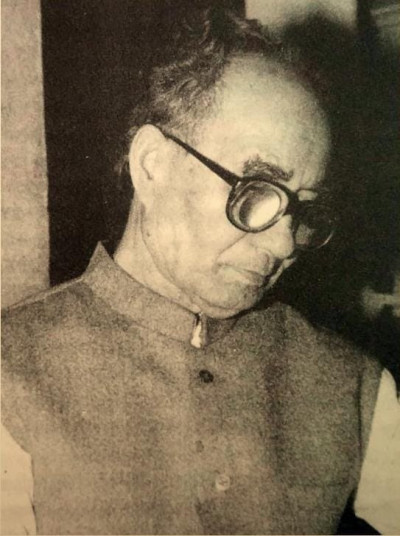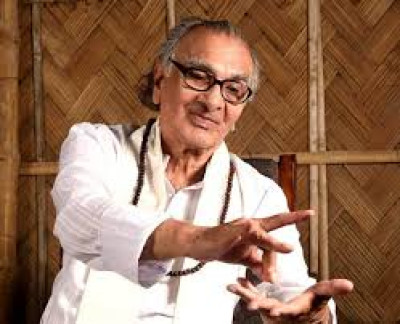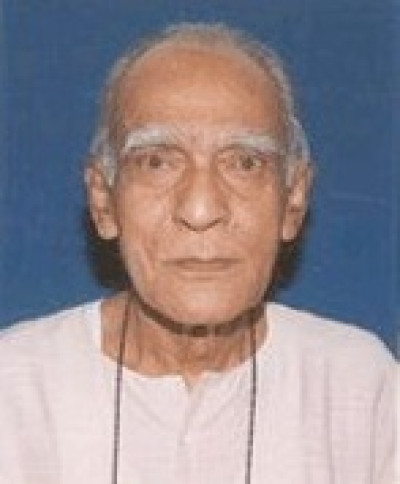
Life & Legacy
Early Life
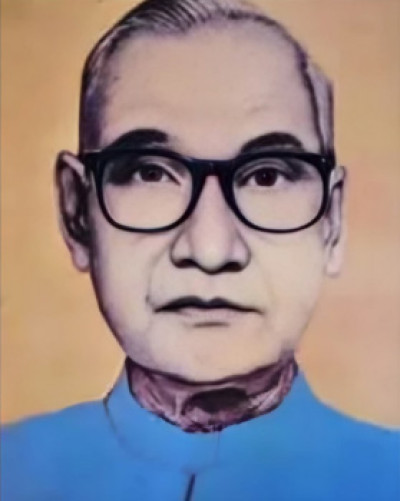
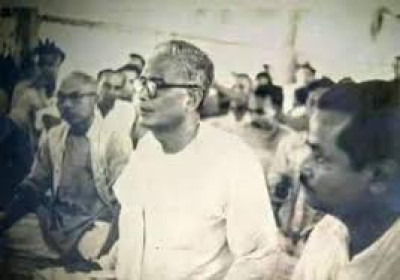
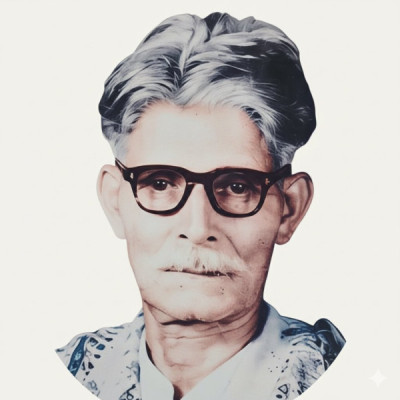
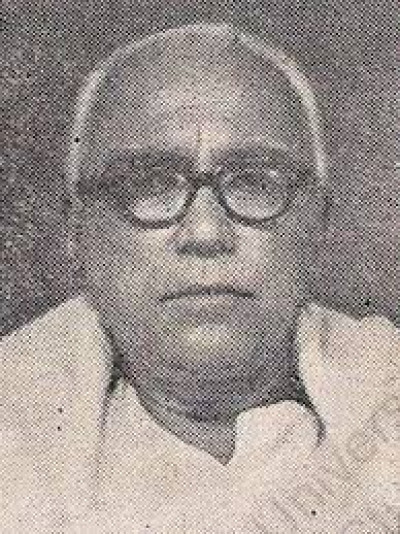
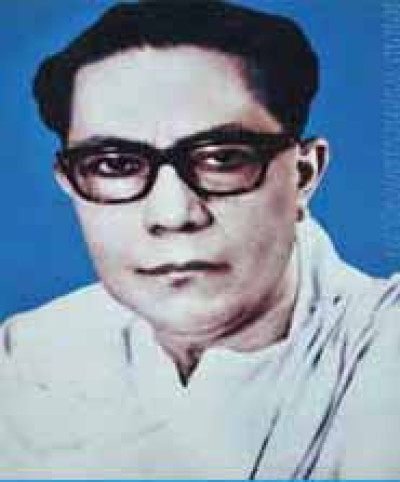
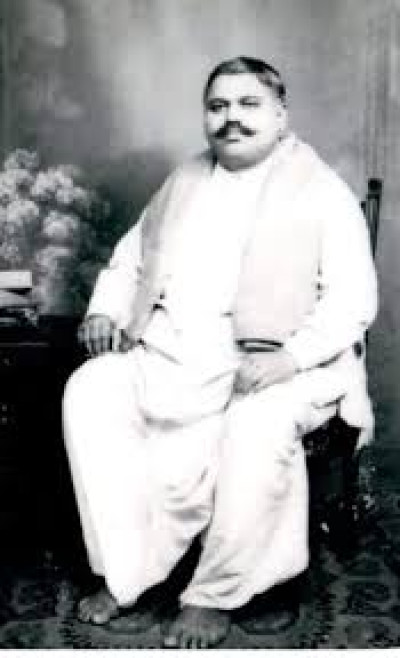
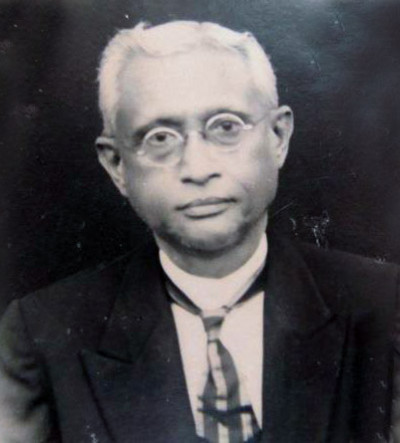
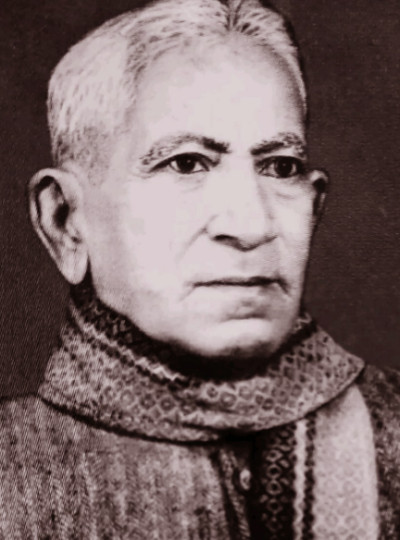
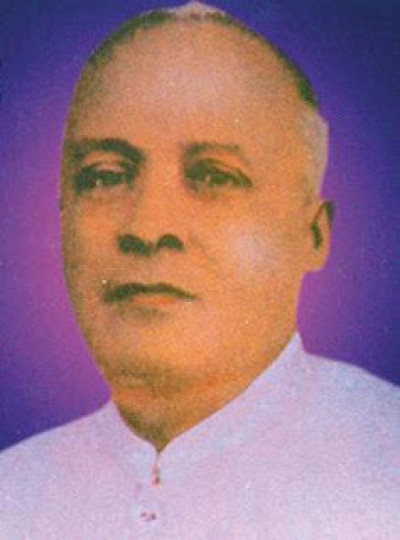
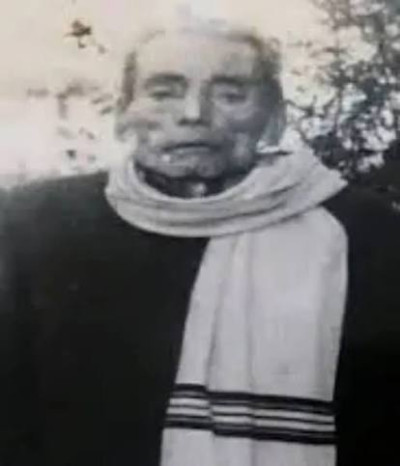
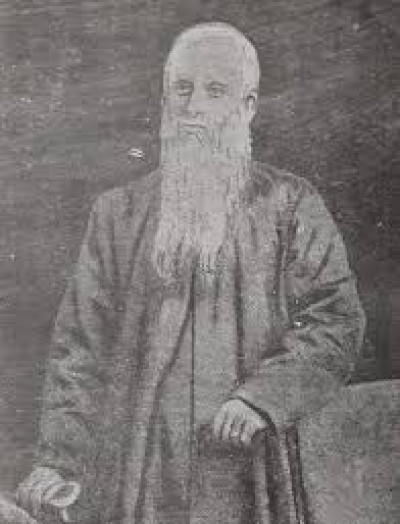
Mafizuddin Ahmed Hazarika was born on 30 August 1870 at Jorhatpatty in Dibrugarh, Assam, into a respected Assamese Muslim family. His father was Himmatuddin Ahmed Hazarika, and his mother was Rahnuri Ahmed Hazarika. His family traced its ancestry to the legendary warrior Bagh Hazarika, who fought alongside Lachit Borphukan during the historic Battle of Saraighat. Growing up in a culturally rich environment greatly influenced his interest in literature, spirituality, and Assamese heritage.
Education
He received his early education at Dibrugarh Government High School. Although he appeared for the Entrance Examination in 1892, he was unable to pass. Instead of allowing this setback to define his future, he devoted himself to self-study, literature, philosophy, and poetry. His determination eventually established him as one of the most respected literary personalities in Assam.
Career
Mafizuddin Ahmed Hazarika began his professional career in the Assam Forest Department in 1893 at North Lakhimpur. Later, he joined the judicial service as a Tehsildar in the Civil Court and subsequently served in the Dibrugarh Civil Court as a Civil Peshkar until his retirement in 1926.
Apart from his government service, he actively contributed to education, public administration, municipal affairs, and literary organizations. He served on several important committees related to education, historical research, textbook development, and social welfare, demonstrating his commitment to the overall development of Assamese society.
Literary Career
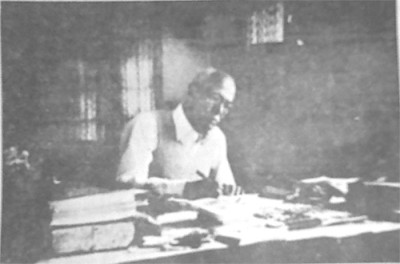
Mafizuddin Ahmed Hazarika occupies a unique place in Assamese literature because he introduced profound spiritual philosophy through simple and elegant Assamese language. His poetry explored themes such as self-realization, divine love, morality, truth, compassion, and the temporary nature of worldly life.
His first poetry collection, Jnan Malini, published in 1896, became a landmark in Assamese literature. The collection earned widespread appreciation from leading literary figures and established him as a major poetic voice. His poems successfully combined Sufi philosophy with elements of Indian spiritual traditions, creating a literary style that appealed to readers across different communities.
His writings avoided complex language and instead presented deep philosophical ideas in a clear, accessible, and emotionally powerful manner. Literary scholars regard him as one of the earliest modern imagist poets in Assamese literature and a pioneer of spiritual poetry.
Major Literary Works
- Jnan Malini (1896)
- Tattva Parijat (Published posthumously in 1970)
Positions Held
- Secretary, Dibrugarh Sahitya Sabha (1904-1934)
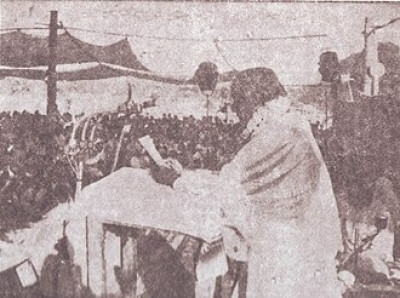
- President, 12th Asam Sahitya Sabha, Golaghat (1930)
- President, Assam Chhatra Sanmilan
- Member, Assamese Spelling Committee
- Member, Directorate of Historical and Antiquarian Studies, Assam
- Member of several educational, municipal, textbook and social welfare committees
Achievements
- Recognized as the first Sufi philosopher-poet of Assamese literature.
- Popularly known as Jnan Malinir Kobi.
- Introduced spiritual and philosophical poetry into modern Assamese literature.
- Helped shape the literary movement of the Jonaki era.
- Promoted harmony by blending Islamic Sufi philosophy with universal spiritual values.
- Contributed significantly to the growth of Assamese literary organizations.
- Inspired generations of Assamese poets through his original literary style.
Awards and Recognition
- Literary Pension awarded by the Government of Assam (1926).
- Elected President of the 12th Asam Sahitya Sabha in 1930.
- Widely honoured as one of the pioneers of modern Assamese poetry.
- Remembered through literary events and memorial awards celebrating his contribution to Assamese literature.
Personal Life
Mafizuddin Ahmed Hazarika married Hafiza Khatun, daughter of Sheikh Piyar Ali Hazarika of North Lakhimpur. The couple had a large family. Despite personal challenges and financial hardships, he remained dedicated to literature, education, and spiritual learning throughout his life.
Death
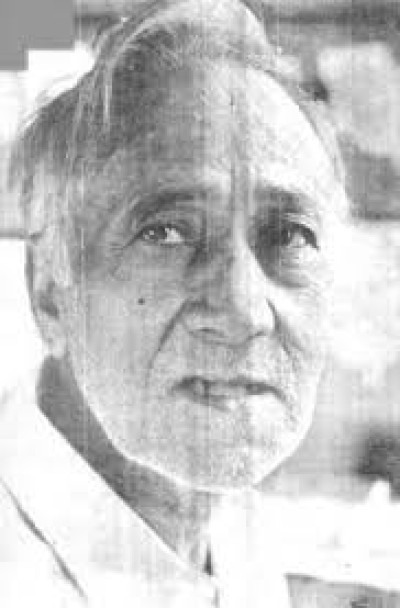
Mafizuddin Ahmed Hazarika passed away on 29 October 1958 at the age of 88. He was laid to rest in Dibrugarh. His literary legacy continues to inspire readers, scholars, and poets, and his works remain an important part of Assamese literary heritage. His contribution to Assamese poetry established a lasting foundation for philosophical and spiritual literature that continues to be studied and appreciated across generations.
FAQs about Mafizuddin Ahmed Hazarika