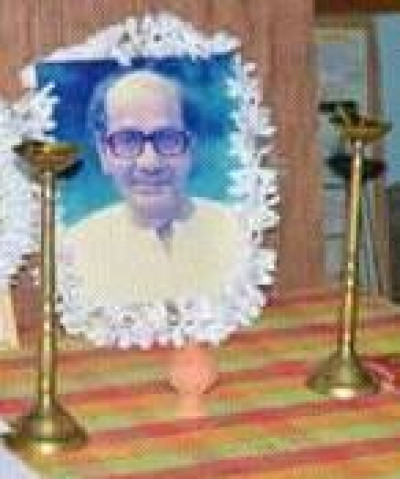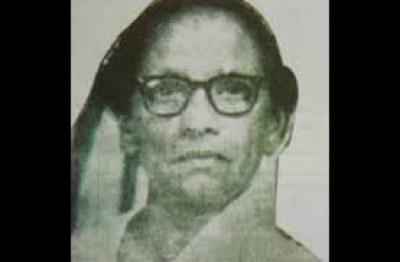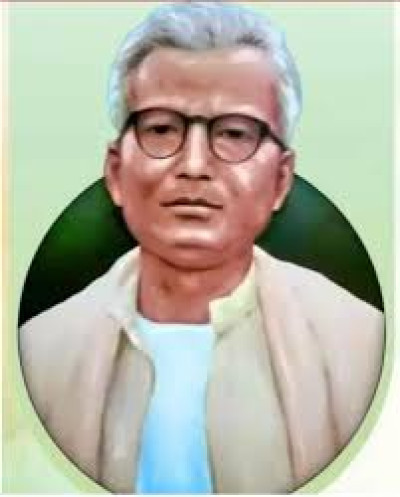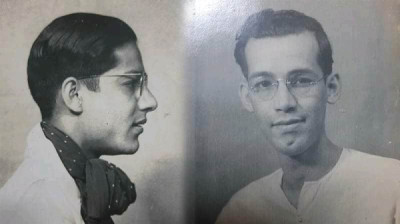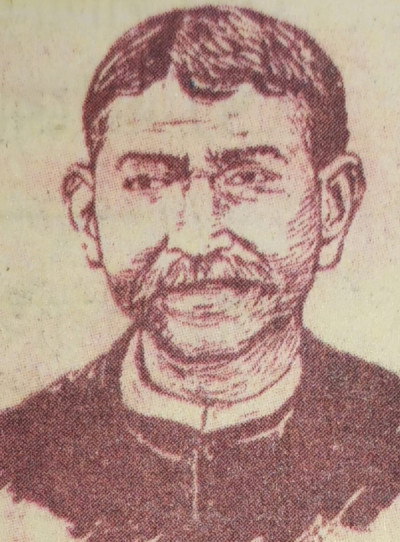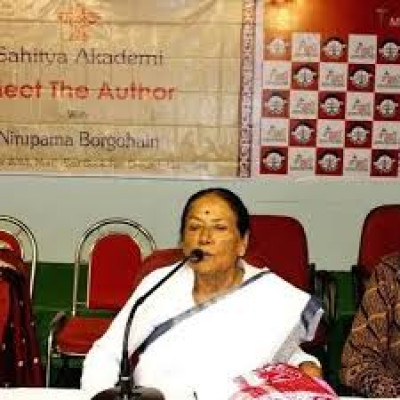
Life & Legacy
Early Life and Education
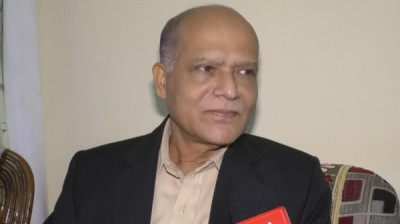
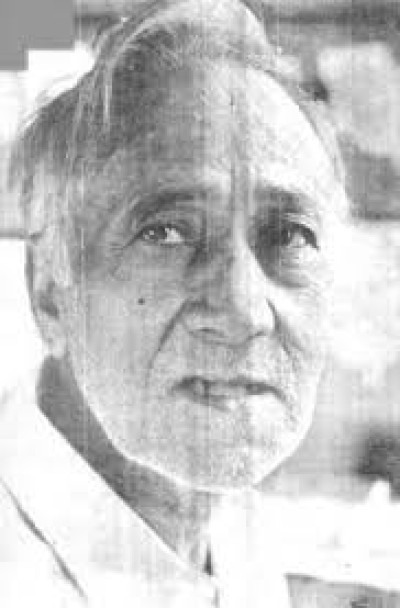
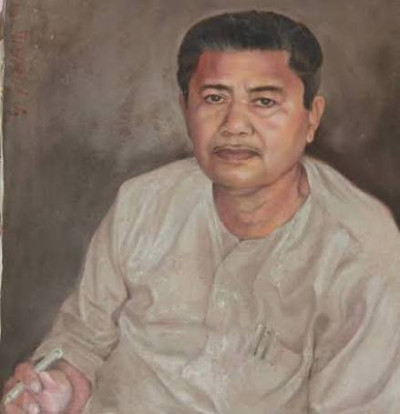
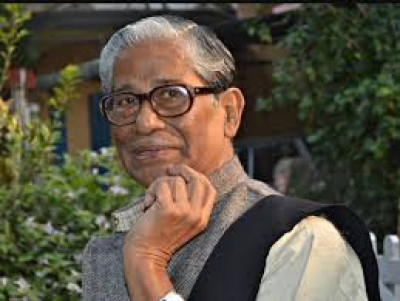
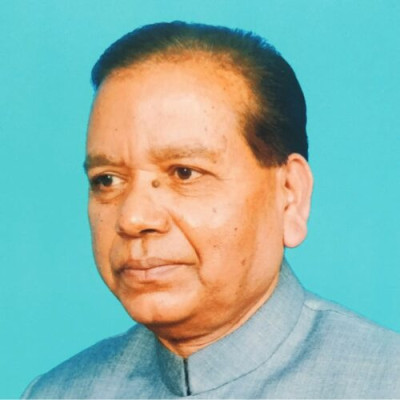
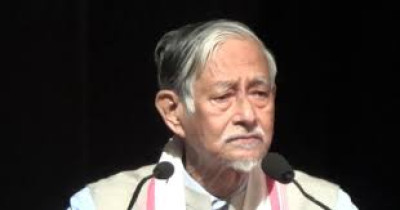
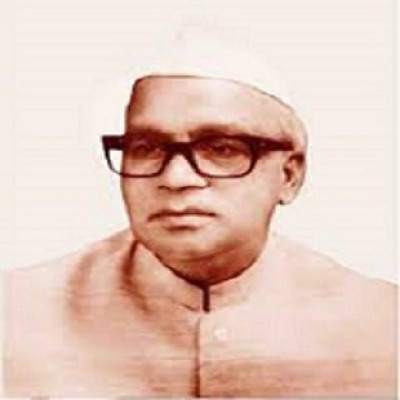
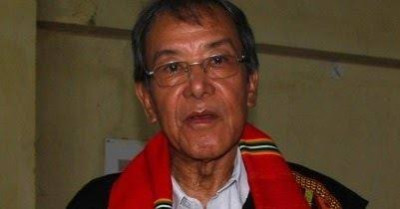
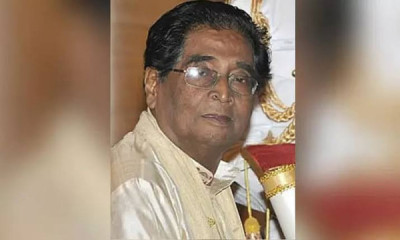
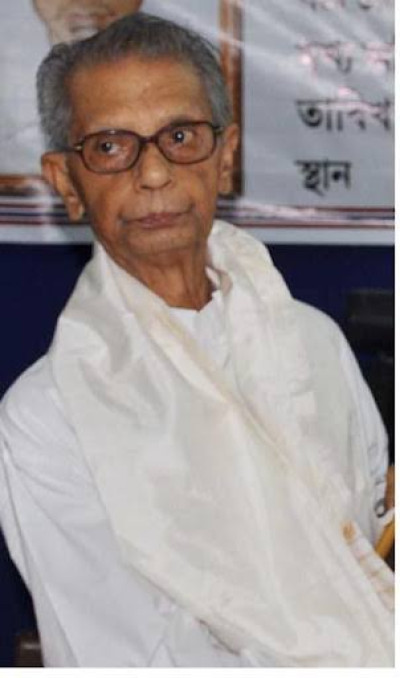
Dr. Kameswar Brahma was born on 1 September 1940 in Bhumka village under Gossaigaon subdivision of Kokrajhar district, Assam. Growing up in a rural environment, he developed a strong connection with the language, traditions, and cultural practices of the Bodo community. His early experiences inspired him to work for the preservation of indigenous knowledge and the educational upliftment of socially and economically disadvantaged communities.
He pursued higher education with dedication and later emerged as a respected academician. His scholarly background helped him combine literary creativity with research-oriented writing, making him one of the important intellectual figures of modern Bodo literature.
Academic Career
Dr. Kameswar Brahma served in the field of education for several decades. He became the Principal of Gossaigaon College, where he contributed significantly to academic development and student welfare. His role as an educator extended beyond classroom teaching, as he continuously encouraged research, language development, and cultural awareness among young people.
Because of his commitment to education and social progress, he gained recognition not only as a teacher but also as a mentor and community leader.
Literary Career
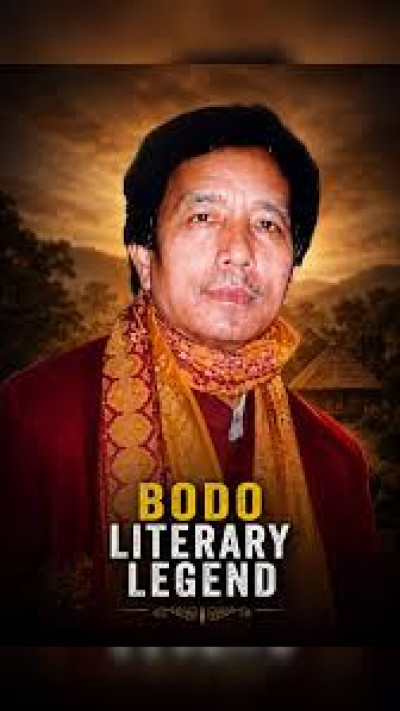
Dr. Brahma has written extensively on Bodo language, literature, folklore, religion, history, and tribal culture. His writings are known for their clarity, cultural depth, and scholarly value. He has consistently worked to document and preserve the traditions of the Bodo people while also promoting modern literary expression in the Bodo language.
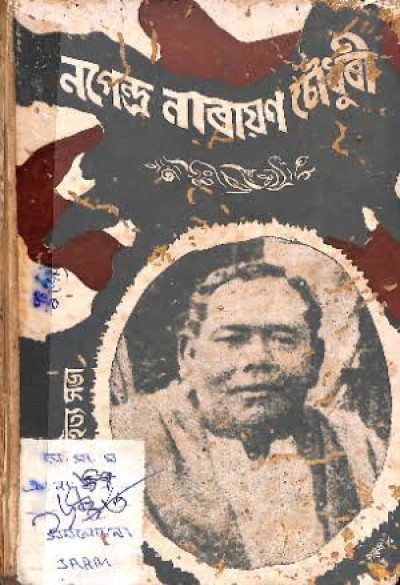
One of his well-known works is Srimot Gurudev Kalicharan Brahma (1986), a significant biographical and research-oriented book on the social reformer Gurudev Kalicharan Brahma. Through this work, Dr. Brahma highlighted the contribution of Kalicharan Brahma to social reform, spirituality, and community development.
He has also produced research publications related to:
Bodo folklore
Indigenous tribal culture
Language preservation
Social and cultural history of the Bodo community
Translation and National Recognition
Dr. Kameswar Brahma received the Sahitya Akademi Translation Prize in 2020 for his translated work Gibi Bharatni Jerimin. The award recognized his contribution to bringing important literary works to a wider readership and strengthening literary exchange through translation.
Leadership in Bodo Sahitya Sabha
Dr. Brahma played a major role in the Bodo literary movement through his association with the Bodo Sahitya Sabha, the premier literary organization of the Bodo community. He served as the President of the Bodo Sahitya Sabha, where he worked for:
Development of Bodo language
Promotion of Bodo literature
Preservation of cultural heritage
Encouragement of young writers and researchers
Expansion of literary and educational activities
His leadership helped strengthen the institutional foundation of Bodo literature and contributed to its wider recognition in India.
Social and Cultural Contributions
Beyond literature and education, Dr. Kameswar Brahma has been actively involved in social and cultural work. He has written and spoken on issues related to social upliftment, language rights, indigenous identity, and cultural preservation. His efforts have encouraged awareness about the importance of protecting tribal traditions while pursuing educational and socio-economic development.
Major Positions Held
Principal, Gossaigaon College
President, Bodo Sahitya Sabha
Educationist
Researcher of Bodo culture and language
Social activist
Major Books and Works
Srimot Gurudev Kalicharan Brahma (1986)
Gibi Bharatni Jerimin (translation)
Research and literary works on Bodo folklore and tribal culture
Awards and Recognition
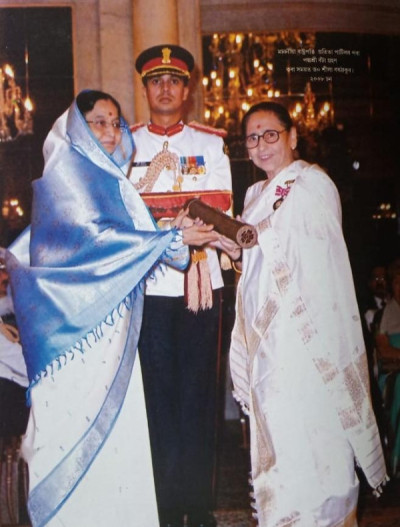
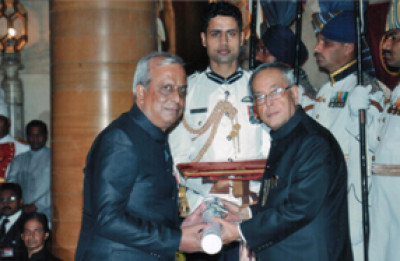
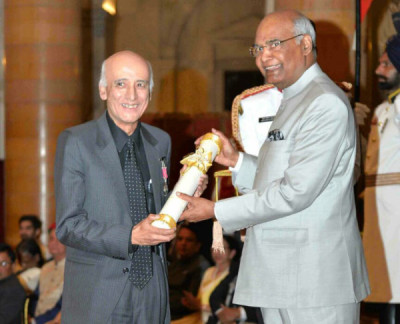
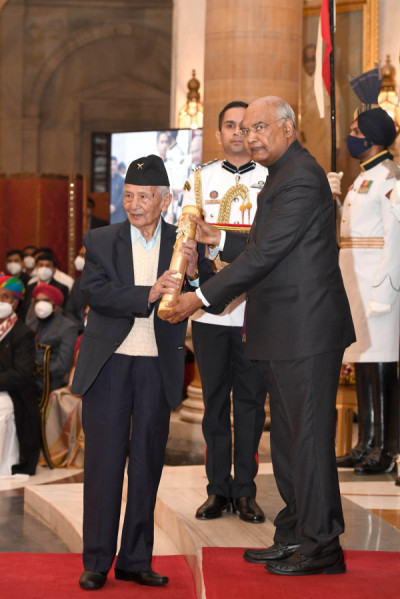
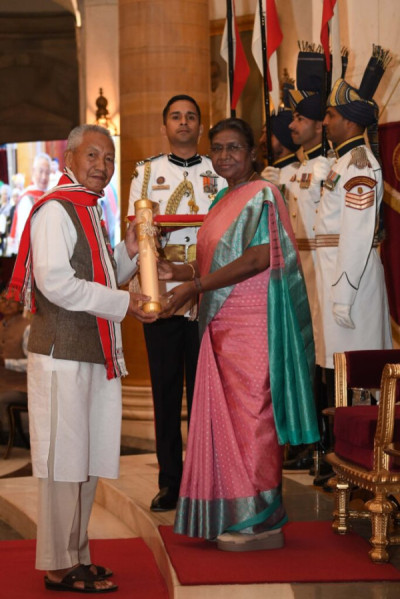
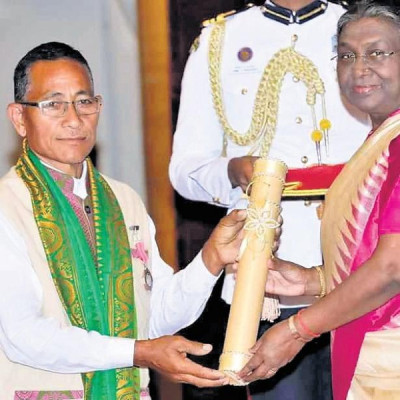
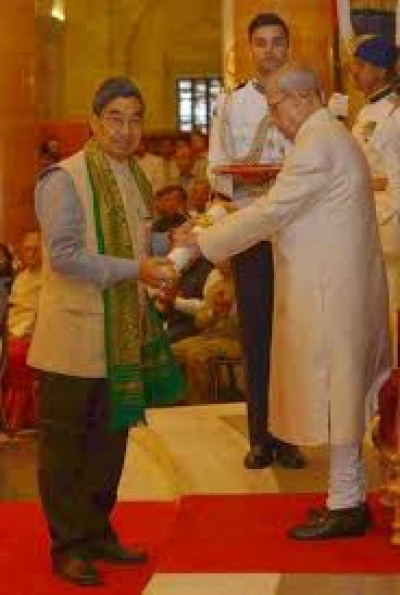
Padma Shri (2016) - Government of India
Sahitya Akademi Translation Prize (2020) for Gibi Bharatni Jerimin
Gurudev Kalicharan Brahma Award (2021)
Honoured by literary, educational, and cultural organizations for his contribution to Bodo literature and society
Legacy
Dr. Kameswar Brahma is regarded as one of the leading intellectuals of the Bodo community. His work has contributed to the preservation of language, documentation of culture, advancement of education, and strengthening of literary institutions. Through his writings, academic service, and social commitment, he has inspired generations of students, writers, and researchers. His Padma Shri recognition stands as a tribute to his lifelong dedication to literature, education, and the cultural heritage of Assam.
FAQs about Dr. Kameswar Brahma
1. Who is Dr. Kameswar Brahma?
Dr. Kameswar Brahma is a Padma Shri award-winning Bodo writer, educationist, researcher, and former president of the Bodo Sahitya Sabha from Kokrajhar, Assam.
2. Why is Dr. Kameswar Brahma famous?
He is famous for his contribution to Bodo language, literature, education, translation, and preservation of indigenous tribal culture.
3. When was Dr. Kameswar Brahma born?
He was born on 1 September 1940 in Bhumka village of Kokrajhar district, Assam.
4. Which Padma Award did Dr. Kameswar Brahma receive?
He received the Padma Shri in 2016 for his contribution to Literature and Education.
5. What is Dr. Kameswar Brahma's role in Bodo Sahitya Sabha?
He served as the President of the Bodo Sahitya Sabha and worked for the development of Bodo language and literature.
6. Which Sahitya Akademi award did Dr. Kameswar Brahma receive?
He received the Sahitya Akademi Translation Prize in 2020 for his translated work Gibi Bharatni Jerimin.
7. What is the famous book written by Dr. Kameswar Brahma?
One of his notable books is Srimot Gurudev Kalicharan Brahma, a biographical work on the Bodo social reformer.
8. Was Dr. Kameswar Brahma a college principal?
Yes. He served as the Principal of Gossaigaon College in Assam.
9. What subjects did Dr. Kameswar Brahma write about?
He wrote about Bodo folklore, tribal culture, language preservation, religion, history, and social development.
10. Is Dr. Kameswar Brahma still alive?
As of August 2026, there is no publicly available information confirming the death of Dr. Kameswar Brahma.