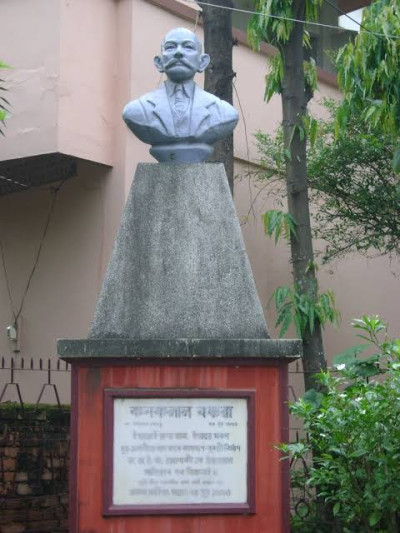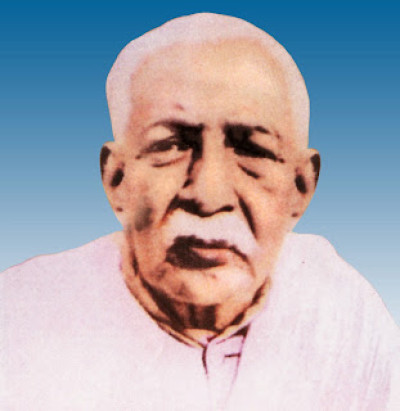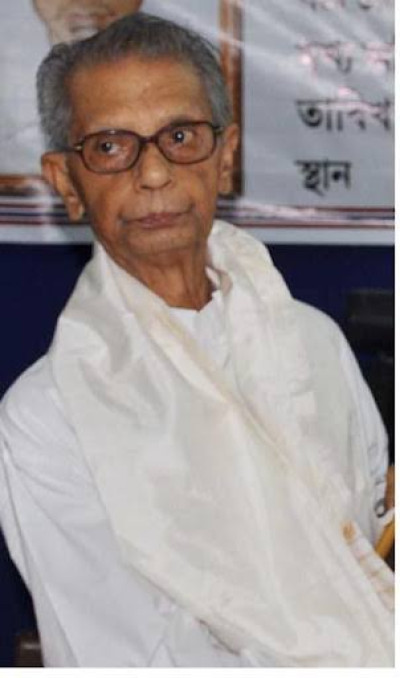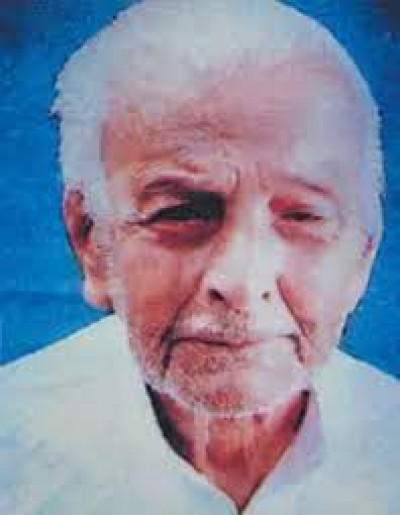
Life & Legacy
Early Life
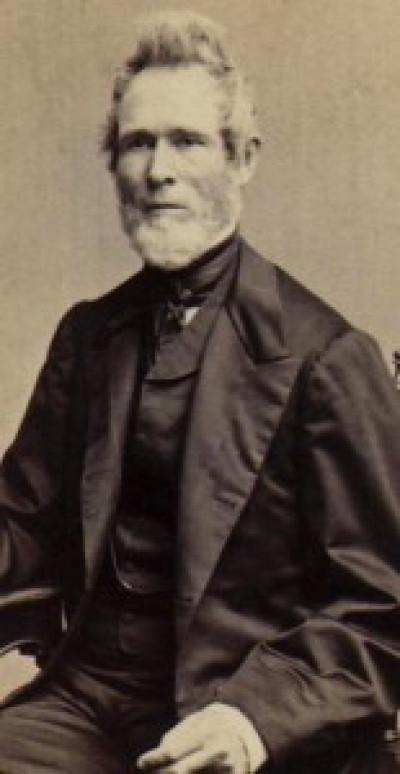
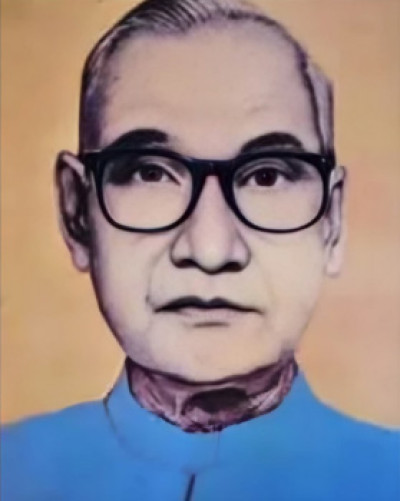
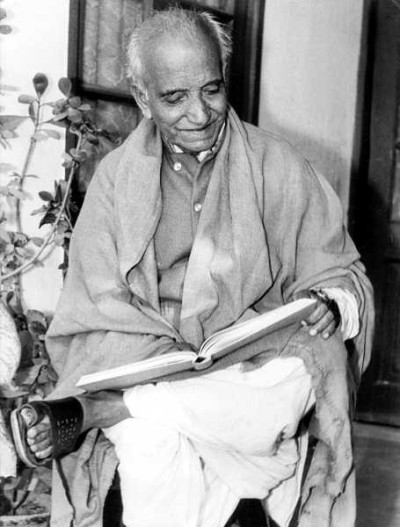
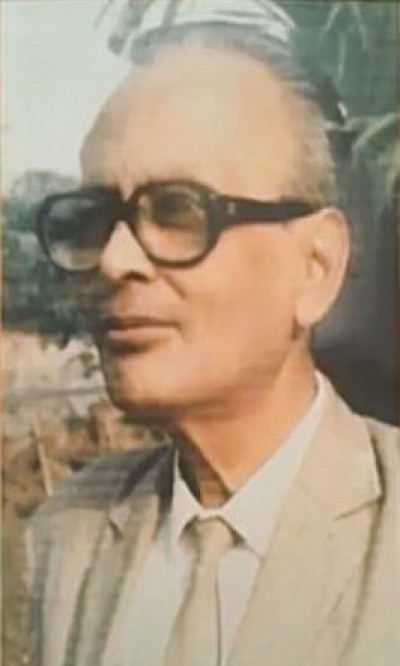
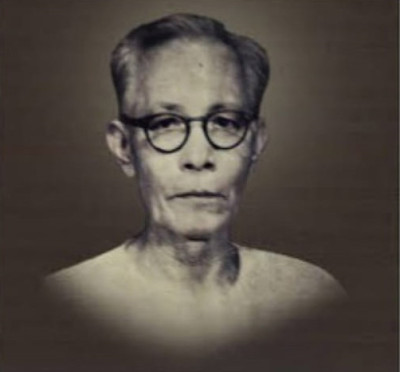
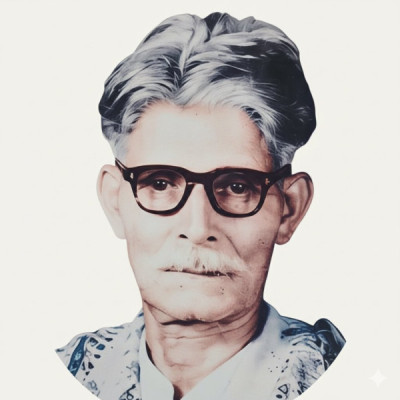
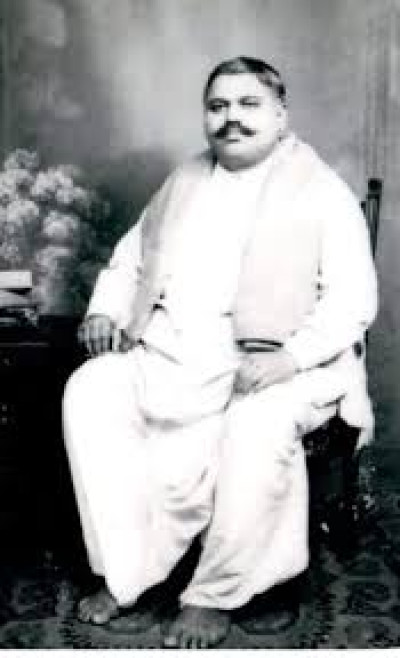
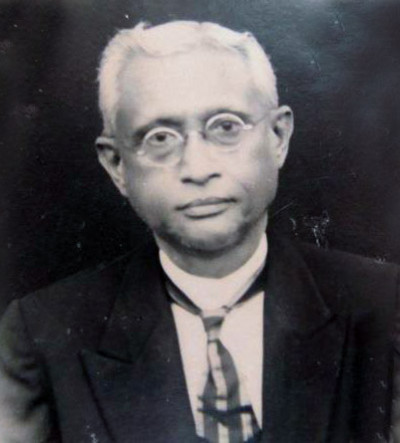
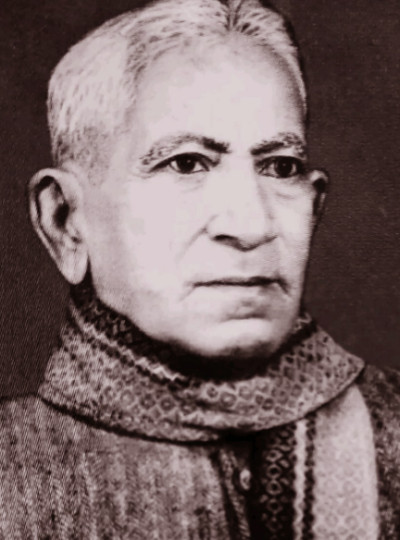
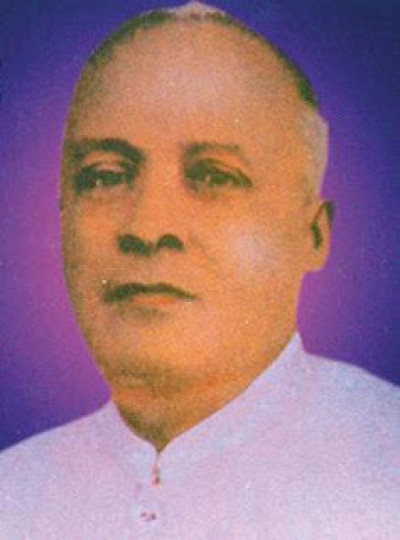
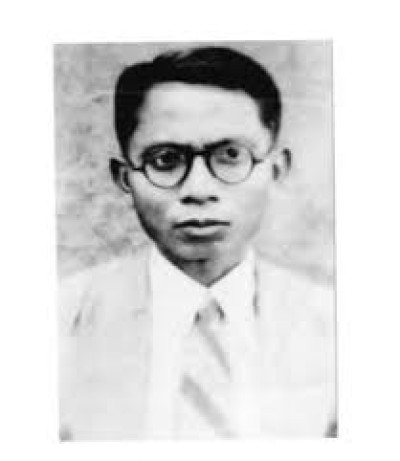
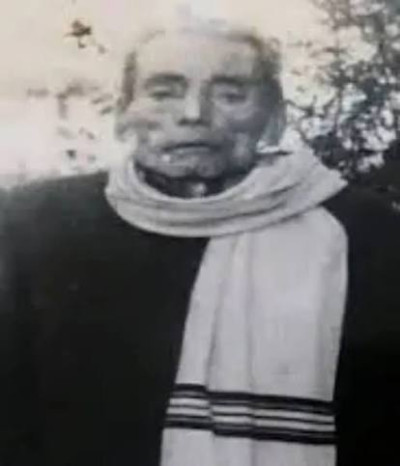
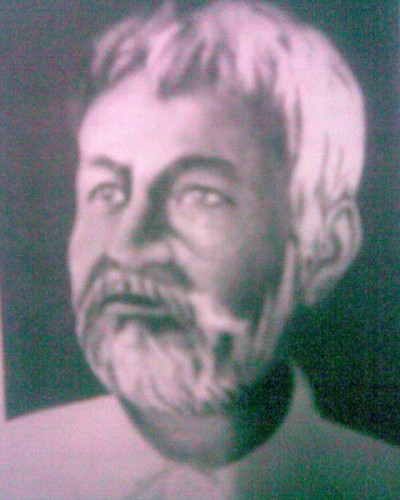
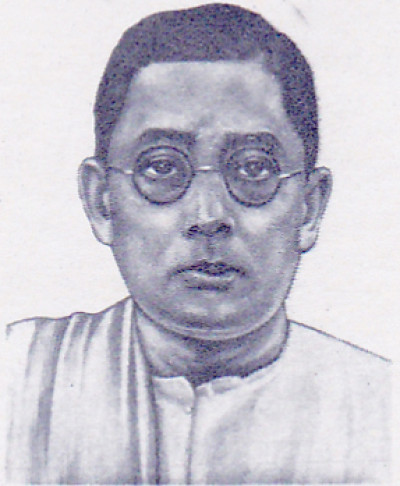
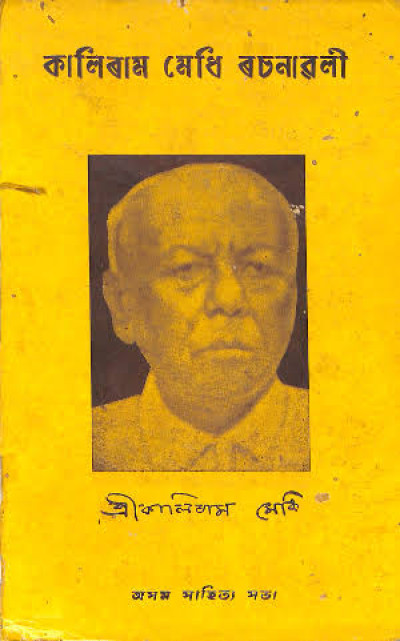
Kaliram Medhi was born on 18 October 1880 in Ramdia village near Hajo in the present-day Kamrup district of Assam. He was born into a modest family to Bhukali Medhi and Sonatara Medhi. From an early age, he displayed exceptional intelligence and a deep interest in education. The cultural and literary atmosphere of rural Assam greatly influenced his personality and inspired his lifelong dedication to learning and research.
Education
Kaliram Medhi began his primary education in his native village before continuing his studies at Government High School in Guwahati. His academic excellence became evident when he passed the Entrance Examination in 1897 with first division and secured the highest marks in Sanskrit. He later joined City College in Calcutta, where he completed his higher education with distinction. In 1902, he earned a Master's degree in Physics from Calcutta University and became one of the earliest Assamese scholars to obtain a postgraduate degree. His scientific background later influenced his methodical approach to language, grammar, and literary criticism.
Career
After completing his education, Kaliram Medhi entered government service in 1904 as a land revenue officer. He subsequently joined the Assam Civil Service and served in several important administrative positions across the state. Throughout his career, he worked as Assistant Settlement Officer, Extra Assistant Commissioner, Sub-Divisional Officer, Deputy Commissioner, and later held other senior administrative responsibilities before retiring from active government service.
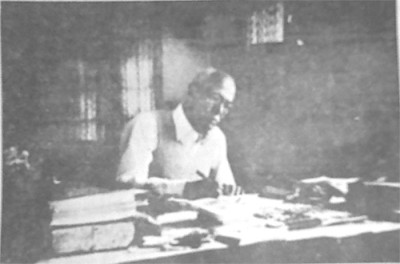
Although he enjoyed a successful administrative career, literature remained his true passion. Even while serving in government, he devoted considerable time to research, writing, editing ancient manuscripts, and promoting Assamese language and culture. His balanced contribution to public administration and literature made him one of the most respected intellectuals of his era.
Literary Contributions
Kaliram Medhi transformed Assamese literary criticism by introducing historical research, linguistic analysis, and scientific methods into the study of ancient Assamese literature. His editorial work on medieval literary texts helped preserve valuable manuscripts that might otherwise have been forgotten.
Among his most important Assamese works are:
- Asamiya Byakaran aru Bhashatattva
- Asamiya Bhashar Mul
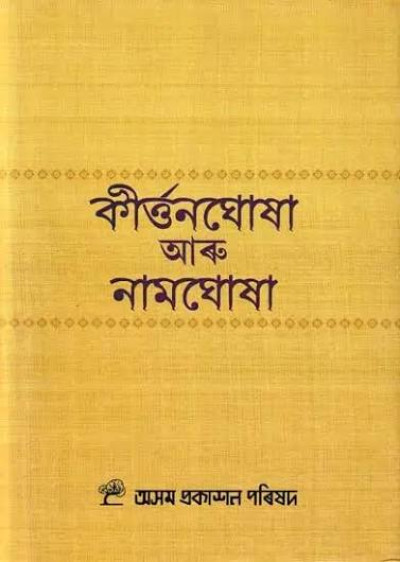
- Mahapurush Shrimanta Sankardevor Bani
- Ankawali
- Prahlad Charitra
- Asamiya Nat
- Likhar Sanjuli
- Helir Nejal Tara
- Prithivi
- Surya
- Bijganit
- Asamiya Prathamik Prakritik Bigyan
His notable English publications include:
- The Kalitas
- Brajavali Literature of Assam
- Philosophic Aspects of Assamese Brajavali Literature
- Origin of Assamese Drama
- Studies in the Vaishnav Literature and Culture of Assam
- Assamese Grammar and Origin of the Assamese Language
These works continue to serve as valuable references for students, researchers, and scholars studying Assamese language, literature, and cultural history.
Positions Held
Kaliram Medhi served in several prestigious positions during his lifetime, including:
- Deputy Commissioner in the Assam Civil Service
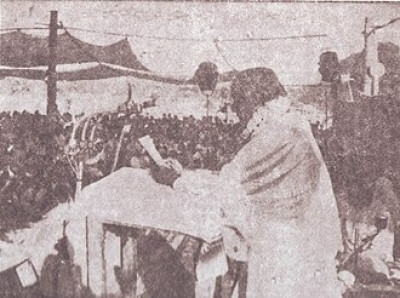
- President of the 3rd Asam Sahitya Sabha Session (Barpeta, 1919)
- Advisor to various sessions of Asam Sahitya Sabha
- Member and contributor to Assam Research Society
- Associated with the Assam State Museum and cultural organisations
- Editor of important medieval Assamese literary texts
Achievements
Kaliram Medhi is regarded as one of the pioneers of modern Assamese linguistic research. His scientific interpretation of Assamese grammar established new academic standards and inspired generations of language scholars. He successfully combined scientific reasoning with literary scholarship, making significant contributions to Assamese philology, literary history, and cultural preservation.
His research on Vaishnav literature, medieval Assamese texts, and the origin of the Assamese language remains highly respected even today. His editorial work preserved several ancient literary manuscripts, ensuring that they remain accessible to future generations.
Awards and Recognition
During his distinguished career, Kaliram Medhi received several honours in recognition of his scholarship and public service, including:
- Vishnupriya Devi Award (1902)
- Tattvanidhi title (1943)
- Rai Bahadur title (1946)
- Widely honoured as one of the foremost Assamese grammarians and literary scholars
Personal Life
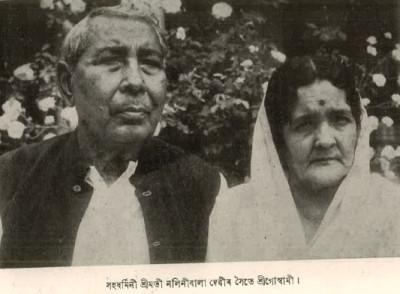
Kaliram Medhi experienced both happiness and personal hardships throughout his life. He married more than once following the untimely deaths of his spouses and raised a large family. Despite personal challenges and demanding administrative responsibilities, he remained dedicated to education, scholarship, and public service.
Death and Legacy
Kaliram Medhi passed away on 24 January 1954 at his residence in Panbazar, Guwahati, at the age of 73. His death marked the end of an extraordinary career devoted to literature, education, administration, and cultural preservation.
Today, Kaliram Medhi is remembered as one of the architects of modern Assamese literary scholarship. His books continue to be studied in universities, while his research on Assamese grammar, linguistics, and Vaishnav literature remains an essential part of Assam's academic heritage. His lifelong dedication to preserving Assamese language and culture has earned him a permanent place among the greatest literary personalities of Assam.
FAQs Kaliram Medhi
1. Who was Kaliram Medhi?
Kaliram Medhi was a renowned Assamese scholar, grammarian, linguist, author, and civil servant. He is best known for his pioneering research on Assamese grammar, language, literature, and medieval Vaishnav texts, making him one of the most influential literary figures in Assam.
2. When and where was Kaliram Medhi born?
Kaliram Medhi was born on 18 October 1880 in Ramdia village near Hajo in the present-day Kamrup district of Assam, India.
3. What was Kaliram Medhi's educational qualification?
Kaliram Medhi completed his early education in Assam before studying at City College, Calcutta. He obtained a Master's degree in Physics from Calcutta University in 1902 and later became a leading scholar in Assamese language and literature.
4. What are the famous books written by Kaliram Medhi?
Some of Kaliram Medhi's notable books include Asamiya Byakaran aru Bhashatattva, Asamiya Bhashar Mul, Mahapurush Shrimanta Sankardevor Bani, Ankawali, Prithivi, Surya, The Kalitas, Brajavali Literature of Assam, and Studies in the Vaishnav Literature and Culture of Assam.
5. What were Kaliram Medhi's major contributions to Assamese literature?
Kaliram Medhi introduced scientific research and linguistic analysis into Assamese literary studies. He preserved ancient Assamese manuscripts, promoted Assamese grammar, researched Vaishnav literature, and authored several important books that remain valuable academic resources.
6. Which positions were held by Kaliram Medhi?
Kaliram Medhi served as an officer in the Assam Civil Service and held positions including Assistant Settlement Officer, Extra Assistant Commissioner, Sub-Divisional Officer, and Deputy Commissioner. He also served as the President of the 3rd Asam Sahitya Sabha session held at Barpeta in 1919.
7. What awards and honours did Kaliram Medhi receive?
Kaliram Medhi received several honours during his lifetime, including the Vishnupriya Devi Award, the honorary title Tattvanidhi, and the prestigious Rai Bahadur title for his contributions to literature and public administration.
8. When did Kaliram Medhi pass away?
Kaliram Medhi passed away on 24 January 1954 in Guwahati, Assam. His literary works and scholarly contributions continue to inspire students, researchers, and Assamese language enthusiasts.
9. Why is Kaliram Medhi important in the history of Assam?
Kaliram Medhi played a significant role in strengthening Assamese language, grammar, literary criticism, and cultural studies. His research helped preserve Assam's literary heritage and established a scientific approach to the study of Assamese literature.
10. Why is Kaliram Medhi remembered today?
Kaliram Medhi is remembered as one of Assam's greatest literary scholars and linguists. His books, research, editorial work, and contributions to Assamese grammar, language, and cultural preservation continue to be respected by scholars and readers across generations.