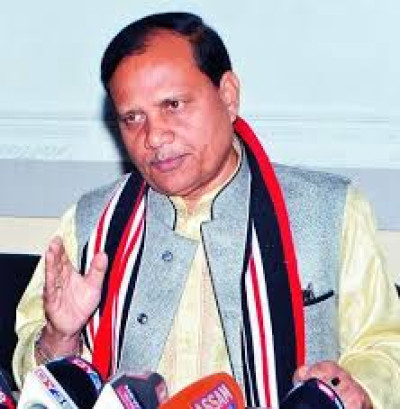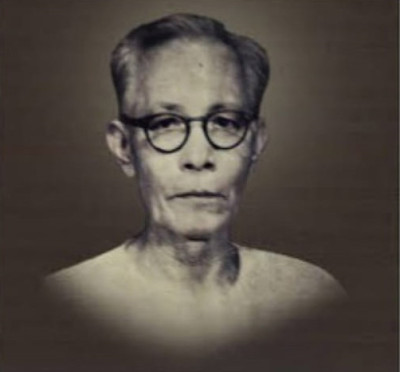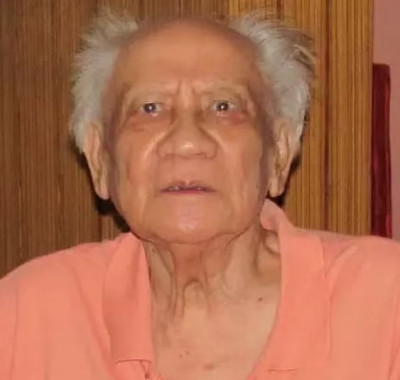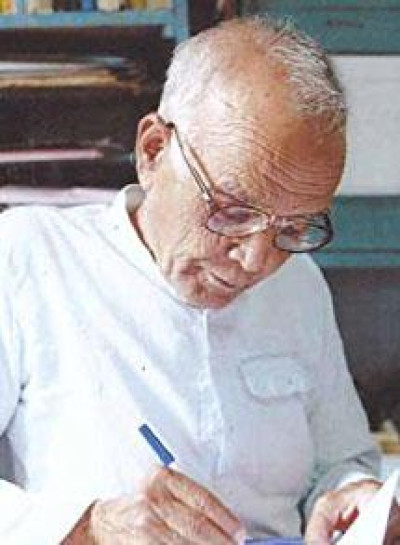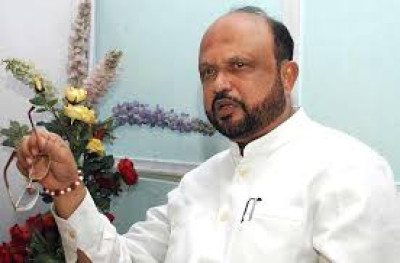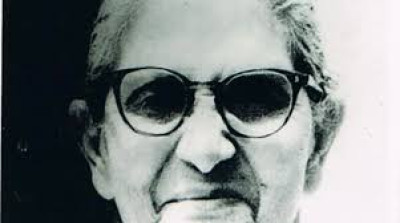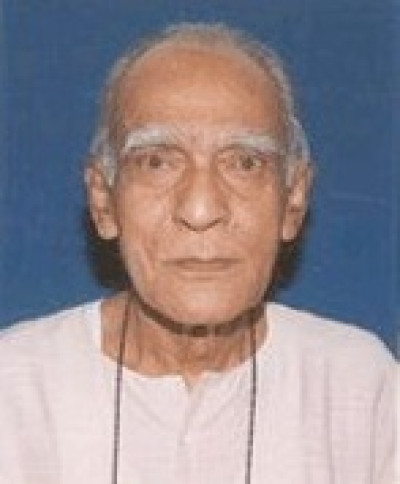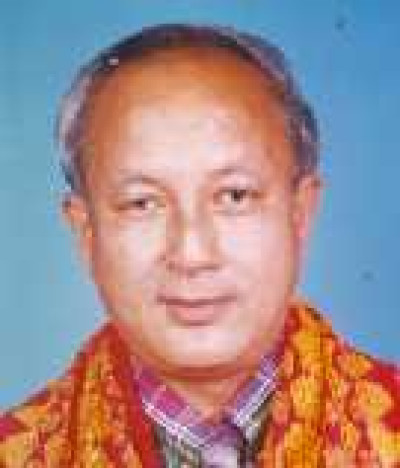
Life & Legacy
Early Life
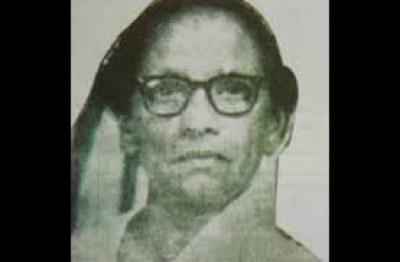
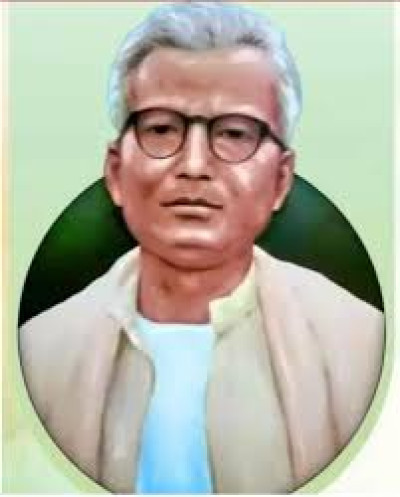
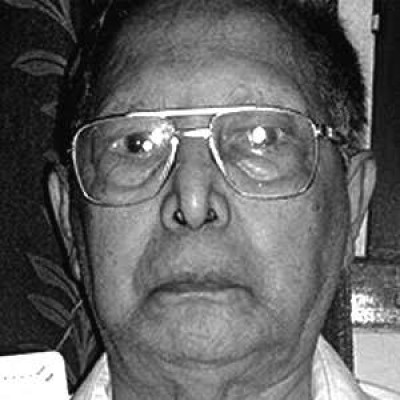
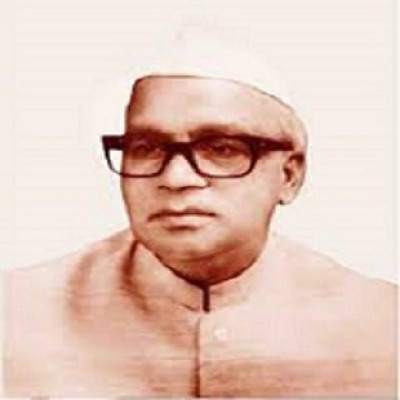
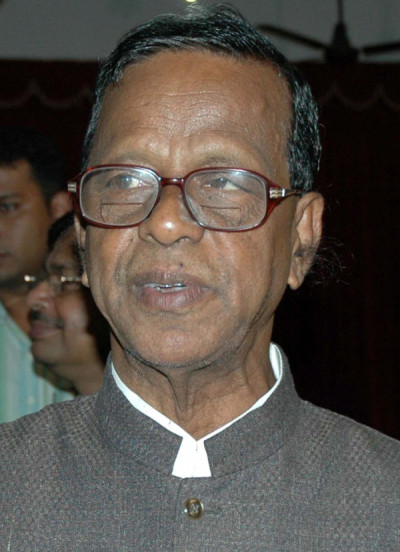
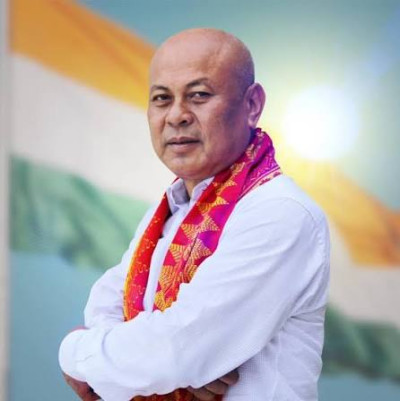
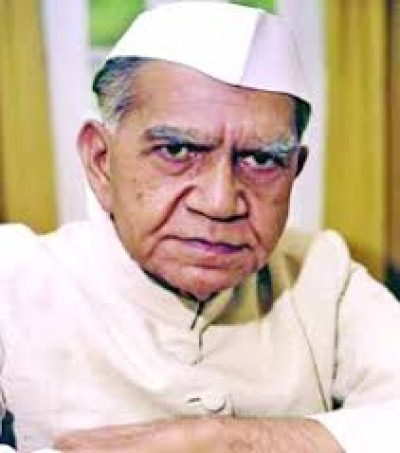
Kabindra Purkayastha was born on 15 December 1931 in Kamarkhal, Sylhet district, then part of British India and now in Bangladesh. Following the Partition of India, his family migrated to Assam, where he witnessed the challenges faced by displaced families. These experiences influenced his lifelong commitment to public welfare, refugee rehabilitation, and community service.
Education
Kabindra Purkayastha completed his higher education at Gauhati University, earning a Master of Arts (M.A.) degree. He also pursued teacher training and built a successful career in education before entering active politics. He served as the Principal of Ramkrishna Vidyapeeth, Ramkrishna Nagar, where he earned respect as an educator and mentor.
Political Career
Kabindra Purkayastha joined the Rashtriya Swayamsevak Sangh (RSS) in 1950 and worked in various organisational roles across Northeast India. He became one of the founding members of the Bharatiya Janata Party (BJP) in Assam after the party's formation in 1980 and played a significant role in expanding its organisational network throughout the region.
He was first elected to the Lok Sabha from the Silchar Parliamentary Constituency in 1991. He was re-elected in 1998 and again in 2009, representing the people of Barak Valley in Parliament. During Prime Minister Atal Bihari Vajpayee's government, he served as the Union Minister of State for Communications from 1998 to 1999, contributing to the development of India's telecommunications sector.
Throughout his political journey, he remained committed to issues such as refugee welfare, regional development, education, infrastructure, citizenship, and democratic governance. His calm leadership and dedication earned him respect across political parties, and he was widely regarded as one of the senior-most political figures of Assam.
Contributions to Society
Apart from politics, Kabindra Purkayastha made significant contributions to education and social service. As an educationist, he encouraged quality education and character building among young students. He actively supported the rehabilitation of displaced families following Partition and worked for the welfare of marginalized communities in Assam.
His efforts also strengthened democratic participation in the Barak Valley and helped establish the BJP as a major political force in Northeast India. His leadership was known for integrity, discipline, and a deep commitment to public service.
Major Achievements
- Served as Union Minister of State for Communications (1998-1999).
- Three-time Member of Parliament from Silchar Lok Sabha Constituency.
- Founding leader of the Bharatiya Janata Party in Assam.
- Played a major role in expanding the BJP across Northeast India.
- Worked extensively for refugee rehabilitation and regional development.
- Served as Principal of Ramkrishna Vidyapeeth.
- Received an honorary doctorate in 2024 for contributions to public life.
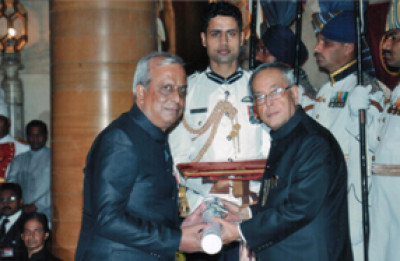
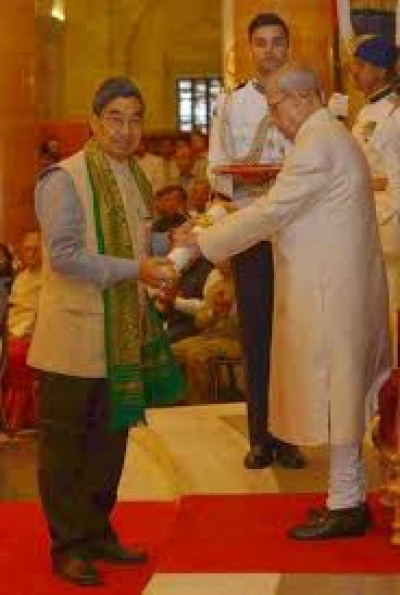
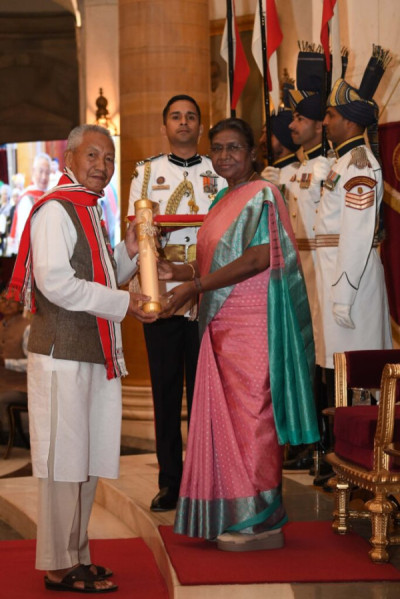
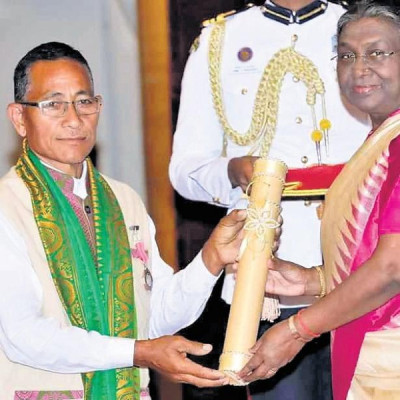
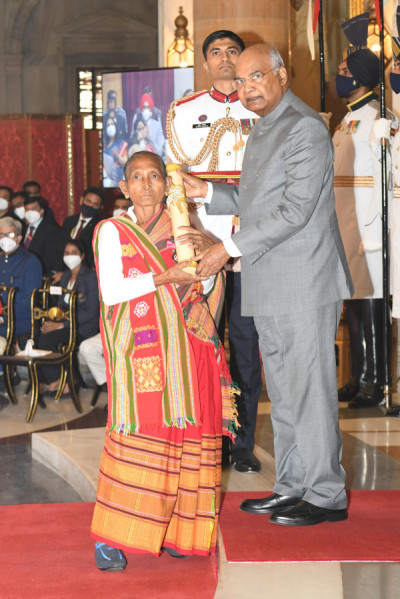
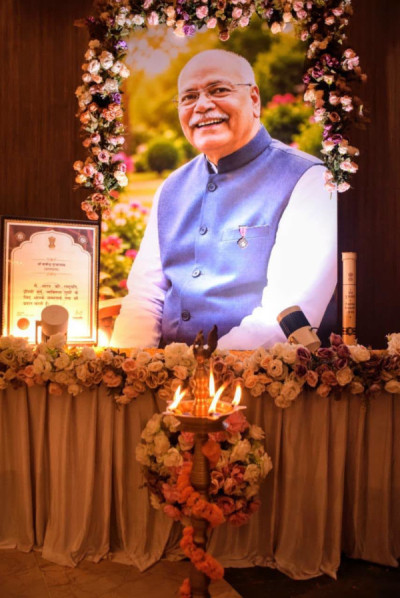
- Posthumously awarded the Padma Shri in 2026 for Public Affairs.
Positions Held
- Union Minister of State for Communications, Government of India
- Member of Parliament, Lok Sabha (1991-1996)
- Member of Parliament, Lok Sabha (1998-1999)
- Member of Parliament, Lok Sabha (2009-2014)
- Principal, Ramkrishna Vidyapeeth, Ramkrishna Nagar
- Senior Leader, Bharatiya Janata Party, Assam
- Senior RSS Functionary in Northeast India
Awards and Recognition
- Padma Shri (Posthumous), Government of India (2026)
- Honorary Doctorate for contribution to public life (2024)
- Widely recognized as one of the pioneers of BJP in Assam
- Honoured by various educational, cultural, and social organizations for his lifelong service
Death
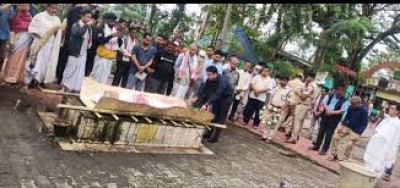
Kabindra Purkayastha passed away on 7 January 2026 at the age of 94. His death marked the end of an illustrious career spanning education, politics, and public service. His contributions continue to inspire future generations of leaders in Assam and across Northeast India.
Legacy
Kabindra Purkayastha is remembered as a dedicated parliamentarian, respected educationist, and visionary leader who devoted his life to strengthening democratic values and promoting the development of Assam. His work in education, refugee rehabilitation, governance, and public affairs left a lasting impact on the Barak Valley and the Northeast. The posthumous Padma Shri recognized his exceptional service to society and his enduring legacy in Indian public life.
FAQs about Kabindra Purkayastha
1. Who was Kabindra Purkayastha?
Kabindra Purkayastha was a veteran politician, educationist, former Union Minister, and three-time Member of Parliament from Assam.
2. Why is Kabindra Purkayastha famous?
He is known for his contributions to public affairs, education, refugee rehabilitation, and for serving as Union Minister of State for Communications.
3. When was Kabindra Purkayastha born?
He was born on 15 December 1931 in Kamarkhal, Sylhet district, now in Bangladesh.
4. Which political party did Kabindra Purkayastha belong to?
He was a senior leader and one of the founding members of the Bharatiya Janata Party (BJP) in Assam.
5. How many times was Kabindra Purkayastha elected to the Lok Sabha?
He was elected to the Lok Sabha three times from the Silchar Parliamentary Constituency in 1991, 1998, and 2009.
6. Which ministerial position did Kabindra Purkayastha hold?
He served as the Union Minister of State for Communications in Prime Minister Atal Bihari Vajpayee's government from 1998 to 1999.
7. Why was Kabindra Purkayastha awarded the Padma Shri?
He received the Padma Shri posthumously in 2026 for his outstanding contribution to Public Affairs and public service.
8. What was Kabindra Purkayastha's profession before politics?
Before entering active politics, he worked as an educationist and served as the Principal of Ramkrishna Vidyapeeth.
9. Did Kabindra Purkayastha write any books?
No officially verified records confirm that he authored any published books.
10. When did Kabindra Purkayastha pass away?
He passed away on 7 January 2026 at the age of 94.