Life & Legacy
Early Life
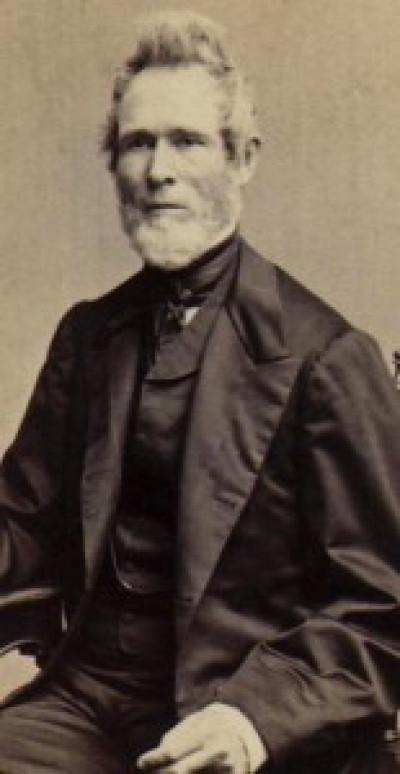
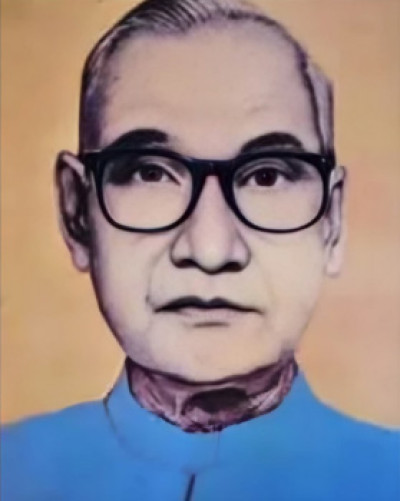
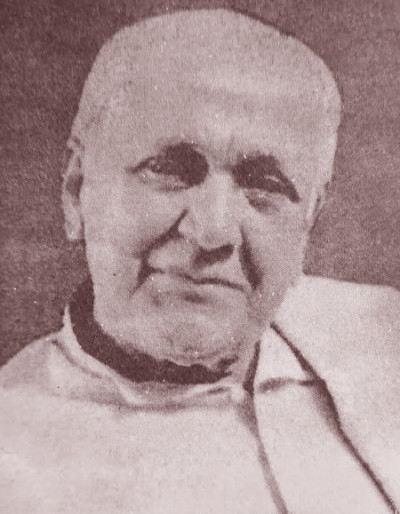
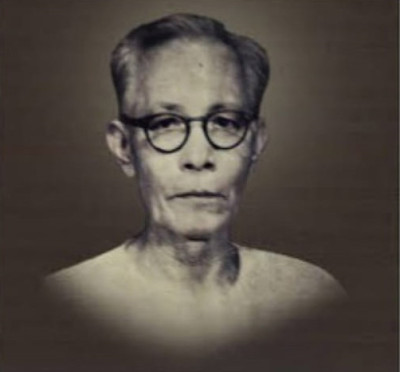
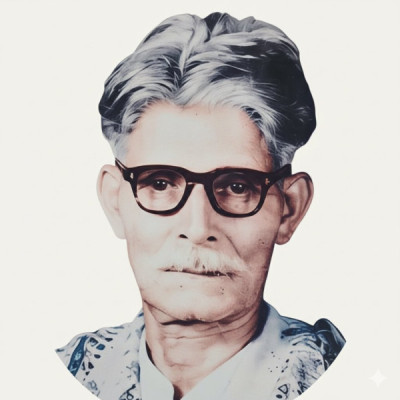
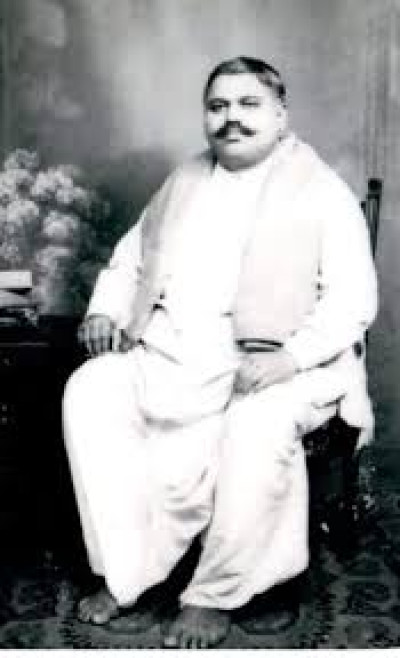
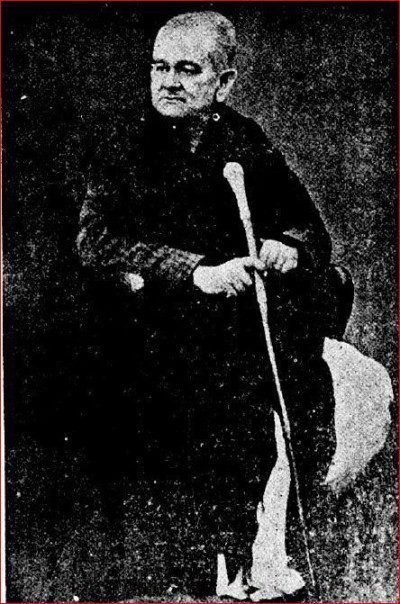
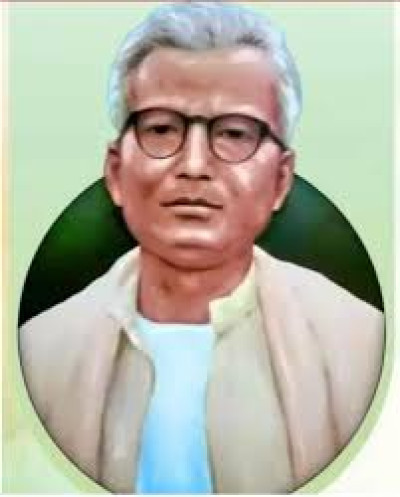
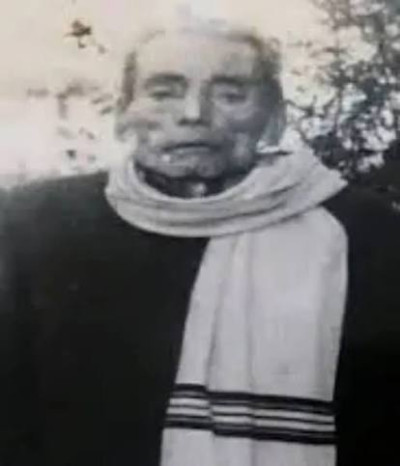
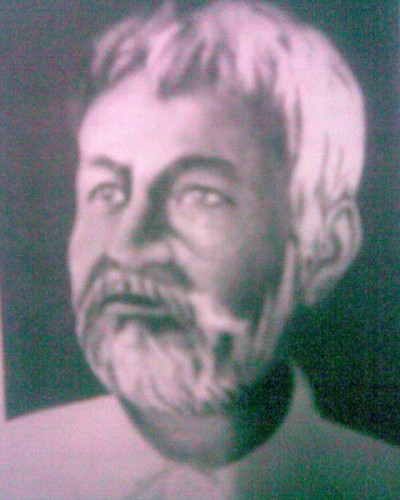
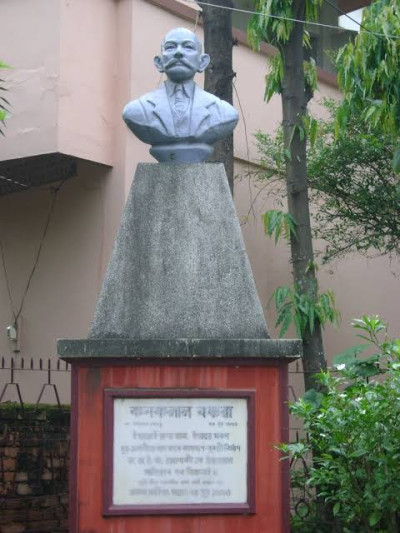
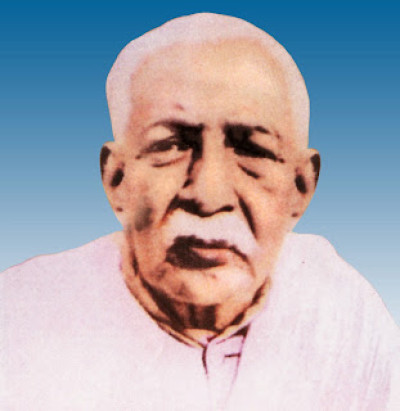
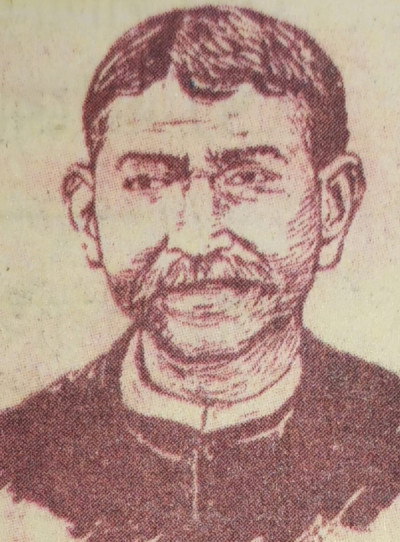
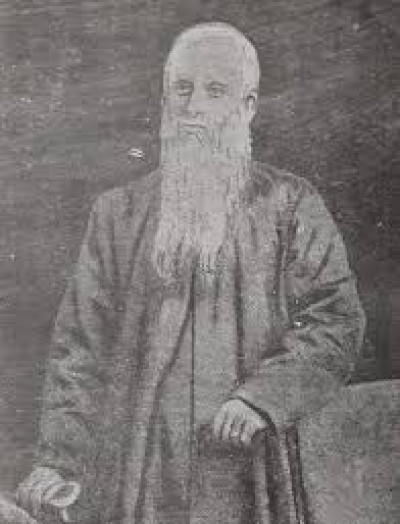
Gurudev Kalicharan Brahma was born as Kalicharan Mech on 18 April 1860 in Kajigaon (Kazigaon), located in present-day Kokrajhar district of Assam. His father, Khoularam Mech, was a successful timber merchant, while his mother was Randini Mech. Growing up in a financially stable family allowed him to receive elementary education from a private tutor before enrolling in local schools. However, after the untimely death of his father, Kalicharan had to discontinue his formal education and take responsibility for managing the family business. Despite this setback, he remained a passionate learner and developed a deep interest in religion, philosophy, and the welfare of society.
Education
Kalicharan Brahma received his early education at home under the guidance of a private tutor named Birnarayan Mech. He later studied at Tipkai Primary School and subsequently joined Puthimari M.V. School. Unfortunately, his education was interrupted after his father's death, forcing him to leave school and assist in the family's timber business. Although he could not pursue higher studies, his determination to acquire knowledge through self-learning shaped him into an influential thinker and reformer. His life later became a powerful example that wisdom and leadership are not limited to formal education.
Understanding the Challenges of Bodo Society
During the late nineteenth century, the Bodo community experienced a period of social and cultural decline. Illiteracy, poverty, excessive consumption of rice beer, animal sacrifices, superstitious beliefs, and several outdated customs affected the progress of the community. Many indigenous people were gradually losing confidence in their traditional identity, while religious conversions and social discrimination created additional challenges.
Kalicharan Brahma carefully observed these conditions and realized that meaningful progress could only be achieved through education, moral discipline, and religious reform. He believed that social transformation should begin with changes in personal character and community values rather than through conflict or violence.
Journey Towards Religious Reform
While searching for spiritual guidance, Kalicharan Brahma came across religious literature based on the teachings of reformist thinkers associated with the Brahmo movement. The philosophy of monotheism, rational thinking, equality, and moral living deeply influenced him. Seeking a better understanding of these principles, he travelled to Calcutta, where he came into contact with Swami Sibnarayan Paramahansa and embraced Brahmo ideals in 1906.
After returning to Assam, he adapted these teachings to suit the cultural needs of the Bodo people and introduced Brahma Dharma, a faith centred on the worship of one supreme formless God symbolized by sacred fire. The movement rejected idol worship, animal sacrifice, blind rituals, and social discrimination while encouraging honesty, simplicity, compassion, and disciplined living. His spiritual leadership earned him the title "Gurudev," and from then onward he became widely known as Gurudev Kalicharan Brahma.
Brahma Dharma was not merely a religious movement but also a social awakening that encouraged people to embrace education, equality, cleanliness, self-respect, and ethical conduct. Gurudev believed that true devotion to God should be reflected through good character, service to humanity, and responsible citizenship rather than through elaborate rituals or superstition.
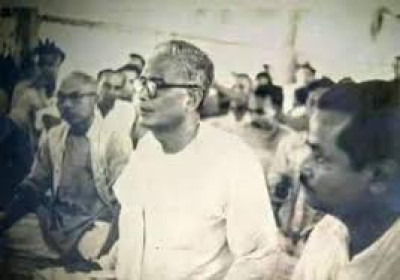
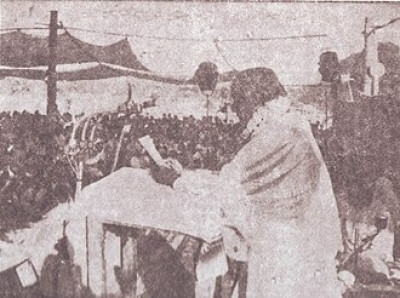
Through public meetings, religious gatherings, village conferences, and continuous interaction with ordinary people, he spread his message across different parts of Assam. His teachings gradually inspired thousands of followers and laid the foundation for a peaceful social renaissance among the Bodo community, making him one of the most influential reformers in the history of Northeast India.
Social Reforms and Community Development
After establishing Brahma Dharma, Gurudev Kalicharan Brahma devoted himself to improving every aspect of Bodo society. He strongly opposed social practices that he believed prevented the community from progressing, including excessive consumption of rice beer, unnecessary animal sacrifices, superstition, unhygienic living conditions, and other harmful customs. Instead, he encouraged people to lead disciplined lives based on honesty, hard work, cleanliness, and mutual respect.
He emphasized that every individual had a responsibility toward society and urged families to educate their children, maintain healthy surroundings, and adopt ethical values. He also appealed to people to abandon criminal activities, laziness, and addiction, believing that these habits weakened both individuals and the community as a whole. His reform movement gradually transformed public attitudes and inspired thousands of families to embrace healthier and more responsible lifestyles.
Promotion of Education
Education remained one of the central pillars of Gurudev Kalicharan Brahma's vision for social progress. Although he himself could not complete formal schooling, he realized that education was the most powerful tool for empowering future generations. He encouraged parents to send both boys and girls to school and continuously campaigned for better educational opportunities for the Bodo community.
His efforts contributed to the establishment of schools, hostels, educational associations, and scholarship initiatives. He actively supported the creation of student organizations that later played an important role in developing leadership among Bodo youth. His guidance also inspired intellectuals and community leaders who worked to improve literacy and educational access across Assam.
Economic and Rural Development
Gurudev believed that economic independence was essential for social dignity. He encouraged agriculture, weaving, cottage industries, timber trade, and small-scale businesses to improve the financial condition of rural families. He motivated villagers to become self-reliant instead of depending entirely on traditional occupations.
Under his inspiration, several community organizations promoted vocational training, weaving centres, farmers' associations, and cooperative activities. These initiatives strengthened local livelihoods and encouraged economic participation among ordinary people.
Preservation of Bodo Language and Culture
At a time when many indigenous communities faced cultural assimilation, Gurudev Kalicharan Brahma became a strong advocate for preserving Bodo language, customs, and identity. He believed that genuine development could never be achieved by abandoning one's cultural heritage. Instead, he encouraged the community to modernize while remaining proud of its traditions.
He supported the use of traditional Bodo surnames and promoted awareness of indigenous history, language, literature, and customs. His leadership inspired future generations to continue working for the preservation and recognition of Bodo identity, which later became an important part of Assam's cultural landscape.
Political Contributions
Although primarily known as a social and religious reformer, Gurudev Kalicharan Brahma also made significant contributions to public affairs. He believed that education and organized representation were essential for protecting the rights of indigenous communities.
In 1911, he appealed to the British administration to officially recognize traditional Bodo surnames in government records and census documents. He also encouraged the establishment of educational institutions and submitted memorandums seeking scholarships and better educational facilities for tribal students.
His leadership became even more significant during the proceedings of the Simon Commission in 1929. Along with other community representatives, he submitted a memorandum demanding political representation, educational benefits, employment opportunities, protection of indigenous identity, and constitutional safeguards for the tribal communities of Assam. Many of these demands later influenced policies that benefited tribal populations.
Major Achievements
- Founded Brahma Dharma among the Bodo community in 1906.
- Led one of the most influential socio-religious reform movements in Assam.
- Popularly known as the "Mech Gandhi of Assam."
- Encouraged education among boys and girls.
- Campaigned against alcoholism, superstition, and harmful social customs.
- Promoted cleanliness, morality, discipline, and ethical living.
- Inspired the establishment of educational institutions and student organizations.
- Encouraged preservation of Bodo language, culture, and indigenous identity.
- Submitted memorandums seeking constitutional and educational rights for tribal communities.
- Played an important role in the Bodo socio-political awakening during British rule.
- Inspired future Bodo leaders including Rupnath Brahma and several social reformers.
Positions Held
Although Gurudev Kalicharan Brahma did not hold high government office, he occupied several influential leadership roles within society through his reform movement.
- Founder and spiritual leader of Brahma Dharma among the Bodos.
- Social and religious reformer of the Bodo community.
- Community leader of the Bodo reform movement.
- Founder and mentor associated with early Bodo student initiatives that later evolved into organized student movements.
- Leader of various Bodo social conferences and reform campaigns.
- Representative of the Bodo community during constitutional and administrative discussions with the British Government.
Awards and Recognition
During his lifetime, Gurudev Kalicharan Brahma earned widespread respect for his selfless service rather than formal awards. His legacy continues to be honoured through several recognitions.
- Revered as "Gurudev" by the Bodo community.
- Popularly known as the "Mech Gandhi of Assam."
- The Government of Assam instituted the Kalicharan Brahma Award to honour outstanding contributions in social service, education, and cultural preservation.
- Numerous educational institutions, roads, community halls, and organizations across Assam have been named in his honour.
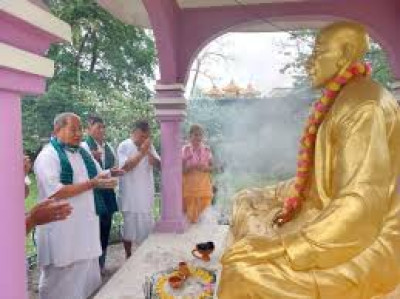
- His birth anniversary on 18 April is observed annually by various organizations, educational institutions, and members of the Bodo community.
- Widely remembered as one of the greatest architects of the Bodo social renaissance.
Death
Gurudev Kalicharan Brahma passed away on 8 May 1938 at his native village. His death marked the end of an extraordinary chapter in Assam's social history, but his ideals continued to inspire future generations. Today, he is remembered not only as a religious leader but also as a visionary reformer whose work transformed the social, educational, cultural, and political consciousness of the Bodo community.
Legacy
The legacy of Gurudev Kalicharan Brahma extends far beyond religion. His movement encouraged moral discipline, education, self-confidence, equality, and cultural pride, helping shape the modern identity of the Bodo people. His contributions influenced later educational reforms, social organizations, political awareness, and movements for indigenous rights in Assam.
Even decades after his passing, his teachings continue to inspire scholars, students, social workers, and community leaders. His vision of combining spirituality with education, social responsibility, and cultural preservation remains relevant in contemporary society. Gurudev Kalicharan Brahma is rightly regarded as one of the greatest reformers in the history of Assam and a timeless symbol of unity, progress, and indigenous empowerment.
FAQs about Gurudev Kalicharan Brahma
1. Who was Gurudev Kalicharan Brahma?
Gurudev Kalicharan Brahma was a renowned Bodo social and religious reformer from Assam who founded Brahma Dharma and dedicated his life to uplifting the Bodo community through education, moral values, and social reforms.
2. Why is Gurudev Kalicharan Brahma called the Mech Gandhi of Assam?
He is known as the Mech Gandhi of Assam because of his peaceful approach to social reform, his commitment to non-violence, and his efforts to improve the lives of the Bodo people through education and ethical living.
3. When and where was Gurudev Kalicharan Brahma born?
Gurudev Kalicharan Brahma was born on 18 April 1860 in Kajigaon (Kazigaon), located in present-day Kokrajhar district of Assam, India.
4. What is Brahma Dharma founded by Gurudev Kalicharan Brahma?
Brahma Dharma is a monotheistic religious movement introduced by Gurudev Kalicharan Brahma in 1906. It promotes belief in one supreme formless God, moral discipline, truthfulness, equality, and rejection of superstition and animal sacrifice.
5. What were the major contributions of Gurudev Kalicharan Brahma?
His major contributions include founding Brahma Dharma, promoting education, preserving Bodo identity, encouraging social reforms, opposing harmful customs, supporting indigenous rights, and inspiring political awareness among the Bodo community.
6. How did Gurudev Kalicharan Brahma help the Bodo community?
He encouraged literacy, social equality, cultural preservation, cleanliness, discipline, women's education, economic self-reliance, and community unity, helping lay the foundation for the modern development of Bodo society.
7. Did Gurudev Kalicharan Brahma participate in political movements?
Yes. He submitted memorandums to the British Government seeking educational opportunities, political representation, constitutional safeguards, and protection of the rights of the tribal communities of Assam, including during the Simon Commission period.
8. Are there any awards named after Gurudev Kalicharan Brahma?
Yes. The Government of Assam instituted the Kalicharan Brahma Award to honour individuals who have made significant contributions to education, social service, and cultural preservation.
9. When did Gurudev Kalicharan Brahma pass away?
Gurudev Kalicharan Brahma passed away on 8 May 1938, leaving behind a lasting legacy of social reform, religious awakening, and cultural empowerment.
10. Why is Gurudev Kalicharan Brahma important in the history of Assam?
Gurudev Kalicharan Brahma is regarded as one of Assam's greatest reformers because he transformed Bodo society through education, religious reform, cultural preservation, social awareness, and advocacy for indigenous rights, making him an enduring symbol of progress and unity.