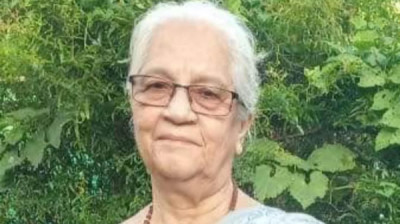
Life & Legacy
Early Life
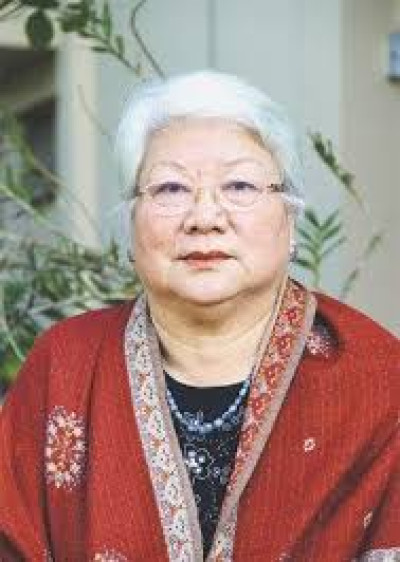
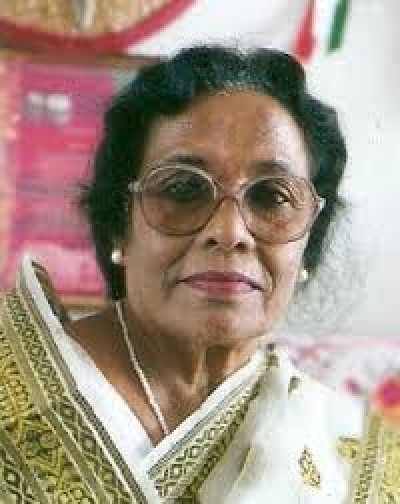
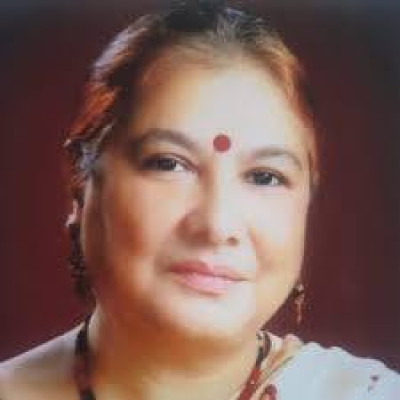
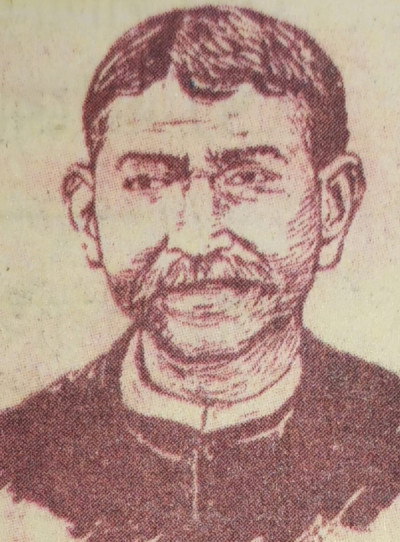
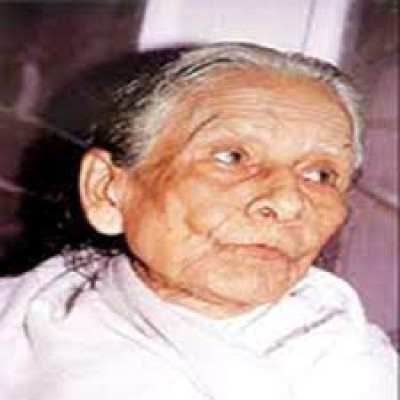
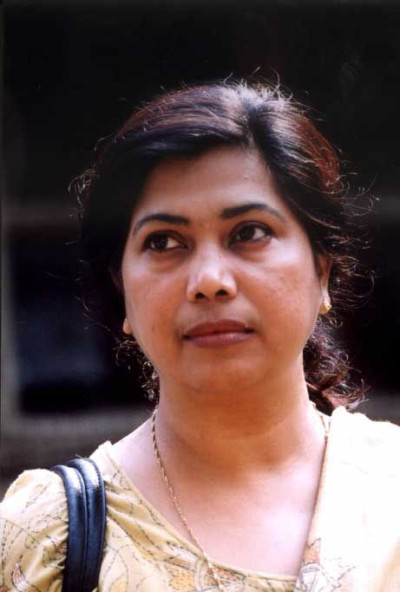
Geeta Upadhyay was born on 14 February 1939 in Gangmouthan village, now in Biswanath district of Assam. She belonged to the renowned family of freedom fighter Chabilal Upadhyay. Her father, Tankanath Upadhyay, was a scholar, translator and avid reader who encouraged education and literature in the family. Growing up in a literary environment inspired Geeta Upadhyay to develop a deep interest in books, languages and culture from an early age.
Education
She completed her primary education at Gangmouthan Balika Prathamik Vidyalaya and passed the HSLC examination from Behali High School in 1955. She later graduated from Handique Girls College, Guwahati, in 1959 and earned a Master's degree in Political Science from Gauhati University in 1964. She became the first woman from the Gorkha community in Assam to obtain both graduate and postgraduate degrees, creating a historic milestone in higher education.
Academic Career
After completing her education, Geeta Upadhyay joined Sibsagar College as a lecturer in the Department of Political Science in 1965. She served the institution for more than three decades and retired in 1999 as the Head of the Department. She was admired by students for her dedication to teaching, academic excellence and commitment to social values. She also served as a member of the Board of Management of Tezpur University and actively participated in educational and cultural development.
Literary Career
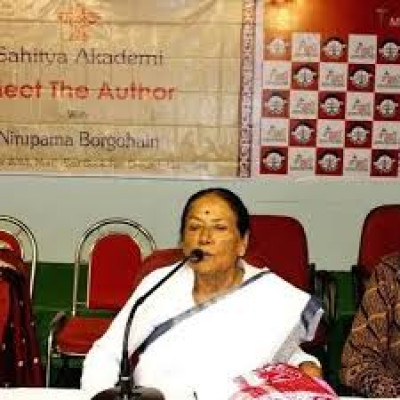
Alongside teaching, Geeta Upadhyay established herself as one of the finest bilingual writers of Assam. She wrote extensively in both Assamese and Nepali, producing novels, biographies, travelogues, children's literature, essays, short stories and autobiographical works. Her writings reflected history, social issues, women's empowerment, cultural identity and human values.
She made an extraordinary contribution as a translator by introducing major literary works to readers across linguistic communities. Her translations of The Diary of Anne Frank, Bhanubhakta Ramayan, Muna Madan, Karengar Ligiri and Abhijatri became highly appreciated for their accuracy and literary quality. Through these works, she successfully built a lasting bridge between Assamese and Nepali literature.
Her acclaimed novel Janmabhumi Mero Swadesh, based on the life of her grandfather Chabilal Upadhyay, earned the Sahitya Akademi Award and highlighted the role of the Gorkha community during India's freedom movement.
Social and Cultural Contributions
Beyond literature, Geeta Upadhyay remained actively associated with several literary and social organisations. She served as President of the Nepali Sahitya Parishad (Assam), Akhil Asom Lekhika Sanstha and the Assam branch of Bharatiya Gorkha Parishad. She consistently promoted women's education, cultural harmony and linguistic unity. Her efforts significantly strengthened mutual understanding between Assamese and Nepali-speaking communities across Northeast India.
Major Books
Original Works
- Janmabhumi Mero Swadesh
- Jiwanlai Pharkera Herda
- Mahapurush Shankardev: Jeevan Ra Karma
- Kathanjali
- Mandakini Ra Alakanandako Tiraitir Badri Kedarsamma
- Aamaa Ma First Bhayen
- Maa Moi First Halon
- Nepal Deshar Loka-Xadhu
- Subasit Batah
Important Translations
- The Diary of Anne Frank (Nepali)
- The Diary of Anne Frank (Assamese)
- Bhanubhakta Ramayan
- Muna Madan
- Darbarki Susare
- Abhijatri
- Kala Suruj
- Thalua Santan
- Aanandi Gopal
- Nij Abhivyaktir Daponat Karmabir Dhan Bahadur Sonar
Positions Held
- Lecturer, Department of Political Science, Sibsagar College
- Head of the Department of Political Science, Sibsagar College
- Member, Board of Management, Tezpur University
- President, Nepali Sahitya Parishad (Assam)
- President, Akhil Asom Lekhika Sanstha
- President, Bharatiya Gorkha Parishad (Assam Branch)
- Member, Juvenile Court, Tezpur
Awards and Recognition
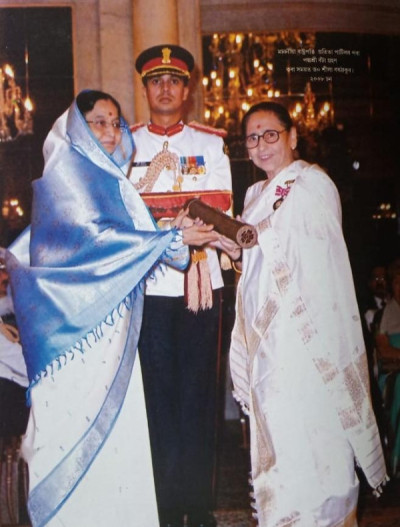
- Padma Shri (2025)
- Sahitya Akademi Award (2016)
- Sahitya Akademi Translation Award (2012)
- Padma Prasad Dhungana Award (2001)
- Literary Pension by Government of Assam (2003)
- Parijat Miteri Samman (2007)
- Abhi-Jaman Smriti Award (2008)
- Phulchand Khandelwal Award (2009)
- Mahakavi Devkota Satabdi Samman (2010)
- Lalman Sancharani Award (2010)
- Pravina Saikia Sahitya Award (2011)
- Bhanu Samman (2011)
- Sati Sadhini Samman (2026)
Death
Geeta Upadhyay passed away on 12 July 2026 at the age of 87. Her passing marked the end of an extraordinary literary journey that inspired generations of readers, writers and educators. She is remembered for preserving India's multilingual literary heritage and strengthening the cultural bond between Assamese and Nepali literature.
Legacy
Geeta Upadhyay's contribution extends far beyond books and classrooms. She transformed translation into a tool for cultural integration, encouraged higher education among women and promoted mutual respect among different linguistic communities. Her works continue to inspire scholars, students and literature lovers across Assam and India, making her one of the most influential literary personalities from the state.