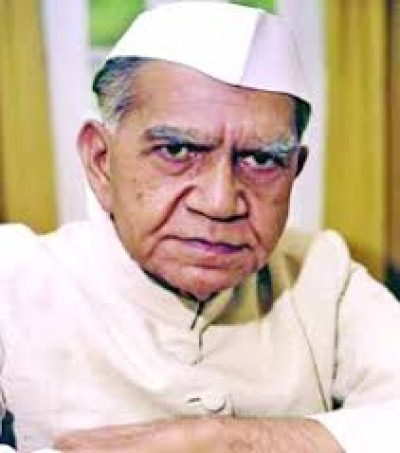
Life & Legacy
Early Life
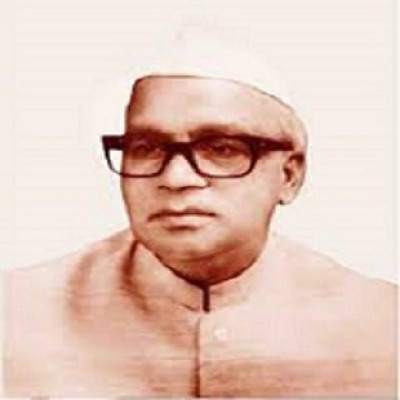
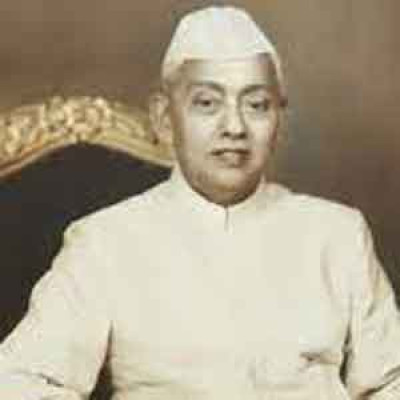
Fakhruddin Ali Ahmed was born on 13 May 1905 in Old Delhi into a respected family. His father, Colonel Zalnur Ali Ahmed, served in the Indian Medical Service, while his mother, Ruqaiyya Sultana, belonged to a prominent family with roots in Assam. Although born in Delhi, his family's strong association with Assam made him one of the state's most notable political personalities.
Education
Ahmed received his early education at Government High School in Gonda and later studied at Government High School, Delhi. He completed his graduation from St. Stephen's College, University of Delhi. Driven by his interest in law, he moved to England and studied at St Catharine's College, University of Cambridge. After qualifying in law, he returned to India and began practicing at the Lahore High Court before shifting his legal career to Assam.
Entry into Public Life
Inspired by Mahatma Gandhi and the Indian National Congress, Fakhruddin Ali Ahmed entered the freedom movement during the early 1930s. He actively participated in the national struggle against British rule and joined the Civil Disobedience Movement. His political activities led to imprisonment, strengthening his commitment to India's independence and democratic ideals.
Political Career
After returning to Assam, Ahmed established himself as both a successful lawyer and an influential political leader. He was elected to the Assam Legislative Assembly and worked on issues related to agriculture, finance, education, and rural development. His administrative abilities earned him recognition within the Congress Party.
Following India's independence, he continued to serve in several important public offices. He represented Assam in Parliament and later joined the Union Council of Ministers under Prime Minister Indira Gandhi. During his ministerial career, he handled several important portfolios, including Food and Agriculture, Irrigation and Power, Industrial Development, Company Affairs, and Education. His balanced approach and administrative experience helped shape several national policies during a crucial phase of India's development.
President of India
On 24 August 1974, Fakhruddin Ali Ahmed assumed office as the fifth President of India. His election marked a significant moment in Indian democracy, reflecting the country's commitment to secularism and inclusive leadership. As President, he performed his constitutional responsibilities during one of the most politically challenging periods in independent India.
His presidency is closely associated with the declaration of the National Emergency in June 1975. Acting on the advice of the Council of Ministers as required under the Constitution, he signed the proclamation of Emergency. This decision remains one of the most discussed events in modern Indian political history and continues to be examined by historians and constitutional scholars.
Contributions and Legacy
Fakhruddin Ali Ahmed devoted more than four decades to public life. He promoted national integration, democratic governance, agricultural development, and public administration. Throughout his career, he maintained close ties with Assam while contributing significantly to national politics.
His journey from a lawyer to a Cabinet Minister and eventually the President of India continues to inspire students of political science and public administration. His life reflects dedication to constitutional values, public service, and national unity.
Major Achievements
- Fifth President of India.
- One of the most prominent political leaders from Assam.
- Freedom fighter who participated in the Indian independence movement.
- Served as Union Cabinet Minister under Prime Minister Indira Gandhi.
- Held important ministries including Agriculture, Food, Industrial Development, Education, and Company Affairs.
- Represented Assam in both state and national politics.
- Promoted democratic governance and national integration.
- Played an important role in shaping post-independence Indian administration.
Awards and Recognition
Although Fakhruddin Ali Ahmed did not receive major civilian awards during his lifetime, he earned widespread respect for his constitutional office and public service. Several institutions, roads, educational establishments, and public facilities across India have been named in his honour, including Fakhruddin Ali Ahmed Medical College in Assam.
Death
Fakhruddin Ali Ahmed passed away on 11 February 1977 while serving as the President of India. He died at Rashtrapati Bhavan in New Delhi following a heart attack, becoming the second Indian President to die in office. His passing marked the end of a distinguished political career dedicated to public service and constitutional democracy. He was laid to rest with full state honours, and his contributions continue to be remembered across India, especially in Assam.
FAQs about Fakhruddin Ali Ahmed