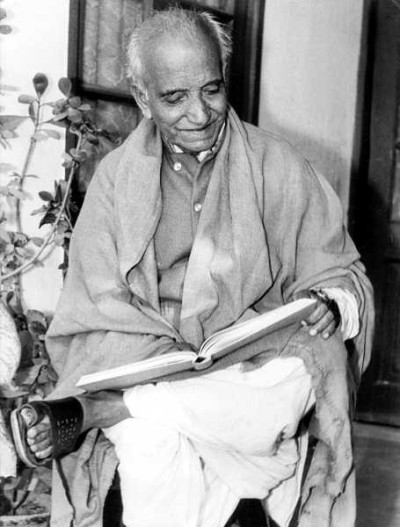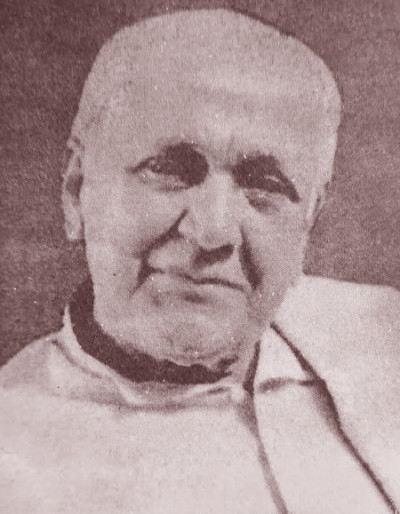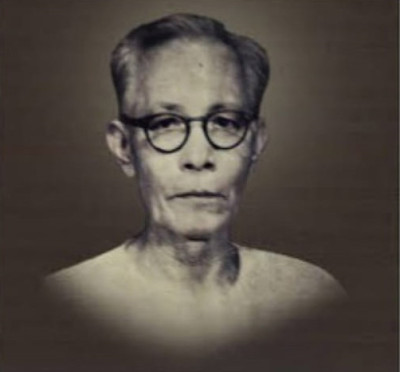
Life & Legacy
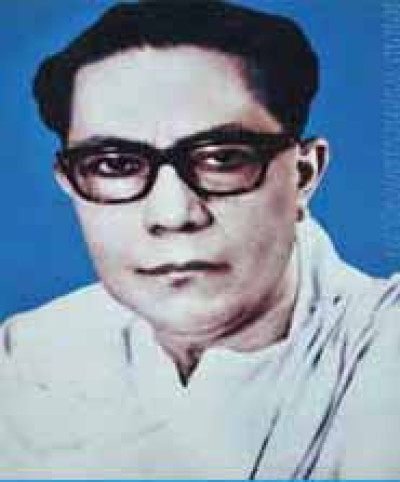
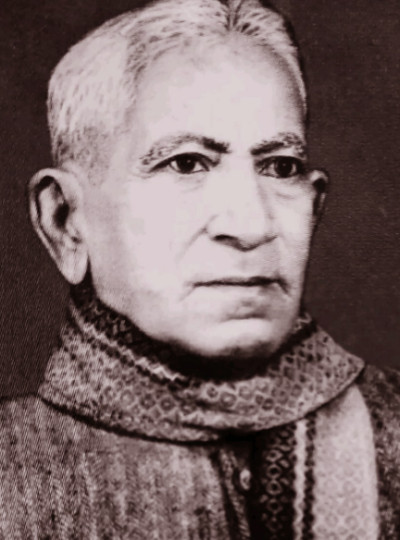
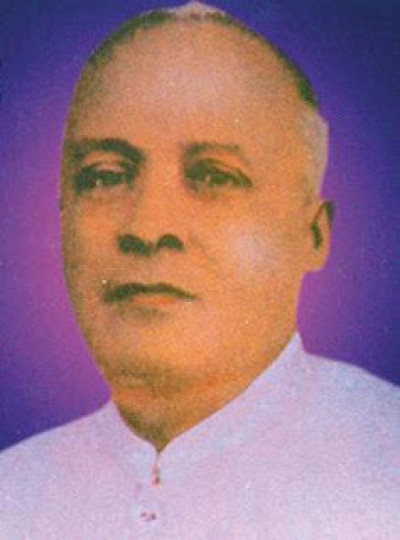
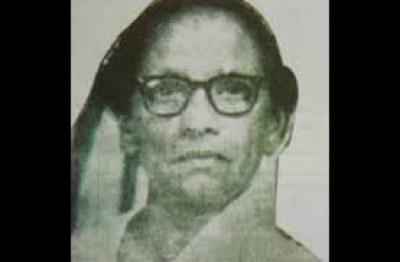
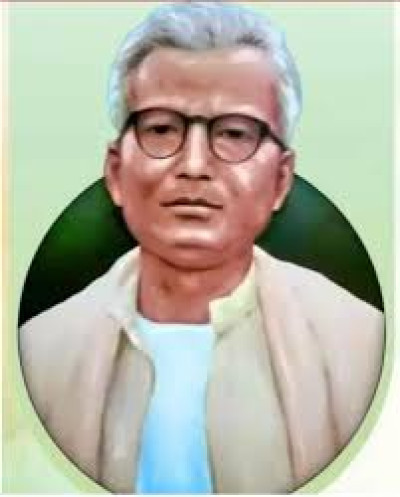
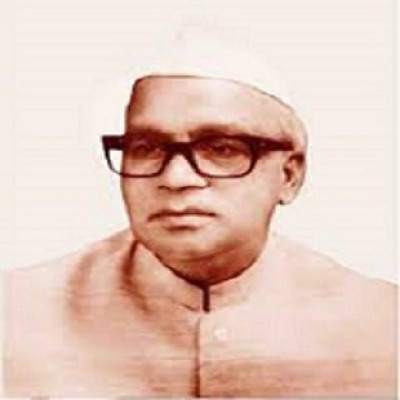
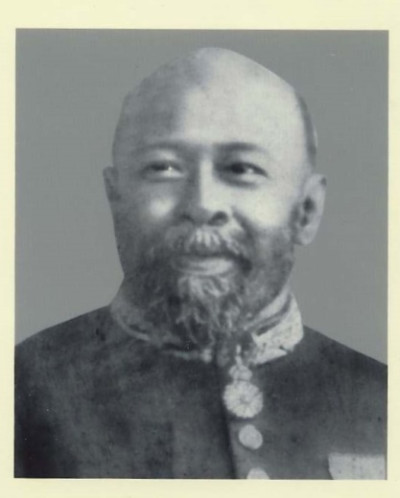
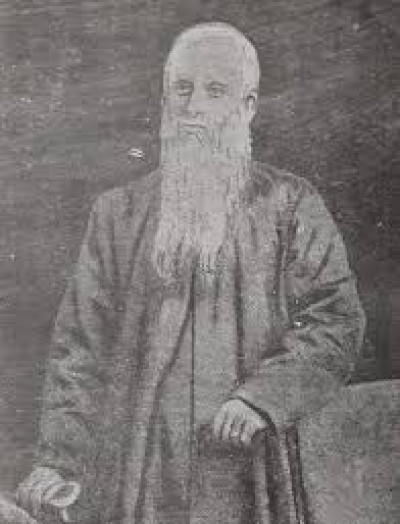
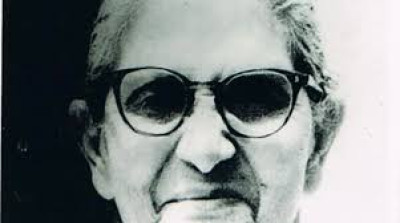
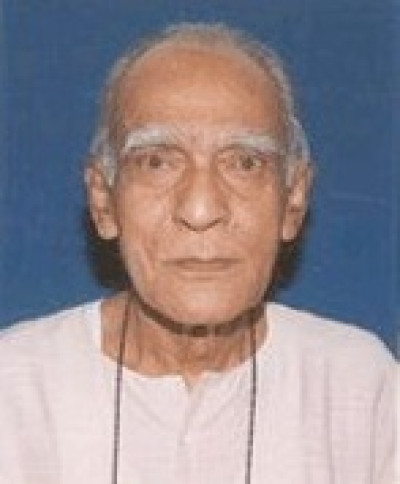
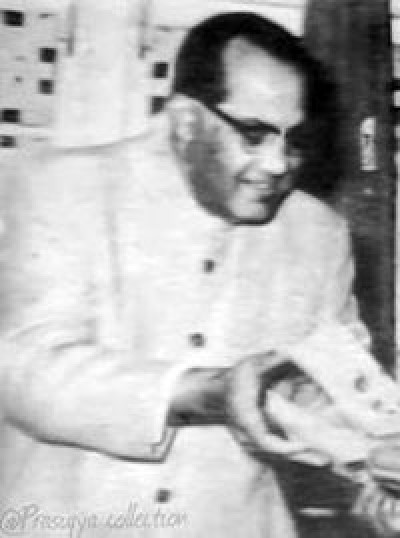
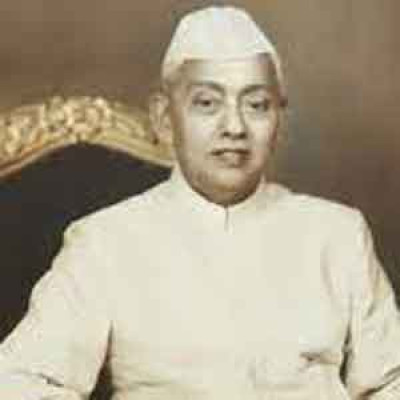
Dr. Moidul Islam Bora was the first PhD holder from Assam from London University, a historic milestone that placed Assam prominently on the global academic map. Despite having opportunities for a comfortable international career, he chose to dedicate his life to the progress of Indian society, Assamese language, and the idea of an undivided India.
Early Life and Education
Dr. Moidul Islam Bora was born into an era when access to higher education was limited, especially for students from northeastern India. From an early age, he displayed exceptional academic brilliance and a deep interest in history, literature, and languages. His pursuit of higher studies eventually led him to London University, where he earned his doctorate, becoming the first Assamese to achieve a PhD from a foreign university.
His education exposed him to global political thought, historical research methodologies, and comparative cultural studies. However, instead of distancing him from his roots, this international exposure strengthened his commitment to Assam and India.
Academic Excellence and Intellectual Contributions
Dr. Bora was not only an academic achiever but also a serious researcher and translator. One of his most notable scholarly contributions was the translation of the famous Persian historical work Baharistan-i-ghaibi into English. This text is a critical historical chronicle documenting Mughal expansion in regions such as Bihar, Bengal, Assam, and Koch Bihar.
By translating this work, Dr. Bora made an important historical source accessible to a global audience. His efforts helped scholars better understand the political and cultural history of eastern India. In addition, he translated numerous English texts into Assamese, ensuring that students of Assam could access modern knowledge in their mother tongue.
His work laid a strong foundation for academic research in history, Persian studies, and Assamese literature.
Role in Assamese Language and Literature
Dr. Moidul Islam Bora was deeply committed to the growth and recognition of the Assamese language. His passion for literature led him to become the youngest President of Asom Sahitya Sabha, the most prestigious literary institution of Assam. He served as President in 1940, a time when preserving linguistic identity was essential for cultural survival.
Under his leadership, Assamese literature gained renewed strength and direction. He encouraged scholarly writing, research-based literature, and the inclusion of historical awareness within literary works. His presidency symbolized the integration of intellect, nationalism, and cultural pride.
Leadership at Dhaka University
Dr. Bora also served as the Acting Vice-Chancellor of Dhaka University, one of the most prominent educational institutions in British India. His appointment reflected the respect he commanded across academic circles in India.
During his tenure, he upheld secular principles and academic independence. He believed universities should be centers of rational thought, free from communal politics. This belief would later place him directly in opposition to divisive political ideologies emerging at the time.
Opposition to the Pakistan Plan and Stand for Akhand Bharat
One of the most defining aspects of Dr. Moidul Islam Boras life was his firm opposition to communal division and the Pakistan Plan proposed by Muhammad Ali Jinnah. At a time when religious polarization was increasing, Dr. Bora remained a staunch supporter of Akhand Bharat, or undivided India.
He openly challenged Jinnahs idea of creating a separate state based on religion. Dr. Bora strongly believed that Indias strength lay in unity and secularism under the leadership of Mahatma Gandhi. His ideological stand was courageous, especially considering the political climate of the early 1940s.
Martyrdom in Lucknow
In 1944, Dr. Moidul Islam Bora was invited to speak at the All India History Conference in Lucknow. His presence as a keynote speaker reflected his stature as a historian and intellectual leader. However, this event tragically became the final chapter of his life.
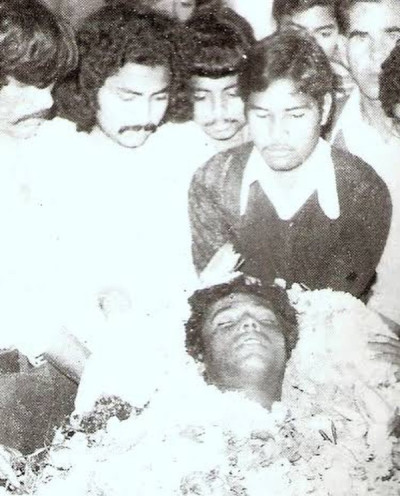
After strongly criticizing communal politics and the role of the Muslim League during the conference, Dr. Bora was allegedly assassinated through poisoning. He sacrificed his life for his unwavering stand against religious division and for the dream of a united India.
His death shocked the nation and marked him as one of the lesser-known martyrs of Indias freedom struggle.
Legacy and Inspiration
Though his life was short, Dr. Moidul Islam Boras impact was profound. He remains an enduring symbol of intellectual courage, secular values, and Assamese pride. His contributions continue to inspire scholars, students, and cultural activists in Assam and beyond.
There remains vast scope for further research on his works, translations, and political thought. For the younger generation of Assam, Dr. Bora represents the ideal blend of scholarship and patriotism.
Why Dr. Moidul Islam Bora Is a Famous Personality of Assam
-
First Assamese PhD holder from London University
-
President of Asom Sahitya Sabha at a young age
-
Acting Vice-Chancellor of Dhaka University
-
Scholar of Persian and Indian history
-
Translator of historically significant texts
-
Martyr for national unity and secularism
His life story is an essential part of Assamese and Indian history.
FAQs on Dr. Moidul Islam Bora
FAQ 1: Who was Dr. Moidul Islam Bora?
Dr. Moidul Islam Bora was a famous Assamese scholar, patriot, and intellectual leader known for his academic excellence and nationalist ideology.
FAQ 2: Why is Dr. Moidul Islam Bora famous in Assam?
He was the first PhD holder from Assam, President of Asom Sahitya Sabha, and a martyr who opposed communal division in India.
FAQ 3: From which university did Dr. Moidul Islam Bora earn his PhD?
He earned his PhD from London University, becoming the first Assamese to do so.
FAQ 4: What was Dr. Moidul Islam Boras role in Assamese literature?
He promoted Assamese language and literature and served as President of Asom Sahitya Sabha in 1940.
FAQ 5: What book did Dr. Moidul Islam Bora translate?
He translated the Persian historical text Baharistan-i-ghaibi into English.
FAQ 6: How did Dr. Moidul Islam Bora die?
He was allegedly assassinated by poisoning during the All India History Conference in Lucknow in 1944.
FAQ 7: What was Dr. Moidul Islam Boras political ideology?
He strongly supported Akhand Bharat and opposed the idea of India being divided on religious lines.
FAQ 8: Was Dr. Moidul Islam Bora associated with Dhaka University?
Yes, he served as the Acting Vice-Chancellor of Dhaka University.
FAQ 9: What was Dr. Moidul Islam Boras contribution to Indian history?
He contributed through historical research, translations, and ideological opposition to communal politics.
FAQ 10: Why is Dr. Moidul Islam Bora relevant today?
His life inspires unity, secular values, intellectual courage, and commitment to cultural