Life & Legacy
Early Life
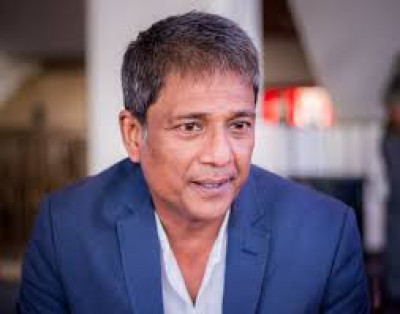
Debajit Changmai was born on 3 September 1974 in Betbari village of Sivasagar district, Assam, to Gopinath Changmai and Hiranya Changmai. Growing up in Assam, he developed a keen interest in science and technology while also appreciating music and cinema. These interests later combined to shape his successful career in sound engineering.
Education
Debajit completed his school education in Sivasagar before pursuing higher studies at Jorhat Science College, where he graduated with Physics (Honours) in 1996. His fascination with sound technology encouraged him to enroll in a three-year Diploma in Sound Recording and Engineering at Jyoti Chitraban Film Studio, Guwahati. The professional training gave him the technical knowledge and practical experience required to build a career in the Indian film industry.
Career
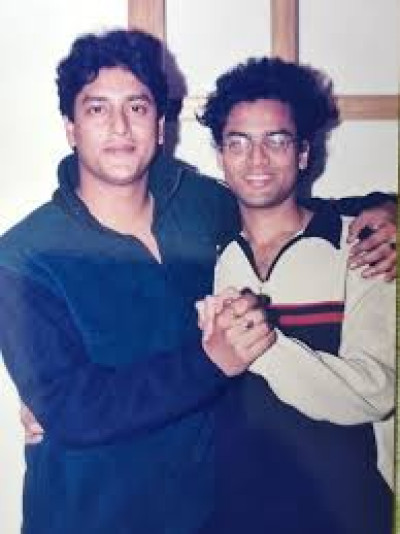
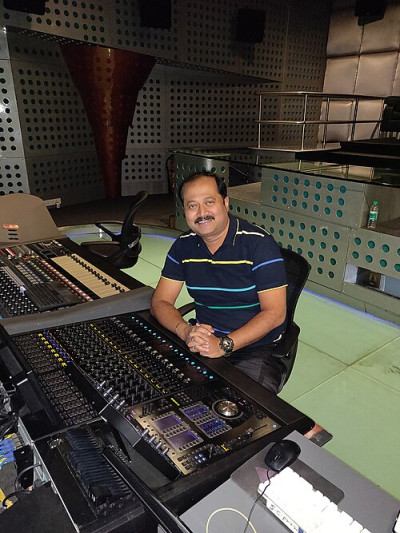
After completing his diploma in 1999, Debajit realized that opportunities in professional sound engineering were limited in Assam. Determined to establish himself, he moved to Mumbai in 2002 along with fellow sound engineer Amrit Pritam Dutta. Starting his career under experienced professionals, he gradually mastered the art of sound recording, sound mixing, and sound design.
His breakthrough came with Pyaar Ke Side Effects, after which he became associated with several acclaimed Bollywood productions. Over the years, he has contributed to the sound departments of blockbuster and critically acclaimed films including Ishqiya, Barfi!, Haider, Bhaag Milkha Bhaag, Don 2, Kaminey, Talaash, Heroine, Kick, Aisha, The Reluctant Fundamentalist, Beyond the Clouds, Nautanki Saala, and many others.
Apart from Hindi cinema, Debajit has remained closely connected with Assamese films. He has provided sound design for notable Assamese productions such as Jeevan Baator Logori, Bandhon, Maj Rati Keteki, Antareen, Bhoga Khiriki, Kanin, and Ratnakar, contributing significantly to the technical advancement of Assamese cinema.
His expertise has also led him to collaborate with internationally acclaimed filmmakers such as Mira Nair and Majid Majidi. Since 2018, he has been a member of the Academy of Motion Picture Arts and Sciences (Oscars), a distinction achieved by only a select group of Indian film professionals.
Major Achievements
Debajit Changmai has built a distinguished career spanning more than two decades.
His major achievements include:
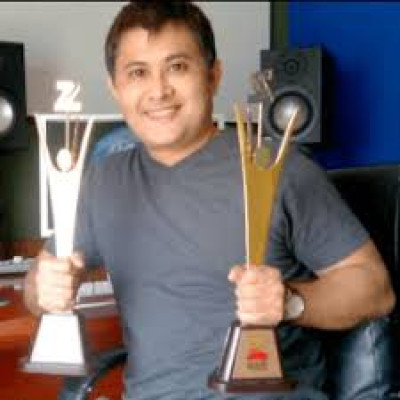
- Winner of the National Film Award for Best Audiography (Sound Design) for Ishqiya.
- Recipient of the Apsara (Star Guild) Award for Best Sound Design for Barfi!.
- Winner of the IIFA Award for Best Sound Mixing for Haider.
- Worked on more than 200 feature films in multiple Indian languages.
- First Indian film mixing engineer to collaborate with internationally renowned directors Mira Nair and Majid Majidi.
- Member of the Academy of Motion Picture Arts and Sciences (Oscars) since 2018.
- Recognized as one of India's leading professionals in film sound engineering.
Awards and Recognition
Throughout his career, Debajit Changmai has received several prestigious honours.
- National Film Award for Best Audiography (Sound Design) - Ishqiya (2011)
- Dhvani Award (2012)
- Apsara (Star Guild) Award for Best Sound Design - Barfi! (2013)
- IIFA Award for Best Sound Mixing - Haider (2015)
- Multiple industry recognitions for sound design and sound mixing
- Member, Academy of Motion Picture Arts and Sciences (Oscars) since 2018
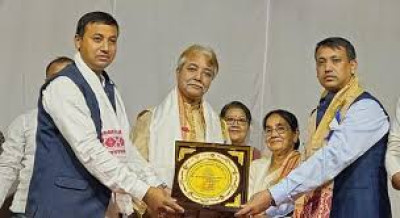
- Assam Gaurav Award conferred by the Government of Assam in 2024 (for 2023)
Positions Held
- Professional Sound Designer
- Film Mixing Engineer
- Sound Recording Engineer
- Member, Academy of Motion Picture Arts and Sciences (Oscars)
- Sound Professional at Rajkamal Kalamandir (FutureWorks Studio), Mumbai
Personal Life
Debajit Changmai married Barnali Changmai on 23 April 2007. The couple has a son named Riddhiman. Despite achieving national and international recognition, he continues to maintain strong ties with Assam and remains an inspiration for aspiring filmmakers and sound engineers from Northeast India.
Legacy
Debajit Changmai has demonstrated that excellence in filmmaking extends beyond acting and directing. His work has elevated the importance of sound design in Indian cinema and has helped improve technical standards in Assamese films. His achievements continue to inspire young professionals from Assam who aspire to build careers in the film and entertainment industry. Through his dedication, innovation, and international recognition, Debajit Changmai has become one of Assam's most respected contributors to Indian cinema.
FAQs about Debajit Changmai
1. Who is Debajit Changmai?
Debajit Changmai is an Indian sound engineer and sound designer from Assam who has won the National Film Award and worked on more than 200 films across multiple languages.
2. Why is Debajit Changmai famous?
He is famous for his award-winning sound design in Indian cinema and for becoming one of Assam's most successful film sound engineers.
3. Which National Award did Debajit Changmai win?
He won the National Film Award for Best Audiography (Sound Design) for the Hindi film Ishqiya.
4. Where was Debajit Changmai born?
He was born in Betbari village of Sivasagar district, Assam, on 3 September 1974.
5. What is Debajit Changmai's educational qualification?
He completed Physics (Honours) from Jorhat Science College and later earned a Diploma in Sound Recording and Engineering from Jyoti Chitraban Film Studio, Guwahati.
6. Which famous films has Debajit Changmai worked on?
He has worked on films including Ishqiya, Barfi!, Haider, Bhaag Milkha Bhaag, Don 2, Kaminey, Talaash, Kick, and several acclaimed Assamese films.
7. Has Debajit Changmai received the Assam Gaurav Award?
Yes. He received the Assam Gaurav Award from the Government of Assam in 2024 for his outstanding contribution to cinema and sound engineering.
8. Is Debajit Changmai a member of the Oscars Academy?
Yes. He has been a member of the Academy of Motion Picture Arts and Sciences since 2018.
9. How many films has Debajit Changmai worked on?
He has contributed as a sound engineer or sound designer to more than 200 films in different Indian languages.
10. Why is Debajit Changmai important to Assamese cinema?
He has significantly improved the technical quality of Assamese films while earning national and international recognition, inspiring aspiring filmmakers and sound professionals from Assam.