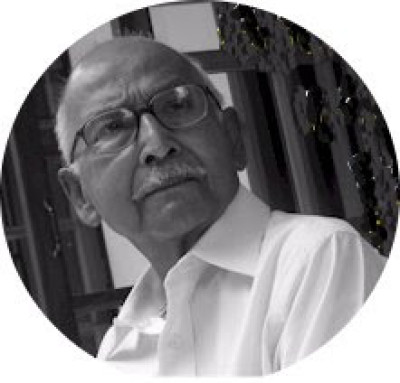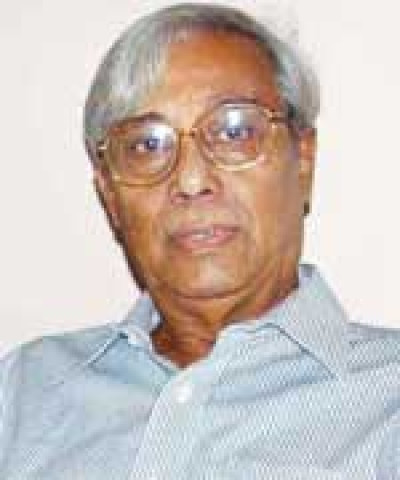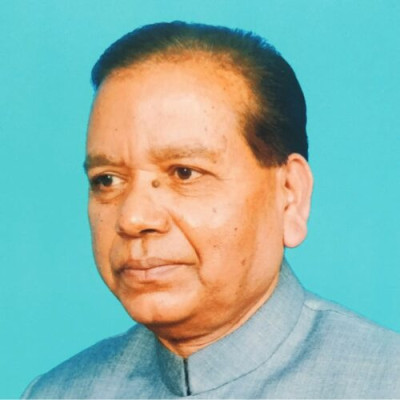
Life & Legacy
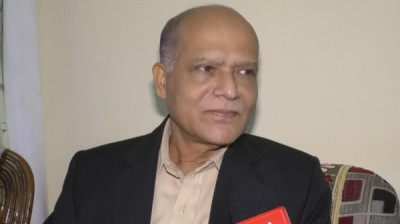
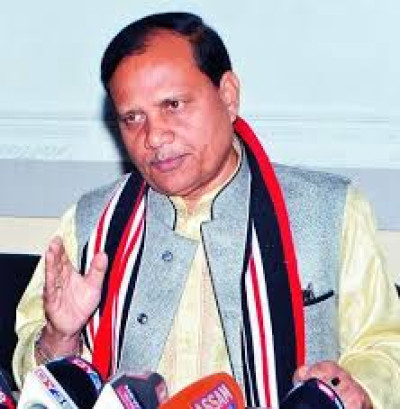
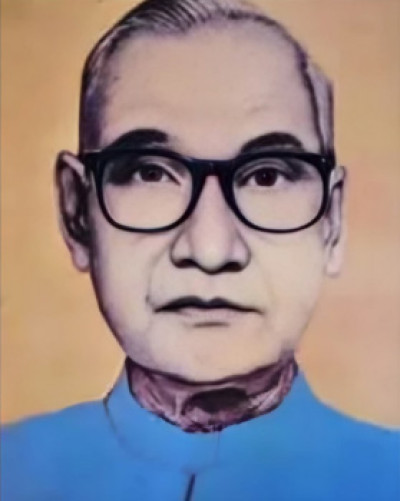
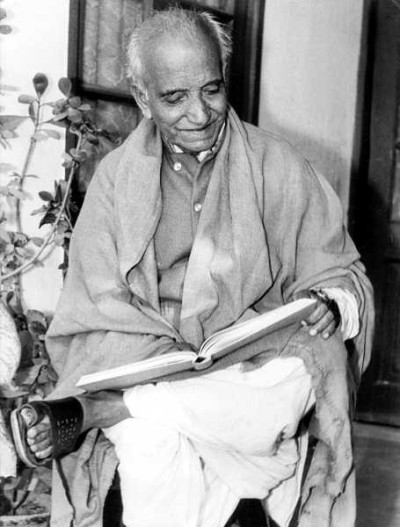
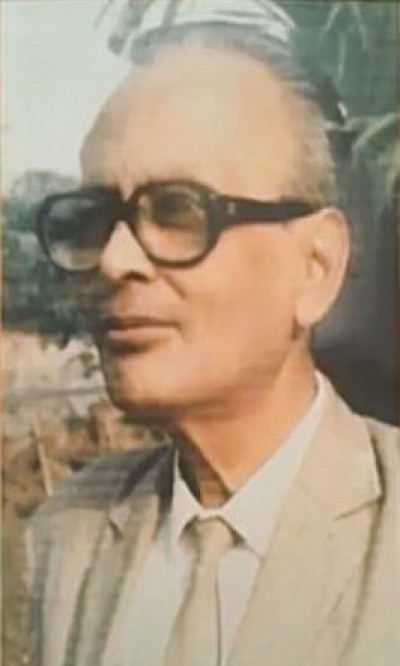
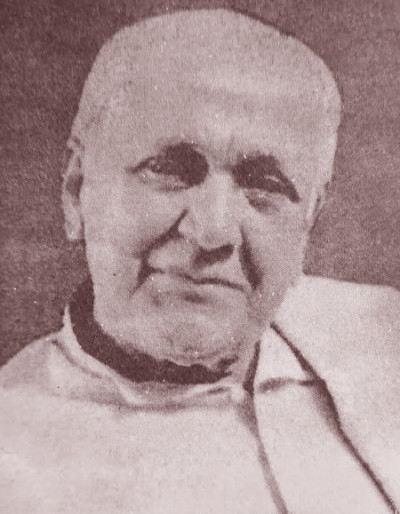
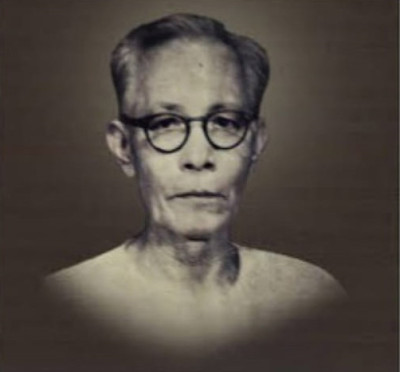
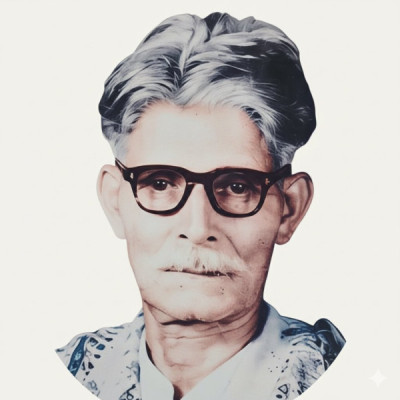
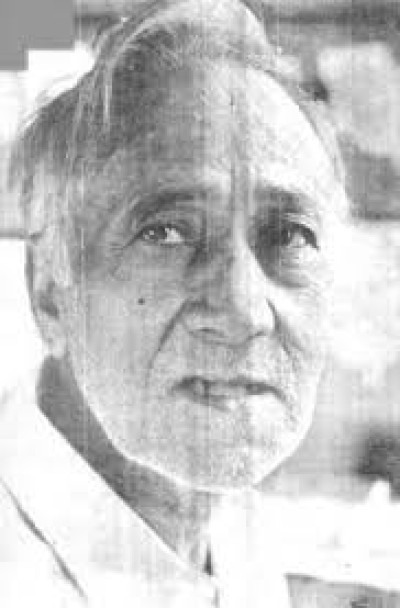
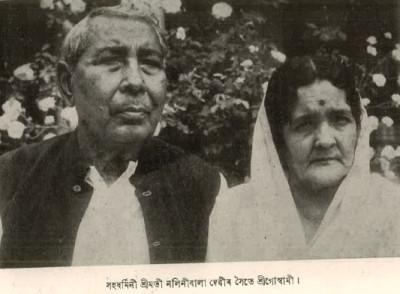
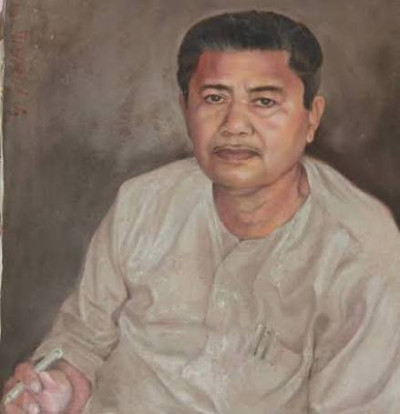
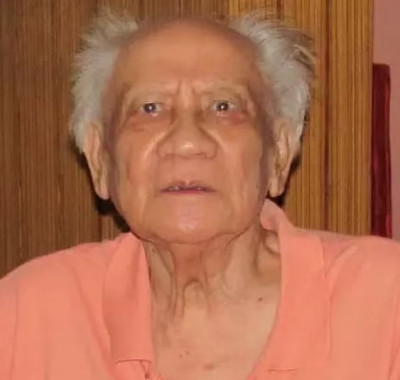
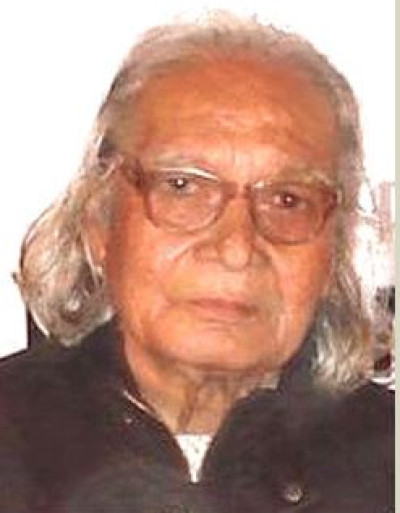
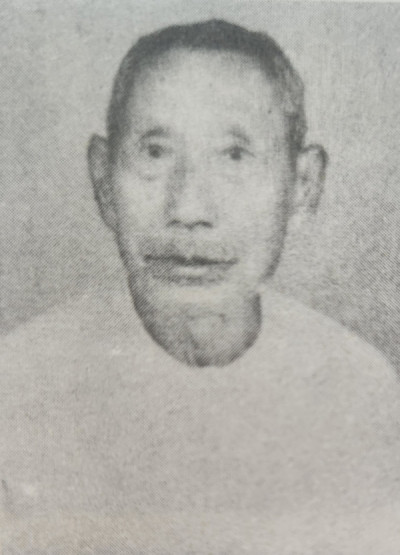
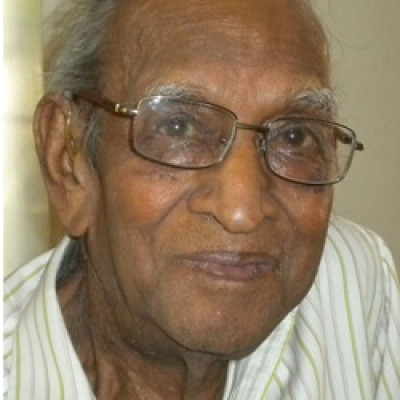
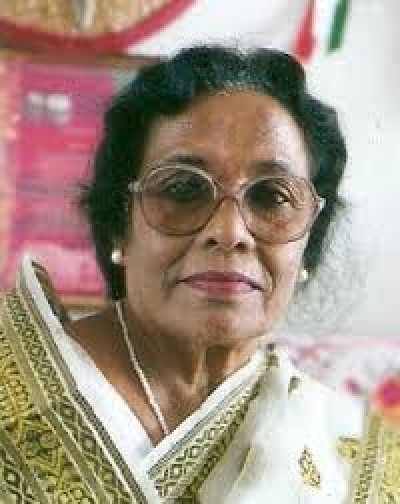
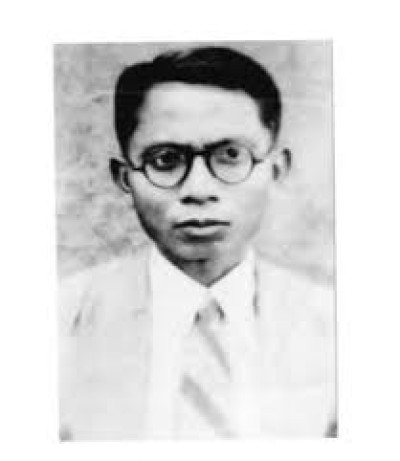
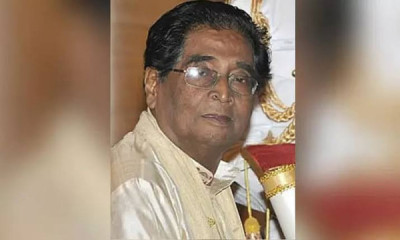
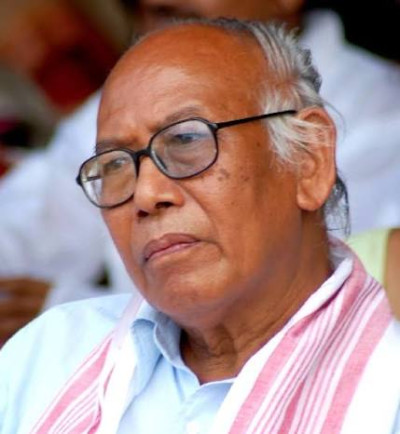
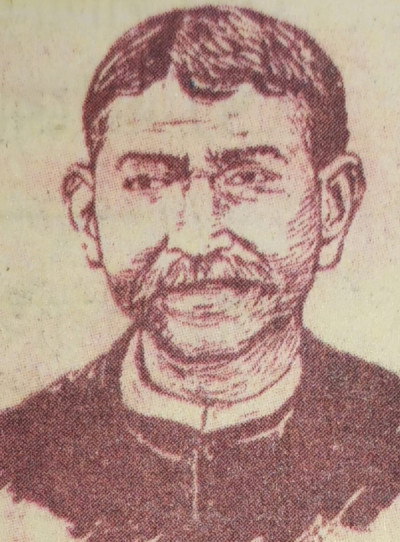
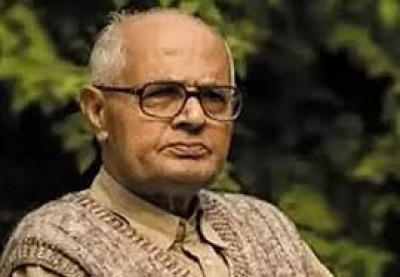
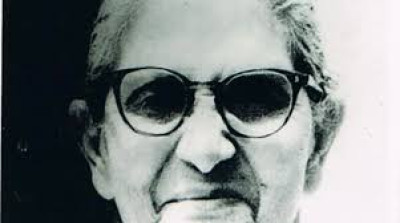
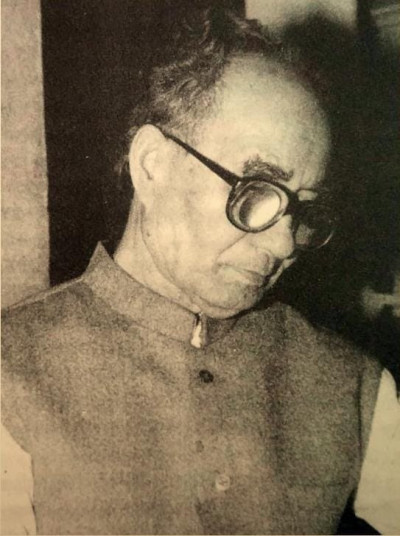
Chandra Prasad Saikia was born on 16 April 1927 in Assam. He spent his childhood in an environment that encouraged learning, literature and social awareness. From an early age, he developed a deep interest in reading and writing. His educational journey strengthened his knowledge of Assamese language, literature and social sciences, which later became the foundation of his successful literary career.
After completing his education, Chandra Prasad Saikia entered government service and worked in several important administrative positions. Despite his demanding professional responsibilities, he continued to pursue literature with great dedication. His ability to balance public service and creative writing earned him admiration from both literary and administrative circles.
As a writer, Chandra Prasad Saikia explored a wide range of subjects including human relationships, morality, rural life, social change, political awareness and psychological conflicts. His novels, short stories and essays were appreciated for their simple yet powerful language, realistic characters and meaningful storytelling. Rather than relying on dramatic plots, he focused on portraying ordinary people and the challenges they faced in everyday life. His literary style combined emotional sensitivity with intellectual depth, making his works relevant across generations.
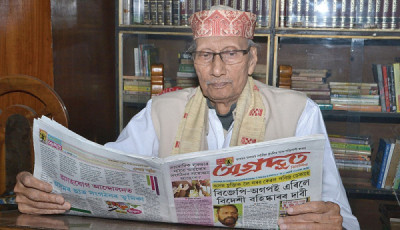
Apart from creative writing, Chandra Prasad Saikia made an outstanding contribution to Assamese journalism. He served as the editor of the prestigious Assamese literary magazine "Prantik", where he encouraged emerging writers and introduced quality literary discussions. Under his editorial guidance, the magazine became one of the most respected literary publications in Assam and helped shape modern Assamese literature. His editorials and essays reflected balanced thinking, cultural awareness and concern for society.
Chandra Prasad Saikia also played an active role in several literary and cultural organizations. He served as the President of the Asam Sahitya Sabha, one of the oldest and most respected literary organizations in the state. During his tenure, he worked to promote Assamese language, preserve literary traditions and encourage young writers. His leadership strengthened the organization's contribution to literature and culture.
Throughout his career, he authored numerous novels, short story collections, essays and literary articles that continue to be studied by readers, researchers and students. His writings often highlighted ethical values, social harmony, education and the changing realities of Assamese society. Many of his works remain important references in Assamese literature because of their timeless themes and literary excellence.
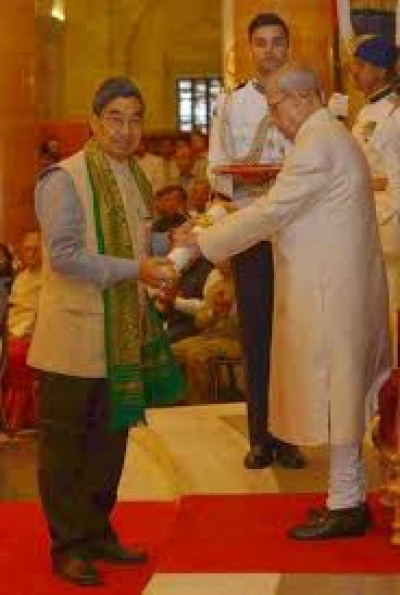
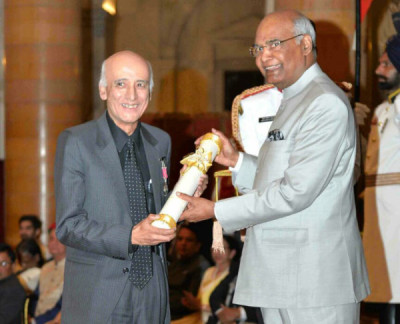
For his immense contribution to literature, Chandra Prasad Saikia received several prestigious honours. He was awarded the Sahitya Akademi Award, one of India's highest literary recognitions, for his outstanding contribution to Assamese literature. He also received honours from the Government of Assam, literary institutions and various cultural organizations for his lifelong dedication to the development of Assamese language and literature.
Major Achievements
- Renowned Assamese novelist, short story writer and essayist.
- Respected journalist and editor of the literary magazine Prantik.
- Served as President of the Asam Sahitya Sabha.
- Recipient of the Sahitya Akademi Award.
- Contributed significantly to the growth of modern Assamese literature.
- Promoted young writers through literary editing and cultural leadership.
- Held important administrative positions while continuing his literary career.
- Left a lasting impact on Assamese journalism and literary criticism.
Awards and Recognition
- Sahitya Akademi Award.
- Recognition from the Asam Sahitya Sabha.
- Honours from the Government of Assam.
- Various literary awards and lifetime achievement recognitions from cultural organizations.
Books and Notable Literary Works
Chandra Prasad Saikia wrote numerous novels, short stories, essays and literary articles throughout his career. His published works include novels, essay collections, short story anthologies and editorial writings that significantly enriched Assamese literature. His writings continue to be included in literary studies and remain widely appreciated by readers. As his complete bibliography spans many decades and editions, no universally accepted official list of all published books exists.
Novels
- Megh Malhar
- Brittar Bahire
- Mayamrig
- Uttaran
- Antaranga
- Ashanta Prahar
- Agnisnaan
- Anya Ek Prithibi
Short Story Collections
- Mayamoy
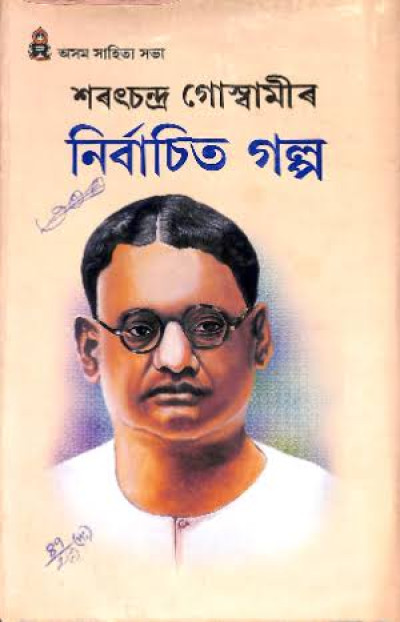
- Nirbachita Galpa (Selected Stories)
- Chandra Prasad Saikiar Galpa Samagra (Collected Short Stories)
Essays and Literary Criticism
- Various essays on Assamese literature, society and culture
- Literary criticism and editorial articles published in Prantik
- Essays on language, education and contemporary social issues
Editorial Contributions
- Editor of Prantik, one of Assam's leading literary magazines
- Numerous editorials promoting Assamese literature and young writers
Other Writings
- Literary articles
- Cultural commentaries
- Social and political essays
- Speeches and addresses delivered as President of Asam Sahitya Sabha
Death
Chandra Prasad Saikia passed away on 7 August 2006. His death marked the end of an extraordinary literary journey, but his writings continue to inspire readers, researchers and aspiring authors. His contribution to Assamese literature and journalism remains an important part of Assam's cultural heritage.
Today, Chandra Prasad Saikia is remembered as one of Assam's finest literary figures whose works continue to influence modern Assamese literature. His dedication to language, journalism, education and cultural development has earned him a permanent place among the greatest writers of Assam.
FAQs
1. Who was Chandra Prasad Saikia?
Chandra Prasad Saikia was a renowned Assamese writer, novelist, journalist, editor and former President of the Asam Sahitya Sabha who made significant contributions to Assamese literature.
2. Why is Chandra Prasad Saikia famous?
He is famous for his novels, essays, literary criticism, journalism and his leadership in promoting Assamese language and literature.
3. When was Chandra Prasad Saikia born?
He was born on 16 April 1927 in Assam.
4. When did Chandra Prasad Saikia die?
He passed away on 7 August 2006.
5. Which award did Chandra Prasad Saikia receive?
He received the prestigious Sahitya Akademi Award along with several literary honours for his contribution to Assamese literature.
6. What are Chandra Prasad Saikia's major contributions?
His major contributions include writing novels, essays, editing Prantik magazine, promoting Assamese literature and serving as President of the Asam Sahitya Sabha.
7. Was Chandra Prasad Saikia a journalist?
Yes. He was a respected journalist and editor who greatly influenced modern Assamese literary journalism.
8. Which magazine was edited by Chandra Prasad Saikia?
He served as the editor of the renowned Assamese literary magazine Prantik.
9. Did Chandra Prasad Saikia write books?
Yes. He authored numerous novels, essays, short stories and literary works that remain important in Assamese literature.
10. Why is Chandra Prasad Saikia important in Assamese literature?
He is regarded as one of the leading literary figures of Assam because of his outstanding writings, editorial work, literary leadership and lasting influence on Assamese language and culture.