Life & Legacy
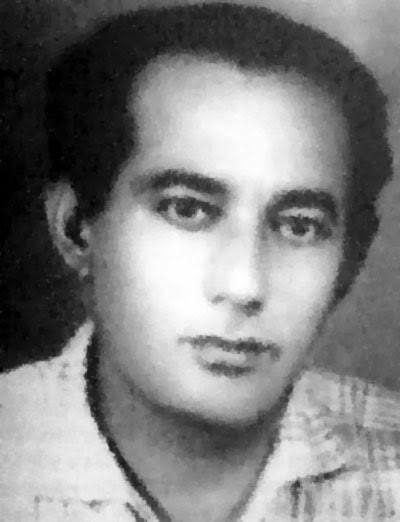
Born on 27 February 1925 in Bihdia village of Kamrup district, Assam, Brojen Barua grew up in a culturally rich and intellectually vibrant family. His father Chandranath Barua served as a Sub-Divisional Officer, and the family later settled in the historic Latasil area of Guwahati. The Barua household was deeply involved in music, literature, and performing arts, and this creative atmosphere strongly influenced Brojen from an early age.
Early Life and Education
Brojen Barua received his early education in Guwahati before enrolling at City College in Kolkata. However, due to the political unrest and communal disturbances of the 1940s, he returned to Assam and continued his studies at Cotton College. Though he pursued a science degree, his true passion lay in music and theatre.
During his youth, he actively participated in cultural events, composing melodies and organizing performances. He later became associated with the Indian People's Theatre Association, where he developed his skills as a stage director, actor, and singer. These early experiences in theatre laid the groundwork for his cinematic journey.
Musical Beginnings and Radio Career
Before entering films, Brojen Barua built a reputation as a talented music composer and orchestra conductor. He created thematic orchestras such as Six Seasons and War and Peace, which were innovative for their time in Assam. When All India Radio Guwahati began operations, he joined as a singer and composer, contributing significantly to Assamese music programming.
His early exposure to radio helped him understand sound design, musical structure, and audience preferences, skills that later proved crucial in filmmaking.
Entry into Assamese Cinema
Brojen Barua entered Assamese cinema in the mid-1950s. His early work included composing music and acting in films directed by his brother Nip Barua. However, his ambition extended beyond music and acting. He wanted to build a self-sufficient Assamese film industry that relied on local talent rather than external production systems.
In 1963, he made his directorial debut with Ito Sito Bohuto, widely regarded as the first genuine Assamese comedy film. Inspired partly by international comedic styles yet rooted in Assamese culture, the film showcased his versatility. He directed, wrote, composed music, and acted in the film, proving his extraordinary creative range.
Dr. Bezbarua and Commercial Revolution
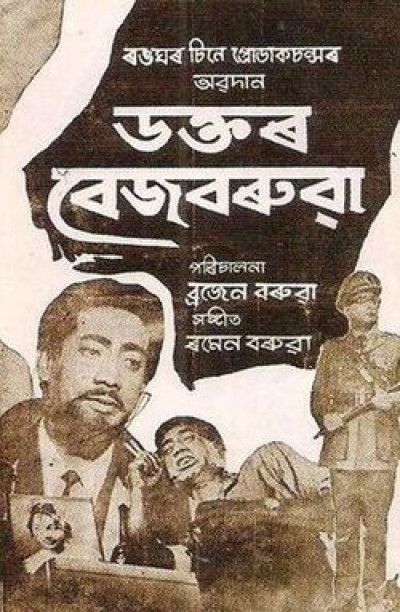
The turning point in Brojen Barua's career came in 1969 with Dr. Bezbarua. This thriller marked a revolutionary moment in Assamese cinema. It was among the first films to be extensively shot within Assam using local technicians rather than depending on studios outside the state.
Dr. Bezbarua combined suspense, music, and engaging storytelling, attracting a wide audience. The film became a massive commercial success and won the National Film Award for Best Feature Film in Assamese. It demonstrated that Assamese cinema could produce technically strong and commercially viable films while preserving regional identity.
The success of Dr. Bezbarua encouraged local producers and filmmakers to invest in Assamese cinema, helping the industry gain confidence and structure.
Other Directed Films
Brojen Barua directed five films during his career:
-
Ito Sito Bohuto (1963)
-
Dr. Bezbarua (1969)
-
Mukuta (1970)
-
Lalita (1972)
-
Opaja Sonor Mati (1972, completed after his death)
Each film reflected his creative vision and commitment to Assamese storytelling. Mukuta and Lalita explored emotional and social themes, while Opaja Sonor Mati carried rural and cultural elements deeply rooted in Assamese life.
Apart from directing, he composed music for several films including Mak Aru Morom, Bhakta Prahlad, Amar Ghar, Lachit Borphukan, and Norakasur. His musical style blended Assamese folk traditions with modern orchestration, making his compositions memorable and culturally significant.
Acting and Screen Presence
Though primarily known as a director and composer, Brojen Barua also appeared as an actor in several of his films. His on-screen performances were characterized by natural expression and theatrical depth. Unlike conventional commercial actors, he approached roles with a director's understanding of narrative and character development.
His performance in Dr. Bezbarua added credibility to the thriller genre in Assamese cinema.
Contribution to Assamese Film Industry
Brojen Barua played a key role in making Assamese cinema independent from external production hubs. During the 1960s, most regional films depended heavily on Kolkata studios for shooting and technical support. Brojen challenged this model by encouraging local production systems.
He believed that Assamese cinema should reflect local culture, landscapes, and identity. His approach created opportunities for Assamese actors, musicians, and technicians. He also introduced and nurtured new talents, including members of his own family who later became important figures in Assamese music and film.
The Barua family eventually became one of the most influential artistic families in Assam, contributing to nearly 30 Assamese films collectively.
Awards and Recognition
Brojen Barua received national recognition for Dr. Bezbarua, which won the National Film Award for Best Feature Film in Assamese. The film's commercial and critical success solidified his position as a pioneer of Assamese commercial cinema.
Though his career was relatively short, his impact was profound. Today, he is remembered as one of the architects of modern Assamese cinema.
Personal Life and Artistic Environment
Brojen Barua grew up in a family deeply connected with art and culture. The Latasil house in Guwahati became a hub for musicians, writers, and filmmakers. Music rehearsals, script discussions, and cultural gatherings were common in the household.
His brothers Nip Barua and Ramen Barua also became prominent figures in Assamese cinema and music. Together, the Barua family shaped an entire era of Assamese artistic expression.
Untimely Death and Lasting Legacy
Brojen Barua passed away on 28 June 1972 at the age of 47. His sudden demise was a significant loss to Assamese cinema, as he was at the peak of his creative career.
Despite directing only five films, his influence remains unmatched. Dr. Bezbarua continues to be regarded as a milestone that transformed Assamese film from experimental beginnings into a commercially sustainable industry.
His legacy lies not only in his films but also in his vision for a self-reliant Assamese cinema rooted in local culture and storytelling excellence. Today, he is celebrated as a pioneer, innovator, and cultural icon of Assam.
Brojen Barua's contribution continues to inspire filmmakers, musicians, and artists across generations, ensuring that his name remains permanently etched in the history of Assamese cinema.
FAQs on Brojen Barua
1. Who was Brojen Barua?
Brojen Barua was a pioneering Assamese filmmaker, director, music composer, and actor.
2. When was Brojen Barua born?
He was born on 27 February 1925 in Kamrup district, Assam.
3. Which is Brojen Barua's most famous film?
Dr. Bezbarua is his most famous and award-winning film.
4. Did Brojen Barua win a National Award?
Yes, Dr. Bezbarua won the National Film Award for Best Feature Film in Assamese.
5. How many films did Brojen Barua direct?
He directed five Assamese films during his career.
6. Was Brojen Barua also a music composer?
Yes, he composed music for several Assamese films.
7. What was Ito Sito Bohuto?
Ito Sito Bohuto was Assam's first genuine comedy film directed by Brojen Barua.
8. How did Brojen Barua contribute to Assamese cinema?
He helped establish a self-reliant Assamese film industry using local talent and production.
9. When did Brojen Barua pass away?
He passed away on 28 June 1972.
10. Why is Brojen Barua important in Assam's history?
He is regarded as one of the architects of modern Assamese commercial cinema.