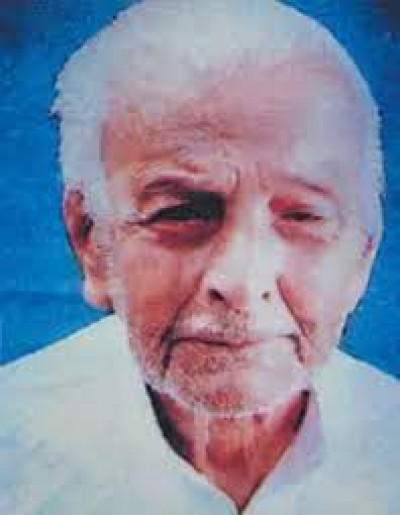
Life & Legacy
Early Life
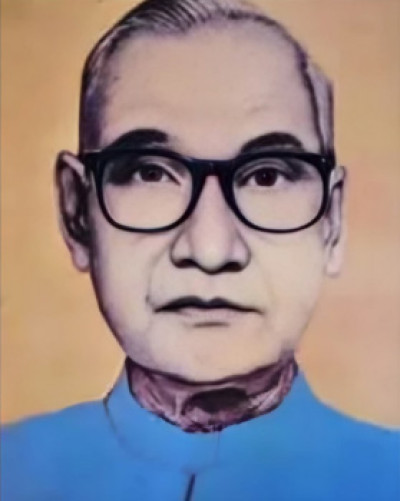
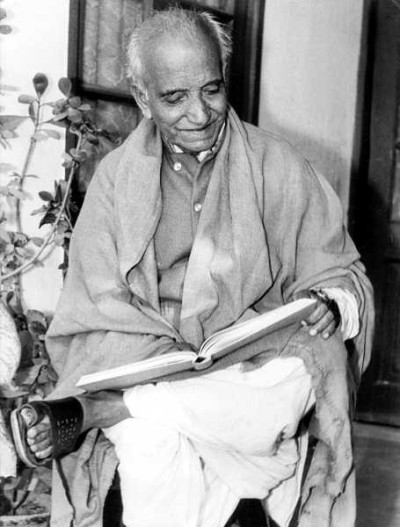
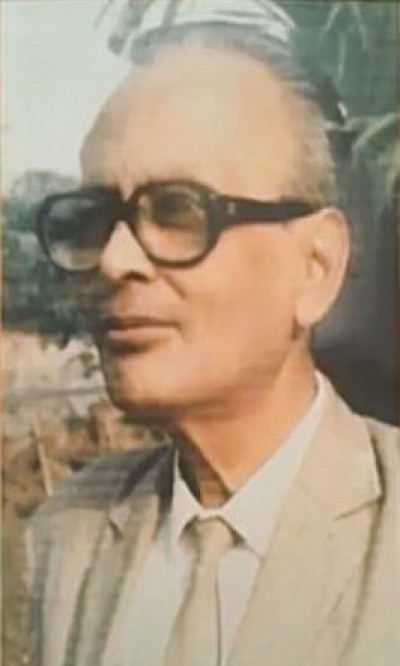
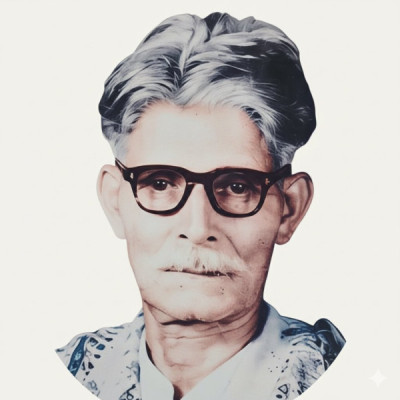
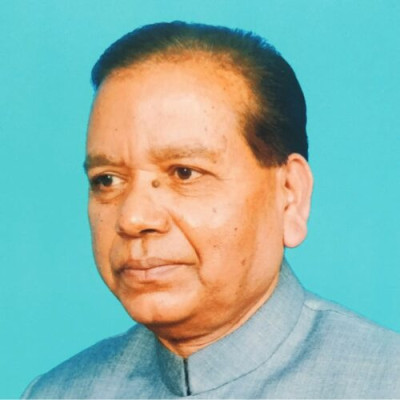
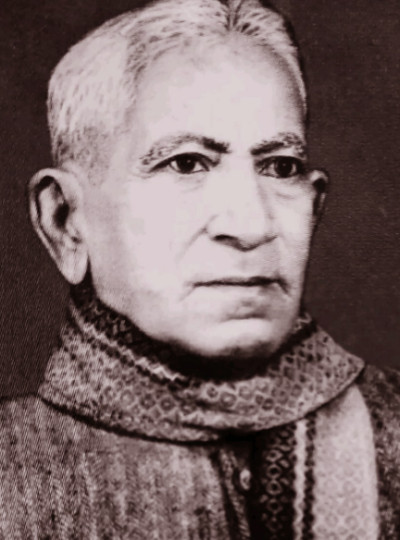
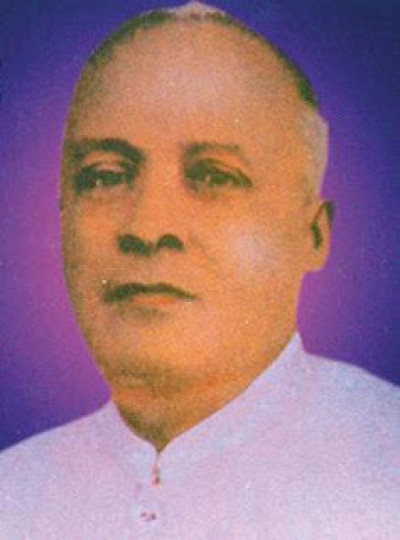
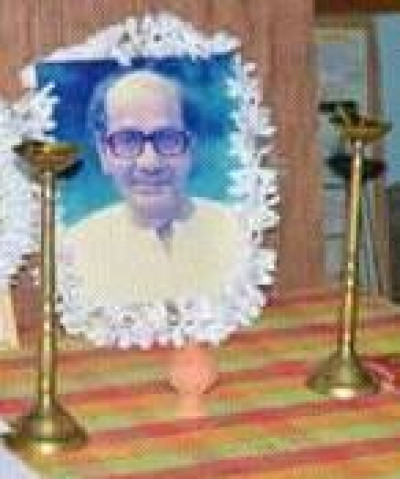
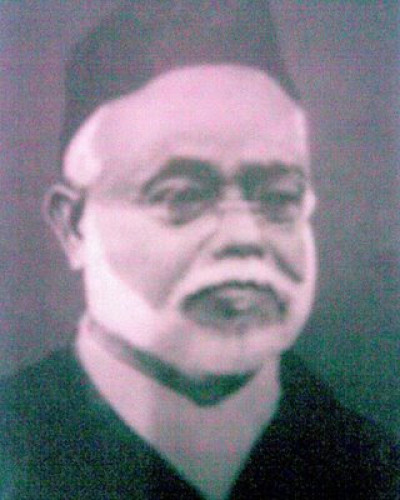
Binanda Chandra Barua was born in 1901 at Teok in present-day Jorhat district of Assam. He grew up in a culturally rich environment where Assamese traditions, folklore, and history deeply influenced his thinking. From an early age, he developed a passion for literature and poetry, eventually becoming one of the most influential literary voices of Assam.
Education
Although detailed records of his formal education are limited, Binanda Chandra Barua developed an exceptional command of Assamese language and literature through continuous learning and self-study. His interest in history, culture, and classical literature played an important role in shaping his literary career.
Literary Career
Binanda Chandra Barua began writing during a period when Assamese literature was experiencing remarkable growth. His poems reflected patriotism, historical awareness, and the beauty of Assam's cultural heritage. His distinctive style of using rhythm and sound earned him the title "Dhwani Kobi" or "Poet of Echoes."
He adopted the pen name Kerpai Sarma and produced several outstanding literary works that continue to be studied and appreciated today. His famous historical poem Gargaon beautifully portrays the glory of the Ahom Kingdom and remains one of the finest examples of historical poetry in Assamese literature.
Apart from poetry, he made valuable contributions to Assamese drama. His plays combined history, culture, and social values while encouraging readers and audiences to appreciate Assam's rich heritage. His writings inspired national pride during the pre-independence period and promoted awareness of Assamese identity.
Major Books and Literary Works
Some of Binanda Chandra Barua's most notable publications include:
- Gargaon
- Sankhadhwani
- Jaidhwani
- Pratidhwani
- Saraighat
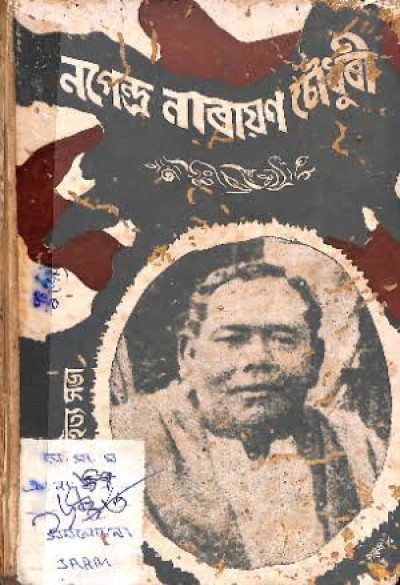
- Biography of Maharaja Naranarayana
These works showcase his deep understanding of Assamese history, culture, patriotism, and literary excellence.
Leadership and Contribution
Binanda Chandra Barua actively participated in the development of Assamese literature beyond writing. He served as the President of Asam Sahitya Sabha in 1966 and contributed significantly to promoting Assamese language, literature, and culture through the organization's various activities.
His literary leadership helped encourage young writers and strengthened the position of Assamese literature at both regional and national levels.
Awards and Recognition
Throughout his life, Binanda Chandra Barua received immense respect from the literary community.
Some of his major recognitions include:
- Popularly known as "Dhwani Kobi"
- Pen name: Kerpai Sarma
- President of Asam Sahitya Sabha (1966)
- Conferred the prestigious title "Sahityacharya" by Asam Sahitya Sabha in 1989
- Recognized as one of the pioneers of modern Assamese historical poetry
- Honoured for his lifelong contribution to Assamese literature and drama
Family
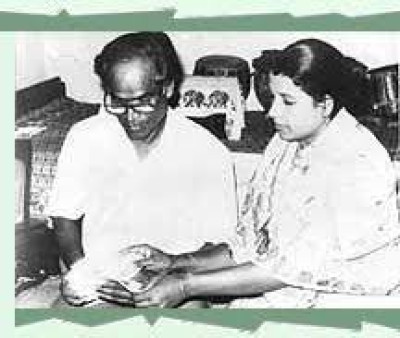
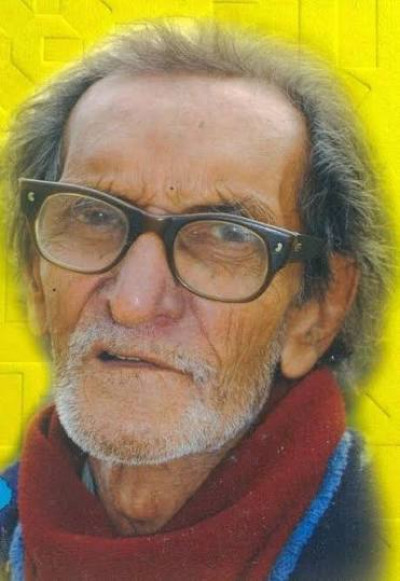
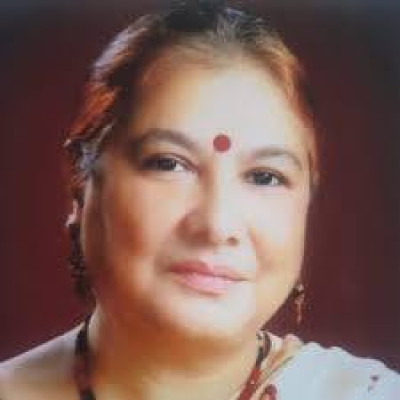
Binanda Chandra Barua belonged to a family deeply connected with the arts. His son, Neel Pawan Baruah, became one of Assam's most celebrated painters and artists. His daughter-in-law was the legendary Assamese playback singer Dipali Barthakur, popularly known as the "Nightingale of Assam."
Death
Binanda Chandra Barua passed away in 1994 after an extraordinary literary journey spanning several decades. His death marked the end of an era, but his poems, books, and dramatic works continue to inspire readers, researchers, and literature lovers across Assam.
Legacy
Binanda Chandra Barua remains one of the greatest literary figures in Assamese history. His poetry revived interest in Assam's glorious past, while his dramas and literary writings enriched Assamese culture for future generations. His historical imagination, patriotic spirit, and poetic excellence continue to influence students, writers, and scholars. Even today, his works remain an important part of Assamese literary studies, ensuring that his contribution to the language and culture of Assam will never be forgotten.
FAQs on Binanda Chandra Barua