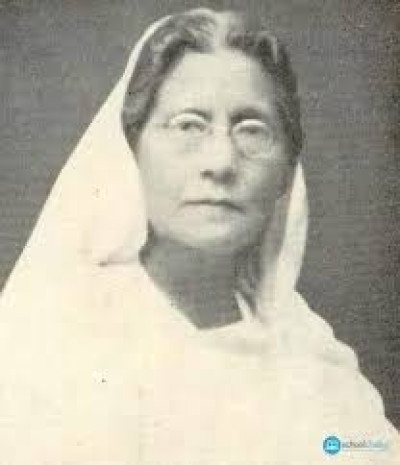
Life & Legacy
Early Life and Family
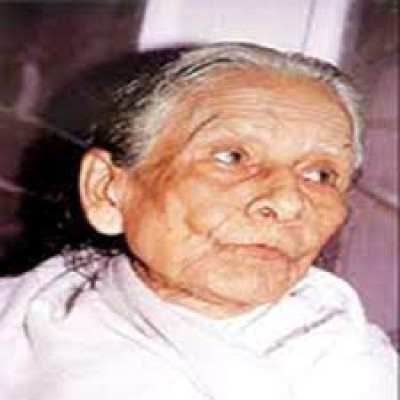
Bhogeswari Phukanani was born in 1885 during the celebration of Magh Bihu in Kahuatoli under Hatichong Mouza of present-day Nagaon district, Assam. She was the daughter of Atmaram Budhagohain and Nileshwari Budhagohain. Since she was born during Bhogali Bihu, she was named Bhogeswari. She later married Bhogeswar Phukan of Barhampur and became popularly known as Bhogeswari Phukanani. The couple had eight children, comprising six sons and two daughters. Despite managing a large family, she nurtured strong patriotic values and encouraged her children to actively participate in India's struggle for independence.
Education
There are no authenticated historical records describing Bhogeswari Phukanani's formal education. However, she possessed remarkable leadership qualities, organizational skills and a deep understanding of Gandhian ideals, which enabled her to lead people during the freedom movement.
Role in the Indian Freedom Movement
Bhogeswari Phukanani became actively involved in the Indian National Congress and participated in various civil disobedience campaigns against British rule. During the Civil Disobedience Movement in 1930, she joined peaceful demonstrations and picketing activities, resulting in her arrest by the British authorities. She also helped establish and manage Congress offices in Barhampur, Babajia and Barpujia, encouraging villagers to support the national movement. Her dedication inspired not only local women but also entire communities to participate in the freedom struggle.
Martyrdom During the Quit India Movement
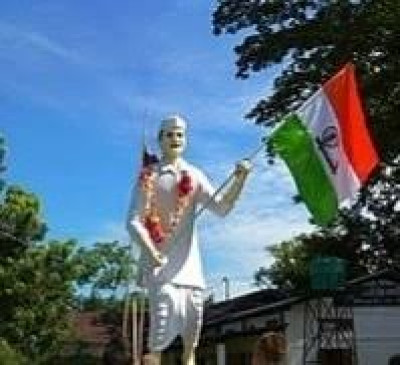
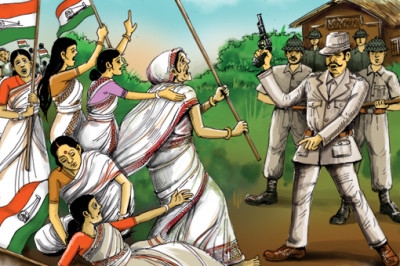
The defining moment of Bhogeswari Phukanani's life came during the Quit India Movement in September 1942. Following the closure of Congress offices by the British administration, local residents organized peaceful protests demanding their reopening. Bhogeswari joined the procession carrying the Indian National Flag alongside fellow freedom fighters and members of her family.
When British officers attempted to seize and dishonor the national flag, Bhogeswari fearlessly resisted. According to widely accepted historical accounts, she struck a British officer with the flagpole while protecting the tricolour. The officer immediately opened fire, seriously injuring her. She succumbed to her injuries on 20 September 1942, becoming one of Assam's most revered women martyrs of India's independence movement. Her sacrifice demonstrated that patriotism and courage could overcome fear even in the face of armed colonial oppression.
Major Contributions and Achievements
- Active participant in the Indian Freedom Movement.
- Played an important role in the Civil Disobedience Movement in Assam.
- Organized Congress activities in Barhampur and nearby villages.
- Inspired women and rural communities to join the freedom struggle.
- Led peaceful protests during the Quit India Movement.
- Fearlessly defended the Indian National Flag against British officers.
- Became one of the most respected women martyrs of Assam.
- Her sacrifice strengthened the independence movement in the region.
Awards and Recognition
Bhogeswari Phukanani did not receive any awards during her lifetime because she sacrificed her life before India attained independence. However, independent India has honored her memory in several ways:
- Bhogeswari Phukanani Civil Hospital, Nagaon, is named in her honor.
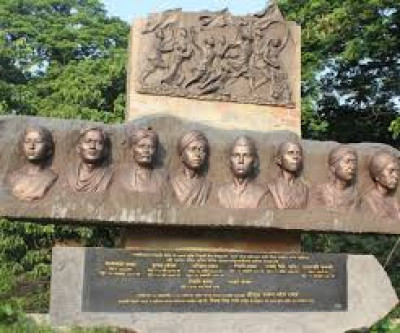
- Bhogeswari Phukanani Indoor Stadium, Guwahati, commemorates her contribution.
- Schools, institutions and roads across Assam bear her name.
- She is remembered annually during Independence Day and Quit India Movement commemorations.
- Her life is included in educational materials highlighting Assam's contribution to India's freedom struggle.
Death
Bhogeswari Phukanani was shot by British forces during a peaceful protest at Barhampur on 18 September 1942. After battling her injuries for two days, she passed away on 20 September 1942. Her martyrdom remains one of the most inspiring chapters in Assam's participation in India's independence movement, and she is remembered as a symbol of fearless resistance and unwavering patriotism.
Legacy
Bhogeswari Phukanani's life represents extraordinary courage, leadership and devotion to the nation. She proved that ordinary citizens, especially women from rural India, played a vital role in achieving India's independence. Her sacrifice continues to inspire people across Assam and the country to uphold the ideals of freedom, unity, justice and national pride. Today, she remains one of the greatest women freedom fighters in the history of Assam.
FAQs about Bhogeswari Phukanani