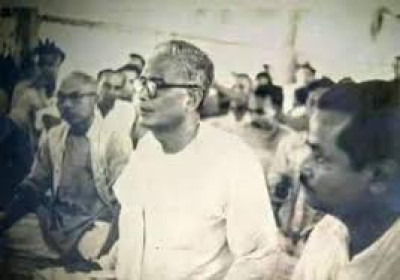
Life & Legacy
Early Life and Education
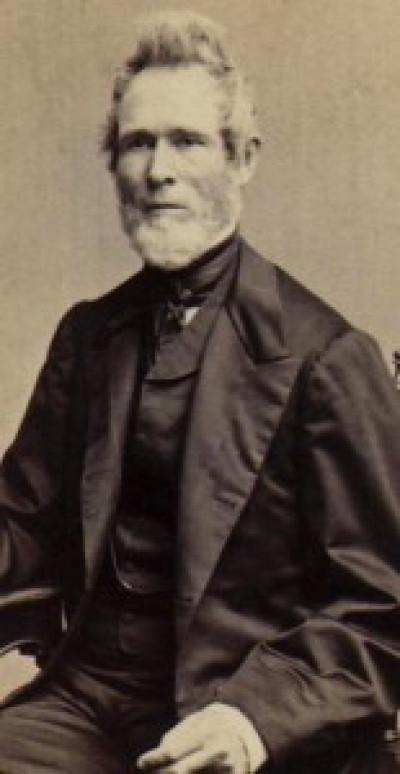
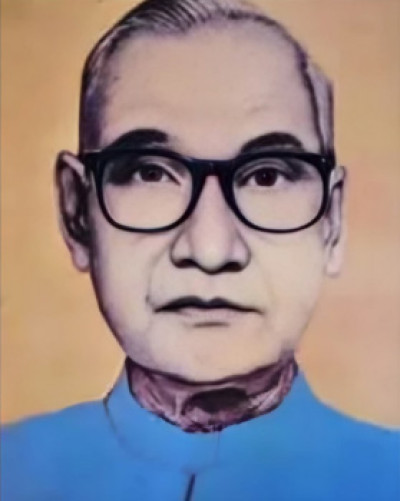
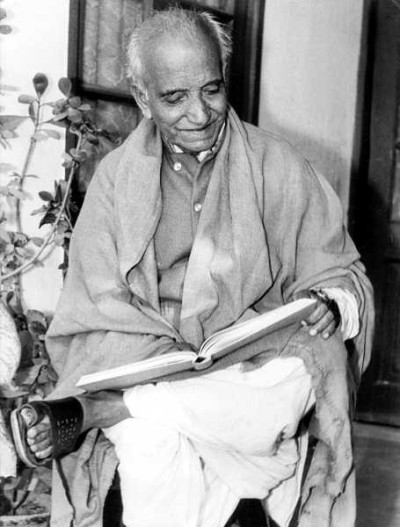
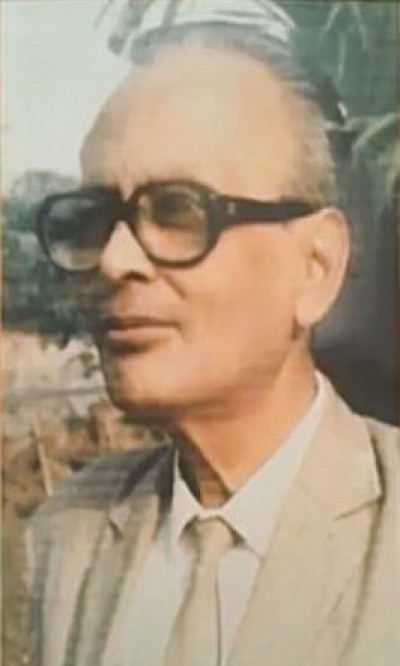
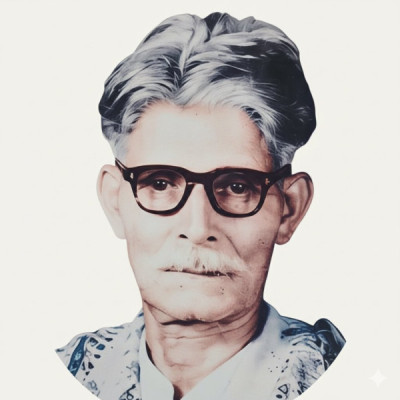
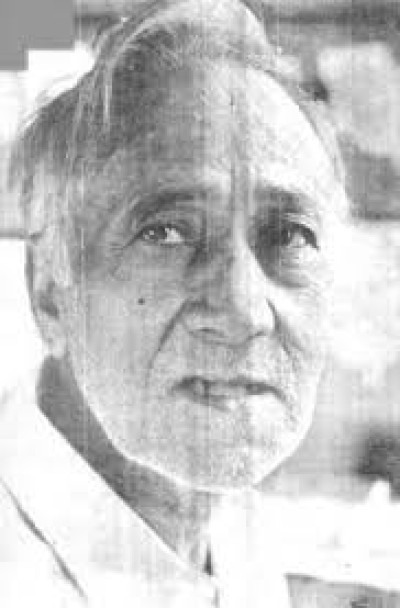
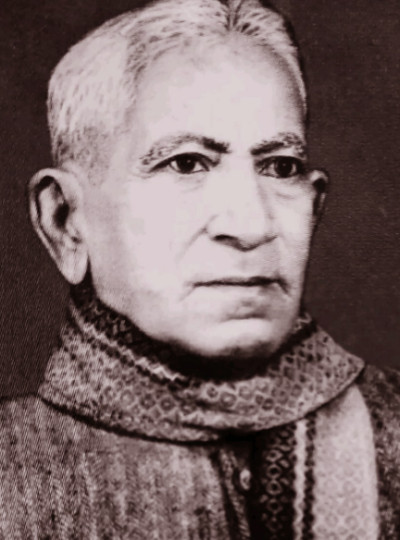
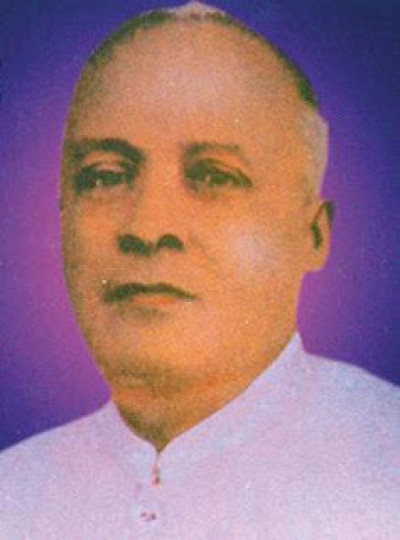
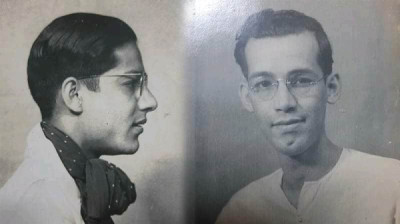
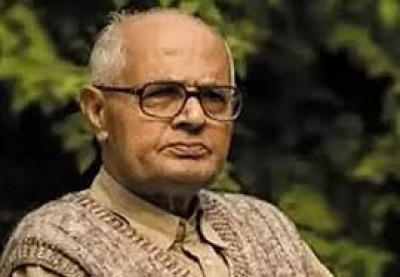
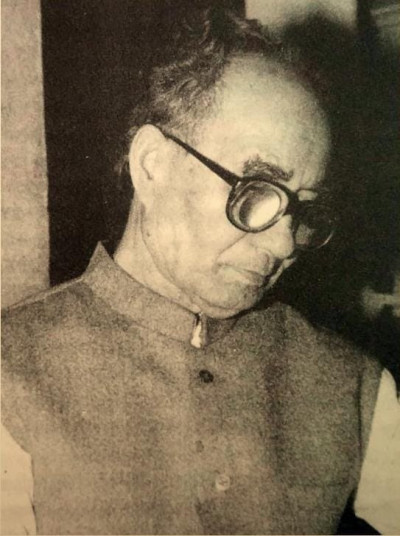
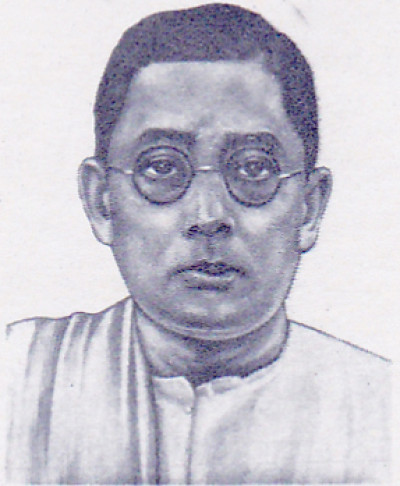
Atul Chandra Barua was born on 29 May 1916 at Maroigaon, also known as Dubahati, in the Darrang region of Assam. His parents were Bhogram Barua and Pramila Barua.
His academic abilities became evident from an early age. In 1924, while studying in the third standard at Maroigaon Primary School, he topped the Darrang Scholarship Examination. Later, while studying at Patharighat High School, he secured the highest position in the Assam Scholarship Examination and received the Khagendra Narayan Award.
In 1936, Barua passed the matriculation examination from Mangaldoi Government School in First Division, obtaining letter marks in two subjects. He continued his higher education at Cotton College and completed his B.A. in 1940. He subsequently studied at Calcutta University and obtained an M.A. in 1944, securing first position in the second class.
Teaching and Administrative Career
Atul Chandra Barua began his professional life in education and taught at several institutions in Assam and Shillong. Among the institutions associated with his teaching career were Sipajhar High School, Mangaldai High School, Patharighat M.E. School, Kamrup Academy High School, St. Mary's College and St. Edmund's College.
He also served in the Assam Secretariat at Shillong from 1943 to 1947. After independence, he appeared in the Assam Civil Service examination in 1949 and secured the second position, entering government service as a Sub-Deputy Collector.
His administrative career included several important responsibilities. He served as Assistant Deputy Commissioner at Rangia from 1953 to 1958. In 1958, he was appointed Personal Assistant to the Commissioner at Shillong. He later served as Sub-Divisional Officer at Tezpur from 1969 to 1971 and subsequently became Managing Director of Apex Marketing Society. He also served again as an Assistant Deputy Commissioner before retiring in 1974.
Literary Career
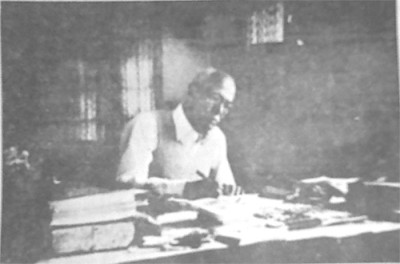
Although Atul Chandra Barua had a successful career as an administrator, literature remained an important part of his life. He wrote extensively in Assamese and contributed to literary and social discussions through books, journals and magazines.
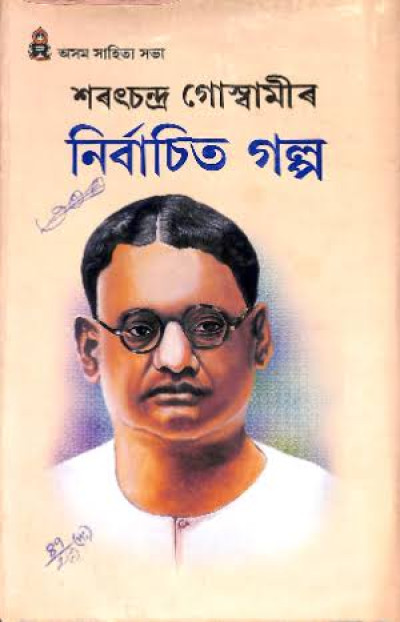
His first known book, Sarad Chandra Goswamir Samu Jiboni, was published in 1946. His literary output covered biography, essays, language, literature, culture and regional traditions. He also edited a number of literary and socially relevant journals and magazines.
Barua was particularly interested in the cultural traditions of Darrang. His studies and writings on Darrangi culture helped document and promote the region's distinctive artistic and cultural heritage. His work in this field contributed to his recognition as 'Darrang Ratna'.
Literary and Cultural Contributions
Atul Chandra Barua was associated with several literary and cultural initiatives. In 1950, he helped establish the Jironi Meli and served as its second secretary. In 1955, he founded the Guwahati Alochana Chakra, which developed into an important forum for literary discussions.
He also established the socio-literary organisation Mukul Sangha in Shillong. His activities extended beyond writing, as he worked to encourage libraries, cultural institutions and public spaces that could support education and Assamese cultural life.
He played a role in initiatives connected with the development of Guwahati, including efforts related to the establishment of Nehru Stadium. He was also associated with the establishment of Ambikagiri Sishu Udyan at Nabagiri Road in Chandmari.
46th President of Asam Sahitya Sabha
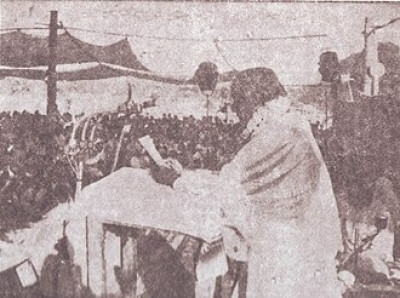
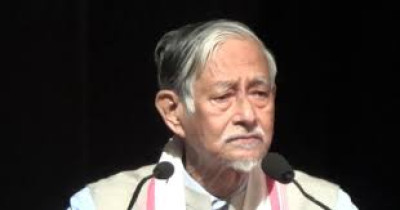
One of the most significant positions held by Atul Chandra Barua was the presidency of the Asam Sahitya Sabha. He became the 46th President of the organisation during the 1979-80 session held at Sualkuchi.
His presidency came during an important period in Assam's social and political history. He emphasized the importance of Assamese language, literature, culture and unity while maintaining connections with different sections of society.
His involvement with the Asam Sahitya Sabha reflected his longstanding commitment to Assamese literary and cultural development.
Contribution to Darrangi Culture
Atul Chandra Barua devoted considerable attention to the study and preservation of Darrangi culture. His research and writings documented aspects of the region's traditions, arts and cultural practices.
His book Ojapali: Its Different Types and Functions is among his notable works associated with cultural studies. His dedication to Darrangi heritage eventually earned him the respected title 'Darrang Ratna'.
After retirement from government service, he continued to remain active in literary and cultural activities. His later years were particularly associated with efforts to preserve and promote the cultural identity of Darrang.
Published Literary Works
Atul Chandra Barua wrote more than 30 books and contributed to a wide range of literary and cultural subjects.
Notable Books and Works:
Sarad Chandra Goswamir Samu Jiboni (1946)
Purani Puthir Sadu (1951)
Sahitya Ruprekha (1957)
Ulat-Palat (1957)
Nabi Katha (1963)
Ojapali: Its Different Types and Functions (1982)
Editorial and Language Work:
Chalanta Abhidhan
Edited several literary and socially relevant journals and magazines
Contributed to the documentation and promotion of Assamese language and literature
Literary and Cultural Organisations
Atul Chandra Barua was associated with several literary, educational and cultural initiatives.
Major organisations and initiatives associated with him include:
Mukul Sangha, Shillong
Jironi Meli
Guwahati Alochana Chakra
Literary and cultural forums promoting Assamese language
Initiatives supporting libraries and educational institutions
Activities related to the preservation of Darrangi culture
Positions Held
Major professional and public positions held by Atul Chandra Barua include:
Teacher at several educational institutions
Assam Secretariat official
Sub-Deputy Collector
Assistant Deputy Commissioner, Rangia
Personal Assistant to the Commissioner, Shillong
Sub-Divisional Officer, Tezpur
Managing Director, Apex Marketing Society
Assistant Deputy Commissioner
46th President of the Asam Sahitya Sabha
President of the 1979-80 Sualkuchi session of the Asam Sahitya Sabha
Achievements and Recognition
Atul Chandra Barua's major achievements and recognitions include:
Topped the Darrang Scholarship Examination during his school years
Received the Khagendra Narayan Award for outstanding performance in the Assam Scholarship Examination
Secured second position in the Assam Civil Service examination in 1949
Served as the 46th President of the Asam Sahitya Sabha
Presided over the Sualkuchi session of the Asam Sahitya Sabha in 1979-80
Honoured with the title 'Darrang Ratna'
Authored more than 30 books
Edited numerous literary and socially relevant publications
Contributed significantly to the preservation and promotion of Darrangi culture
Death
Atul Chandra Barua passed away on 25 December 2001. He left behind a legacy that combined literature, public administration, education and cultural service.
Legacy
Atul Chandra Barua occupies a distinctive place in the cultural history of Assam because of his contributions both as an administrator and as a literary figure. His work extended from Assamese literature and journalism to education, public service and regional cultural research.
His efforts to document Darrangi traditions and promote Assamese language and literature remain important aspects of his legacy. His role as President of the Asam Sahitya Sabha and his recognition as 'Darrang Ratna' further reflect his lasting contribution to the literary and cultural life of Assam.
FAQs about Atul Chandra Barua
Who was Atul Chandra Barua?
Atul Chandra Barua was a prominent Assamese writer, civil servant, literary personality and cultural enthusiast known for promoting Assamese literature and Darrangi culture.
When was Atul Chandra Barua born?
Atul Chandra Barua was born on 29 May 1916 at Maroigaon in the Darrang region of Assam.
When did Atul Chandra Barua die?
Atul Chandra Barua passed away on 25 December 2001.
Who were the parents of Atul Chandra Barua?
His father was Bhogram Barua and his mother was Pramila Barua.
What was Atul Chandra Barua's profession?
He was an Assamese writer and literary figure who also served as an Assam Civil Service officer and held several important administrative positions.
Which session of the Asam Sahitya Sabha did Atul Chandra Barua preside over?
He served as the 46th President of the Asam Sahitya Sabha during the 1979-80 session held at Sualkuchi.
Why was Atul Chandra Barua called Darrang Ratna?
He was honoured with the title 'Darrang Ratna' for his dedicated work in studying, preserving and promoting the cultural heritage of Darrang.
What are some famous books by Atul Chandra Barua?
His notable works include Sarad Chandra Goswamir Samu Jiboni, Purani Puthir Sadu, Sahitya Ruprekha, Ulat-Palat, Nabi Katha and Ojapali: Its Different Types and Functions.
How many books did Atul Chandra Barua write?
Atul Chandra Barua is described as having authored more than 30 books covering literature, language, biography, culture and related subjects.
What was Atul Chandra Barua's contribution to Assamese culture?
He contributed to Assamese literature and journalism and worked extensively for the preservation of Darrangi culture. He also supported educational, literary and cultural organisations and initiatives in Assam.